


JAPANESE KNIVES
Our Japanese knives are elegantly designed, meticulously crafted kitchen blades known for exceptional sharpness, precision, and distinctive blade construction. From Santoku to Gyuto, each knife is shaped for specific culinary tasks and reflects the artistry and tradition of Japanese steel craftsmanship. Built for home cooks and professional chefs alike, this collection includes authentic Japanese knives made from high carbon steel and stainless steel for a finer edge, strong edge retention, and superior cutting performance across everyday prep and demanding kitchen work.












How to maintain the quality of your knives


Japanese Kitchen Knives
Genuine handmade Japanese knives hold a special place for both professional chefs and ambitious home cooks. Names like Santoku, Shotoh, and Gyutoh evoke the rich tradition and craftsmanship behind these blades. Rooted in samurai sword-making traditions and refined over more than 800 years, Japanese knife-making remains central to skillful kitchen work. The Meiji period introduced western style influences into Japanese blade design which have remained.
MIYABI knives are traditionally hand-forged, and the creation of a high-end blade often involves a division of labor among specialized craftsmen, all under the rigorous quality standards of ZWILLING to ensure exceptional performance and durability.
Explore and purchase authentic Japanese chef knives tailored to your culinary needs at the ZWILLING Online Shop, where tradition meets precision in every blade. You’ll see how different Japanese knife types compare, what their materials and construction mean in practice, and why their razor-sharp performance and durability make them a worthwhile choice for anyone who wants cleaner cuts, better control, and a more efficient cooking experience.
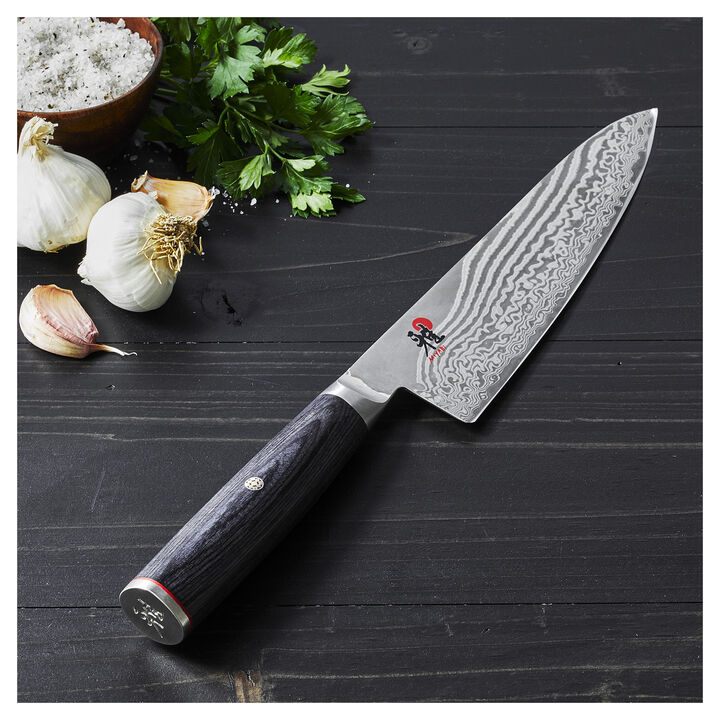
Quality Japanese style knives made of Damascus steel
Genuine handmade Japanese knives hold a special place for both professional chefs and ambitious home cooks. Names like Santoku, Shotoh, and Gyutoh evoke the rich tradition and craftsmanship behind these blades. Rooted in samurai sword-making traditions and refined over more than 800 years, Japanese knife-making remains central to skillful kitchen work. The Meiji period introduced western style influences into Japanese blade design which have remained.
MIYABI knives are traditionally hand-forged, and the creation of a high-end blade often involves a division of labor among specialized craftsmen, all under the rigorous quality standards of ZWILLING to ensure exceptional performance and durability.
Explore and purchase authentic Japanese chef knives tailored to your culinary needs at the ZWILLING Online Shop, where tradition meets precision in every blade. You’ll see how different Japanese knife types compare, what their materials and construction mean in practice, and why their razor-sharp performance and durability make them a worthwhile choice for anyone who wants cleaner cuts, better control, and a more efficient cooking experience.
Japanese variety: A chef's knife for every purpose
In the ZWILLING Online Shop, you will find a large selection of high-quality Japanese kitchen knives. Traditional Japanese kitchen knives are categorized into all-purpose blades, vegetable prep knives, fish and meat butchery tools, and precision slicers. In the following we present these knives:
Santoku knife (Japanese utility knife)
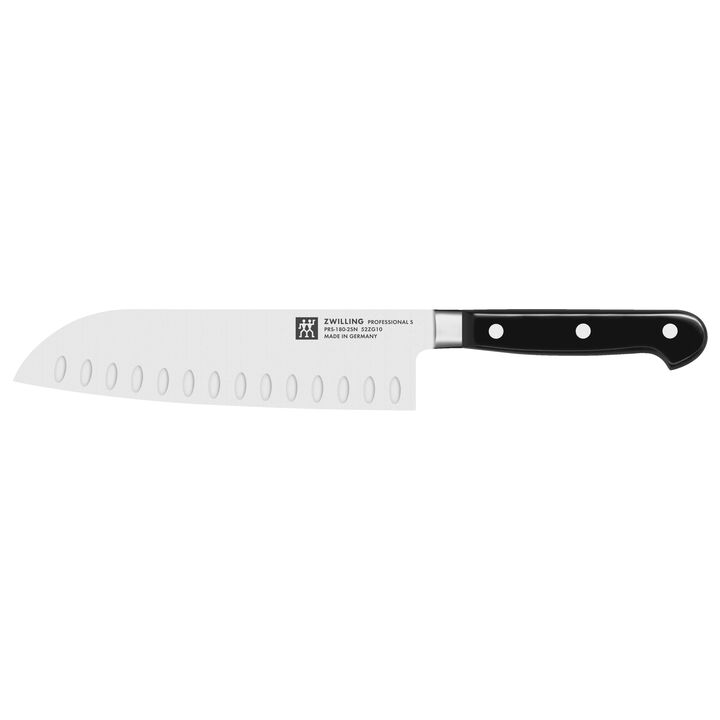
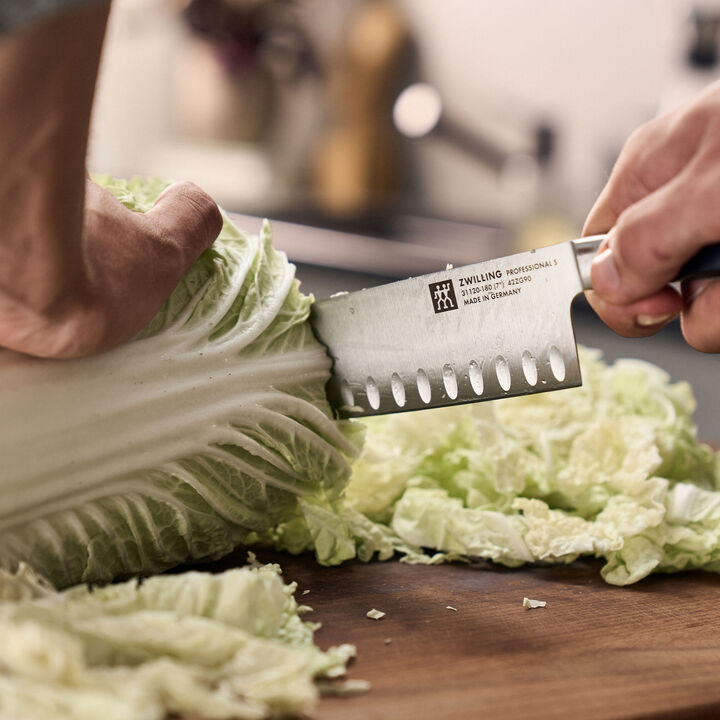
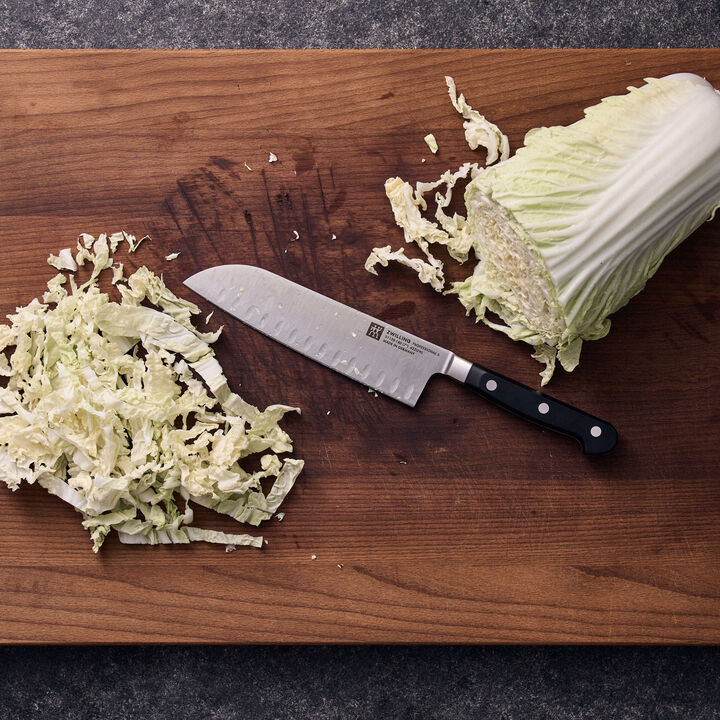
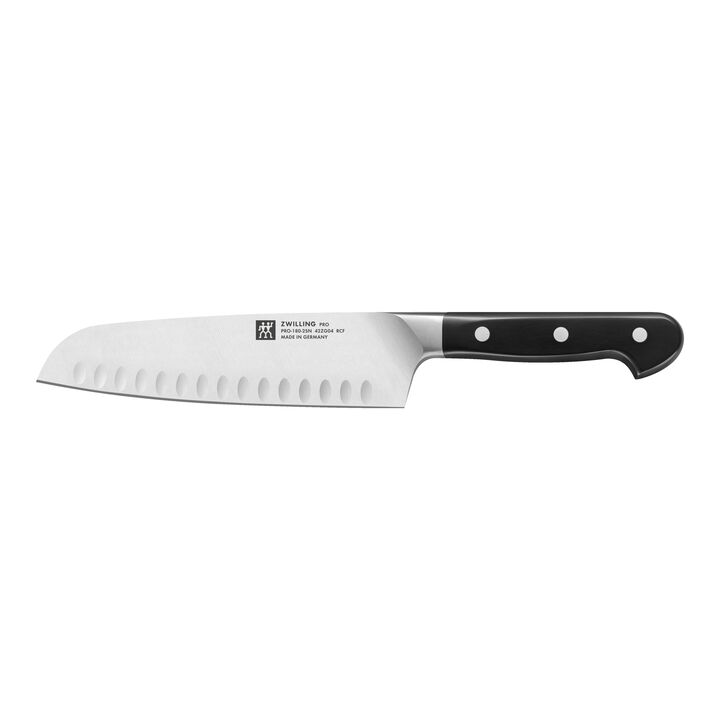
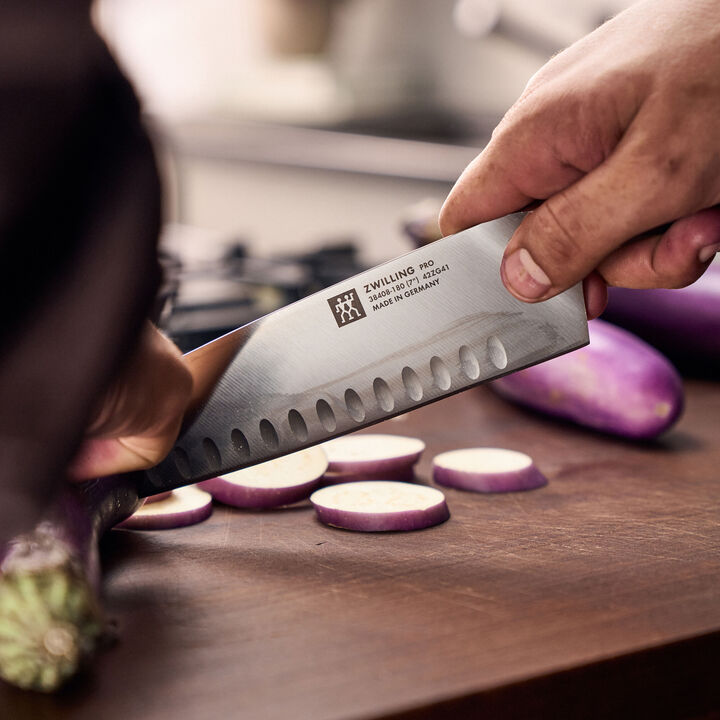
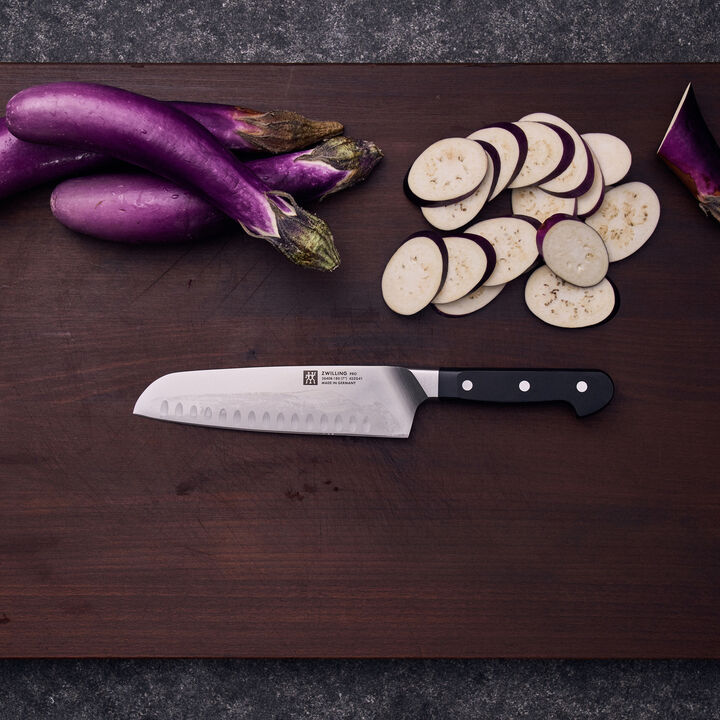
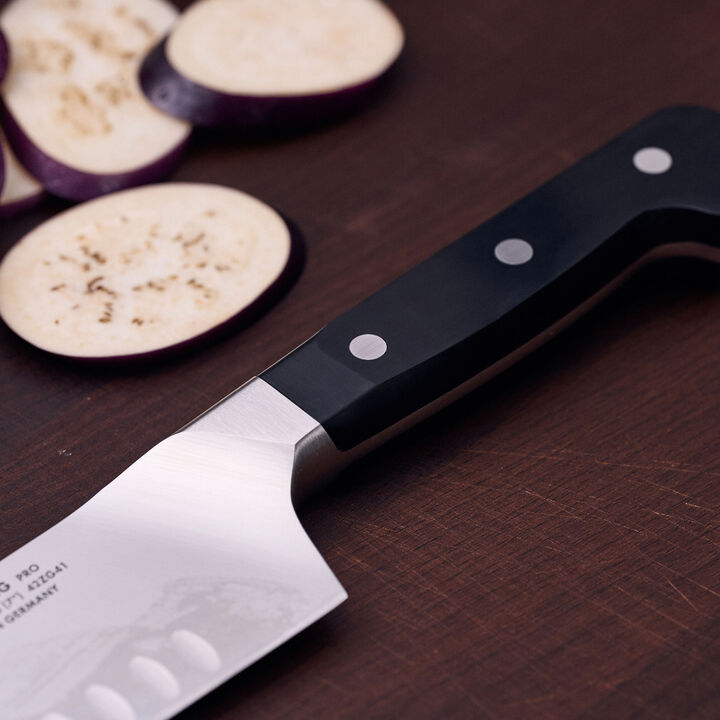
The Santoku knife is the universal knife in Japanese cuisine. The lines of the handle and blade are particularly characteristic, forming a continuous line on the blunt top side. The wide blade extends far beyond the handle, allowing enough room for the fingers of the hand holding it. Santoku translates as "three advantages" and refers to the versatile possibilities of use. The shape of the blade allows it to be used in a flat cradle cut as well as for quick chopping.
Shoto knife (Japanese vegetable knife)
Shotoh means small knife and is often called "Petty knife". This name comes from the French "Petit". It is used for small foods like fruits or vegetables. Compared with a paring knife, the Shotoh is usually a bit longer and more versatile, and its pointed tip helps with precise work such as peeling fruit or working close to skin. In Japan, this knife is one of the standard knives and is the most sold blade shape there next to the Santoku knife.
Nakiri knife (Japanese meat knife)
Another traditional vegetable knife, the Nakiri, differs significantly from the Shotoh knife in both design and use. Nakiri knives have a larger rectangular blade with a flat cutting edge, specifically designed for chopping and slicing vegetables with precision. While the Nakiri focuses on heavier vegetable prep with its broad, flat blade, the Shotoh offers more agility and control for finer, detailed cutting work.
Gyutoh knife (Japanese meat knife)
In Japan, the Gyutoh stands for the meat knife and is mainly used to cut meat finely. The round blade shape also allows cutting in cradle cut. In Germany, the Gyutoh is universally used as a particularly sharp chef's knife.
Other Japanese knives are e.g. Chutoh, Shotoh, or the Sakimaru Takobiki, which is also known as Sushi and Sashimi knife because of its long blade.
Proper cleaning and care of Japanese knives
For Japanese chef's knives, as for all kitchen knives, the basic principle applies: Never put the knife in the dishwasher for cleaning! For re-sharpening it is best to use a good whetstone from the ZWILLING Online Shop. Important: This does not apply to knives with a serrated edge.
Buy Japanese Chef Knives for all your needs online at the ZWILLING Online Shop.


