


Knives Forged
cutlery
All Filters
Flyout with all filters and corresponding filter values listed
Knives > Knives Forged
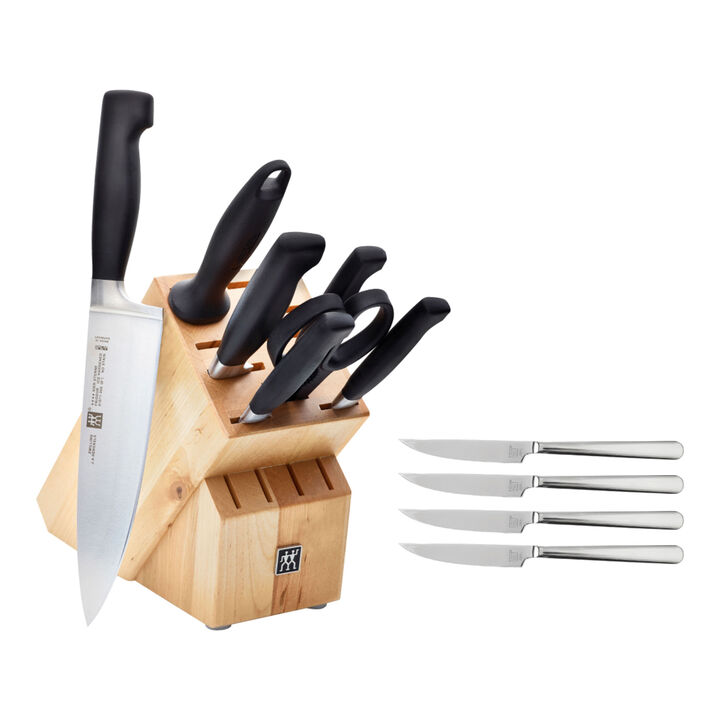
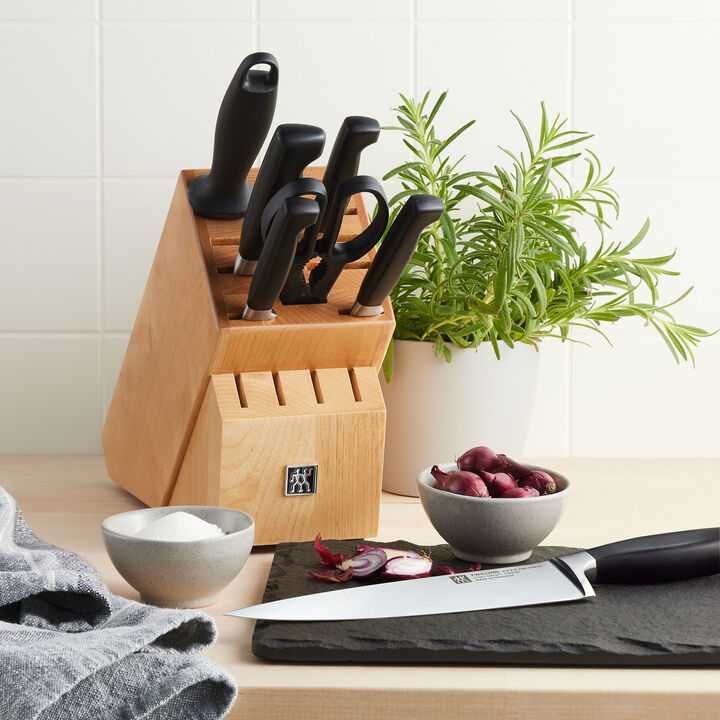
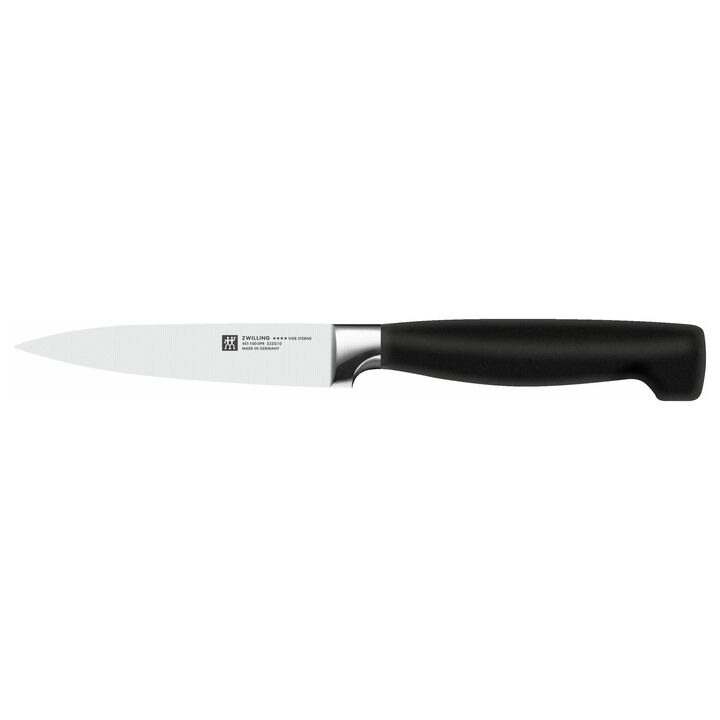
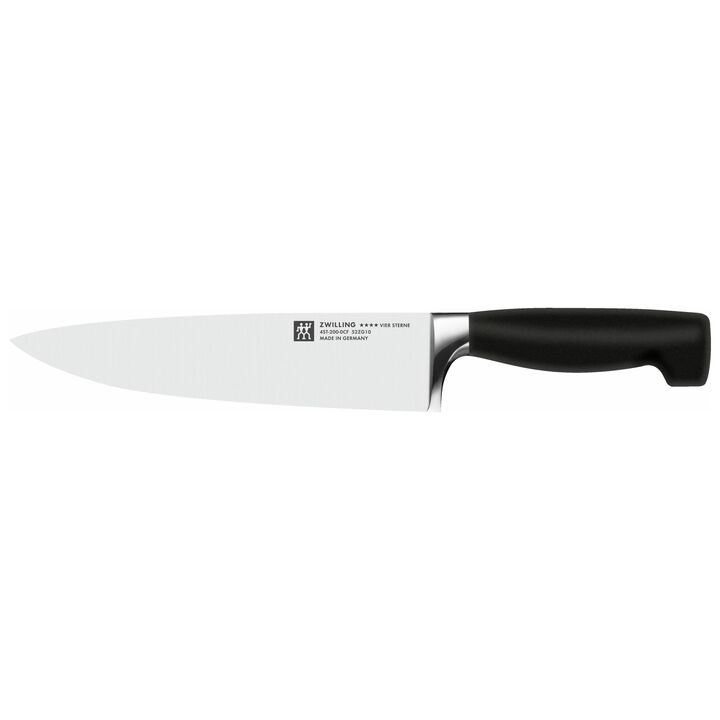
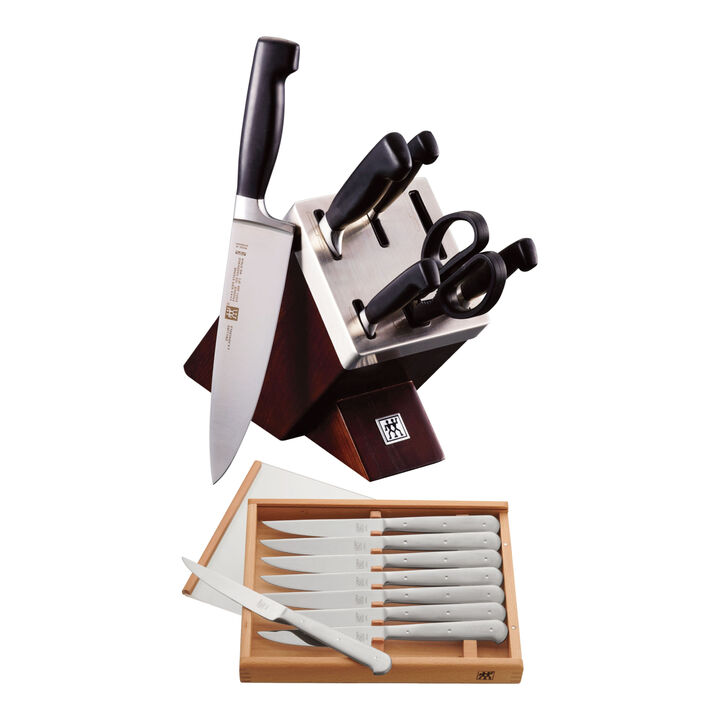
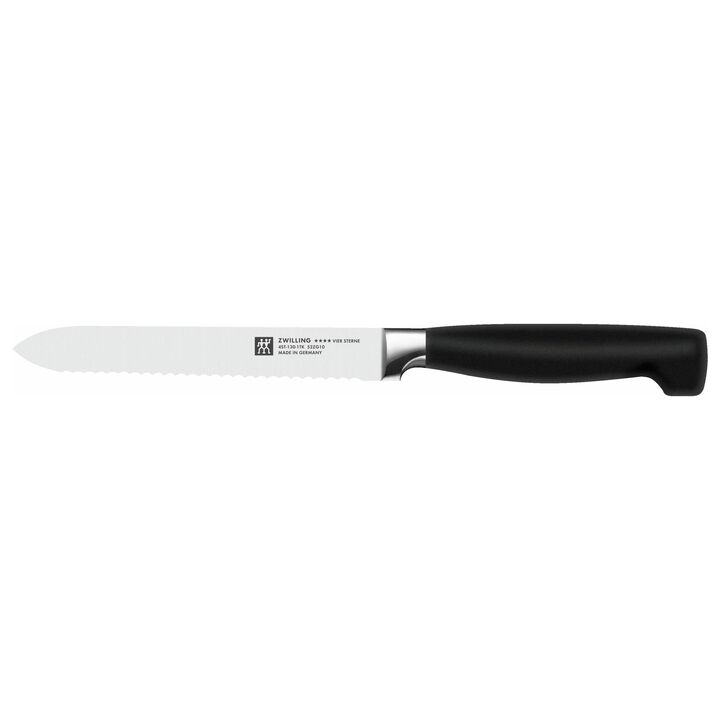
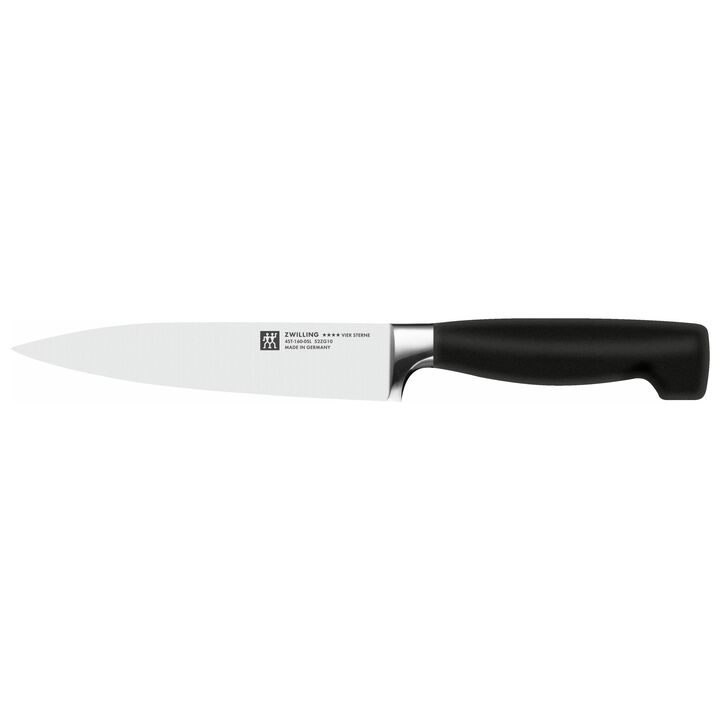
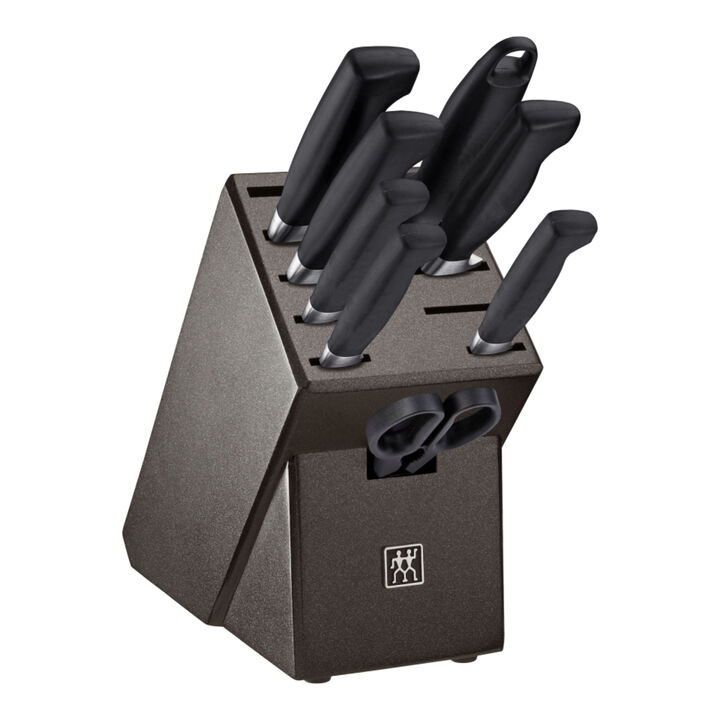
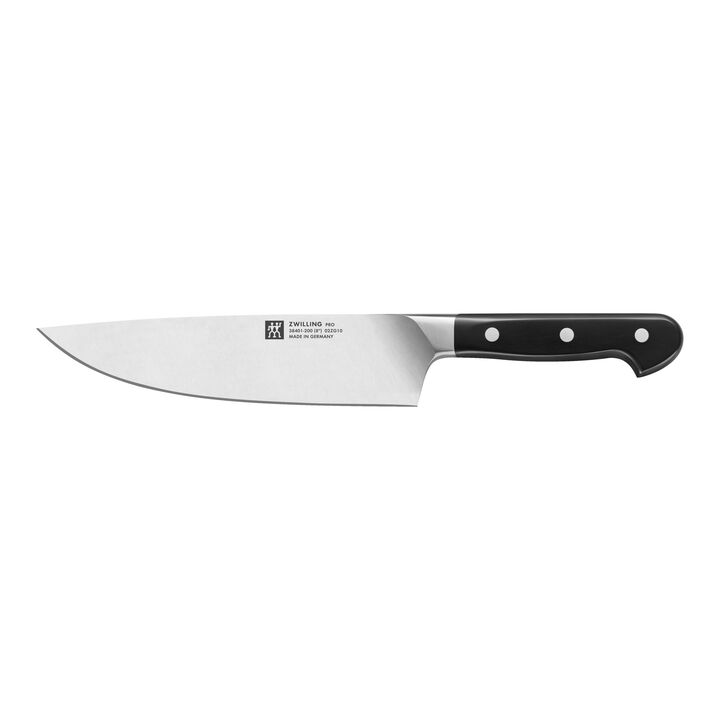
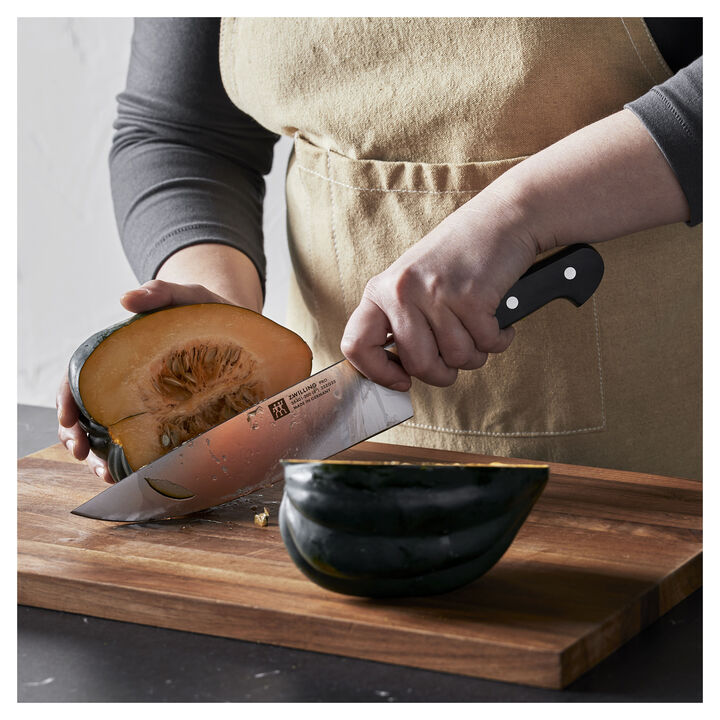
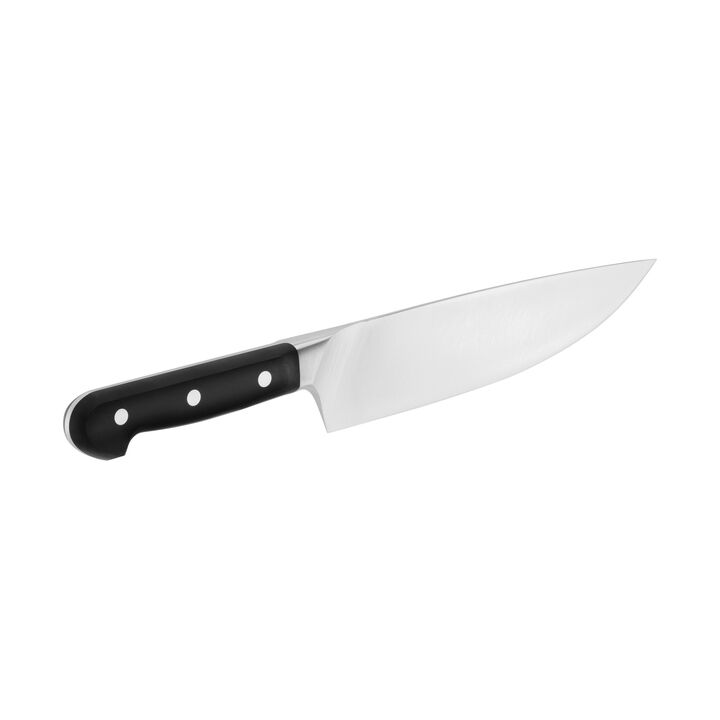
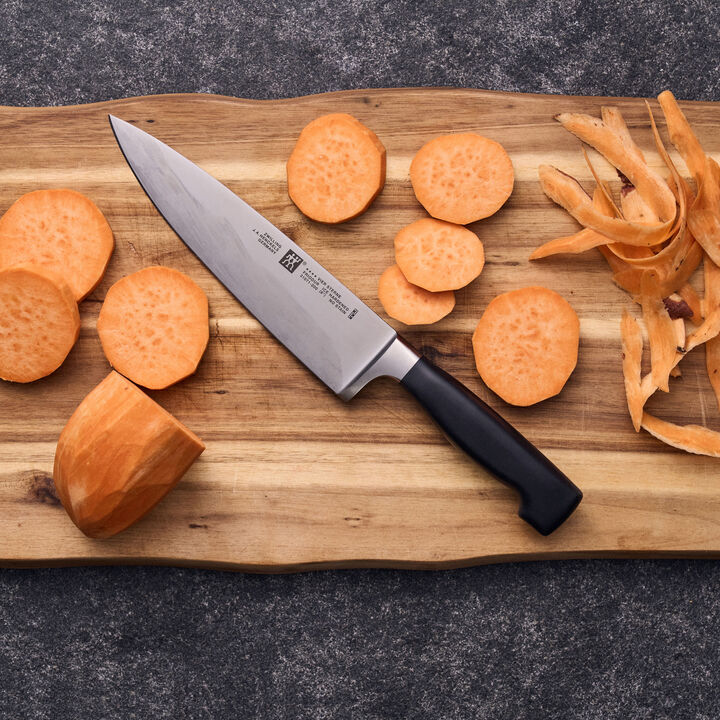
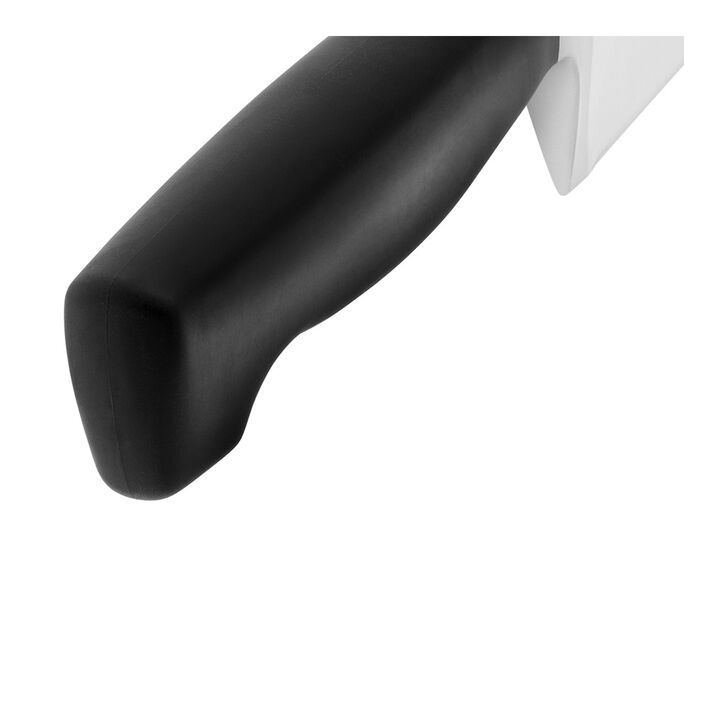
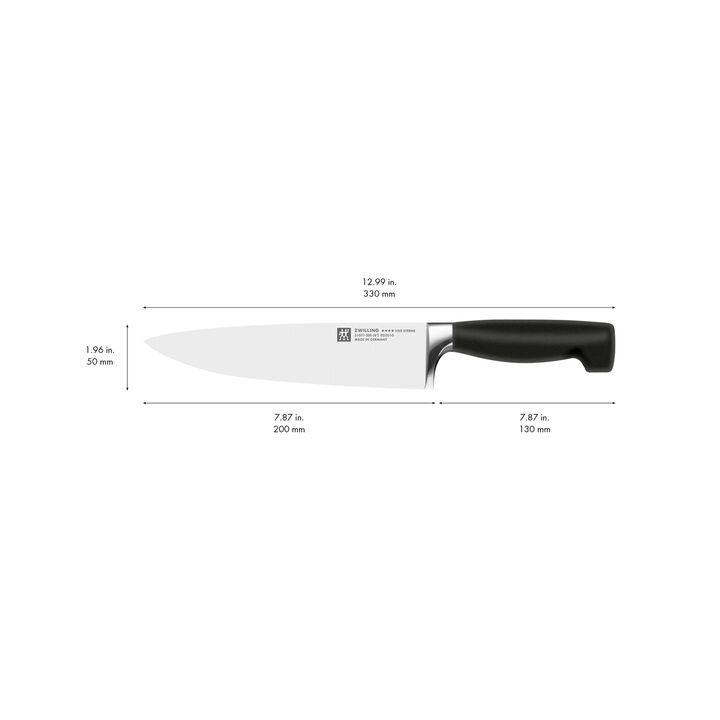
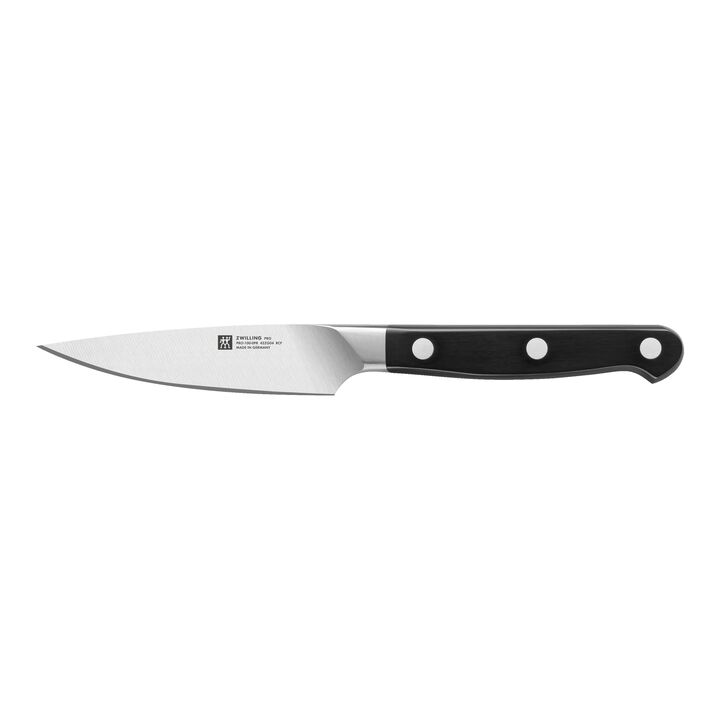
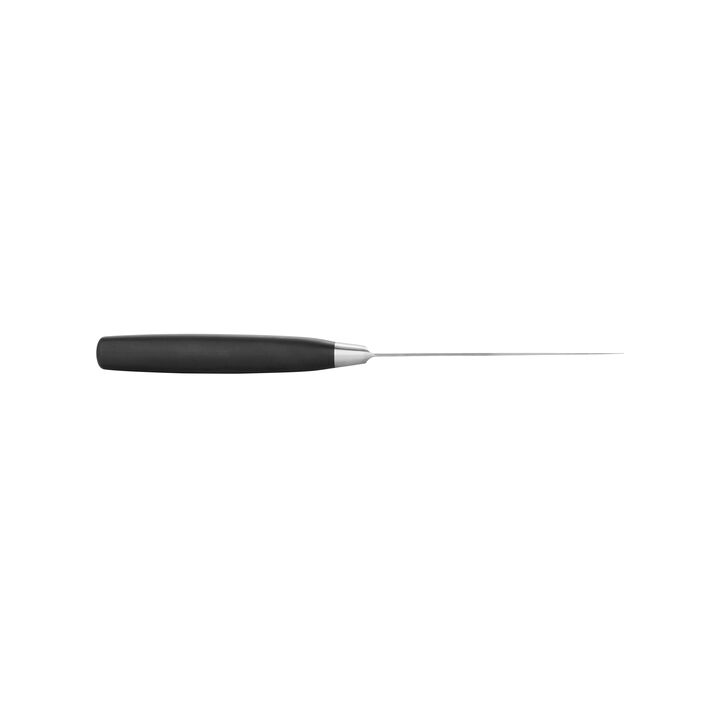
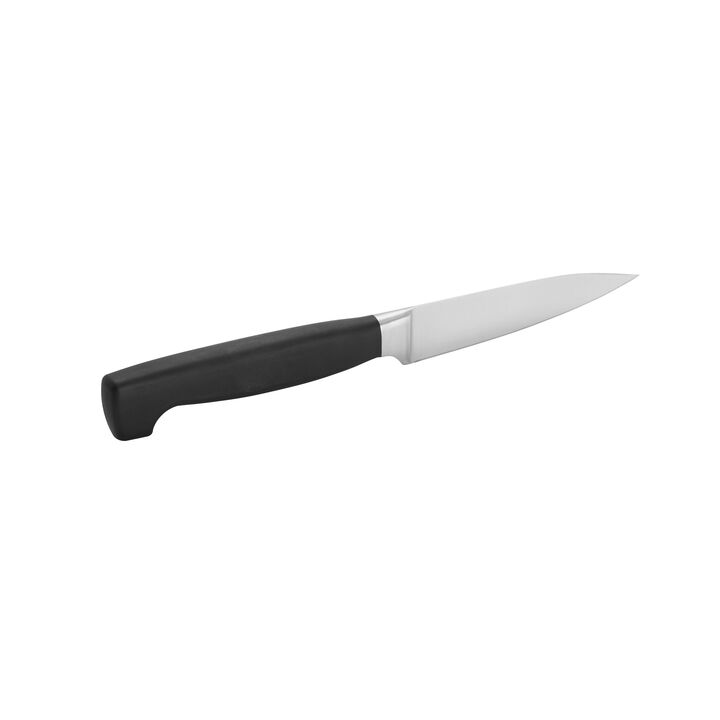
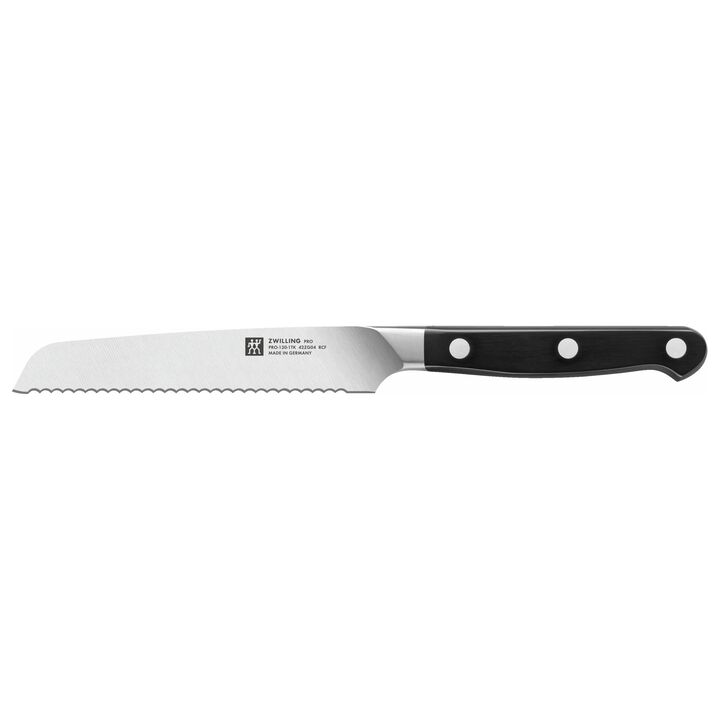
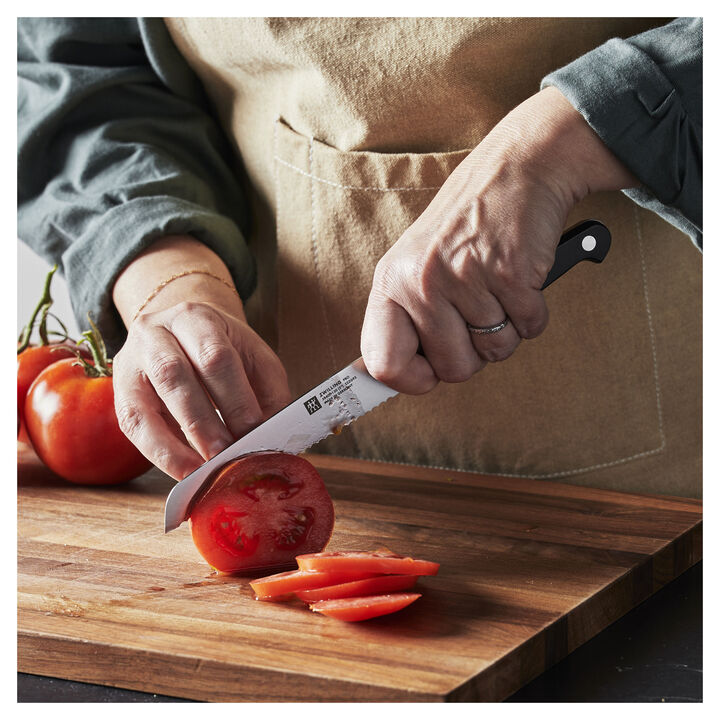
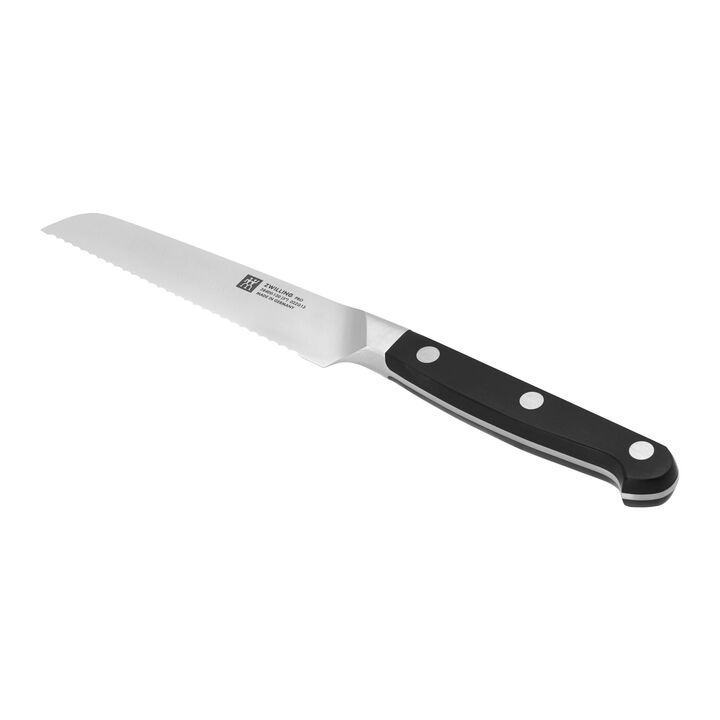
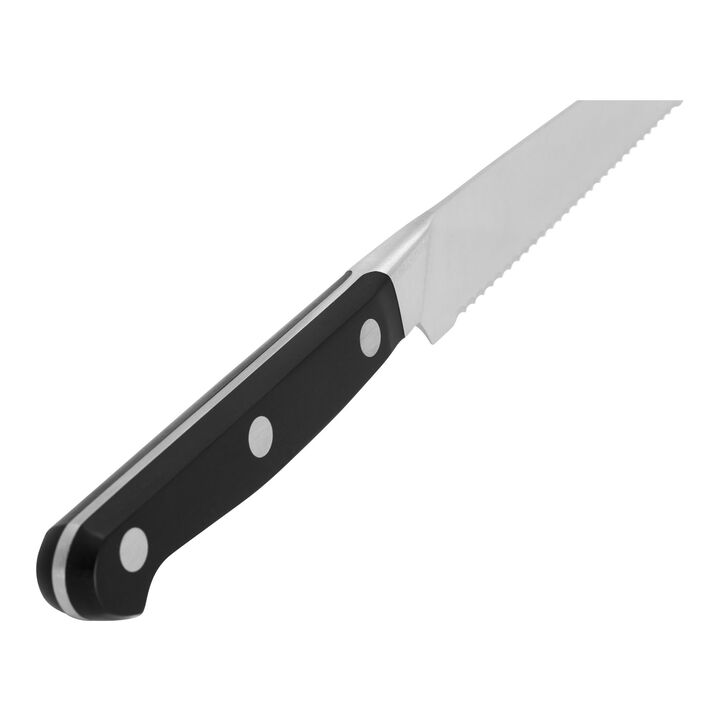
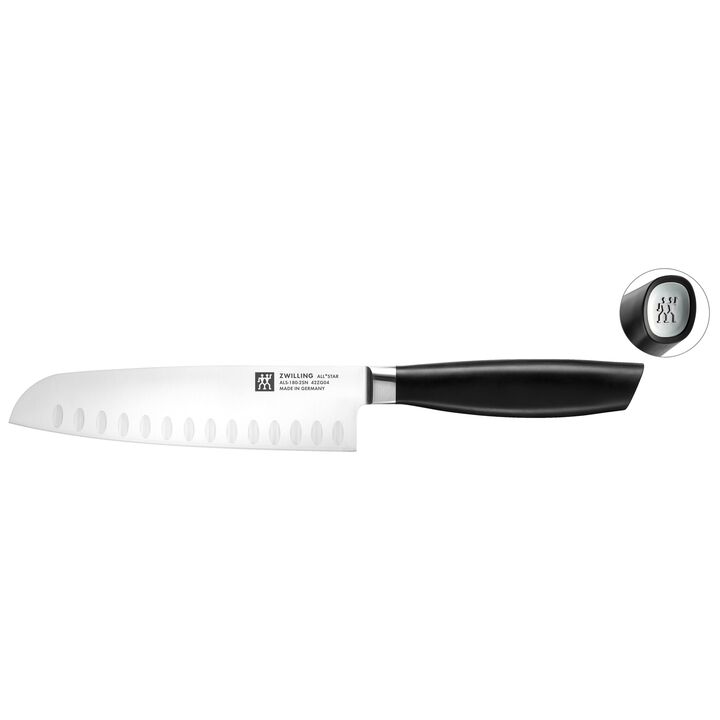
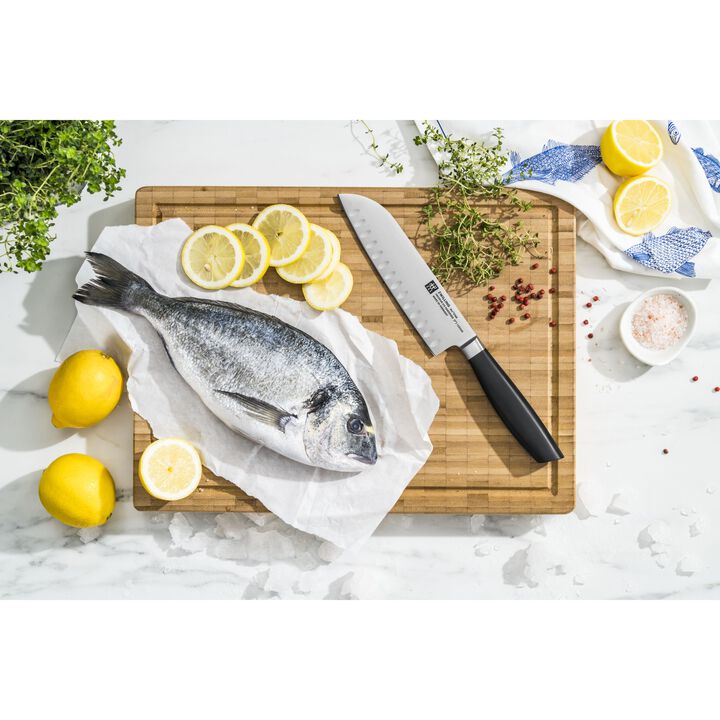



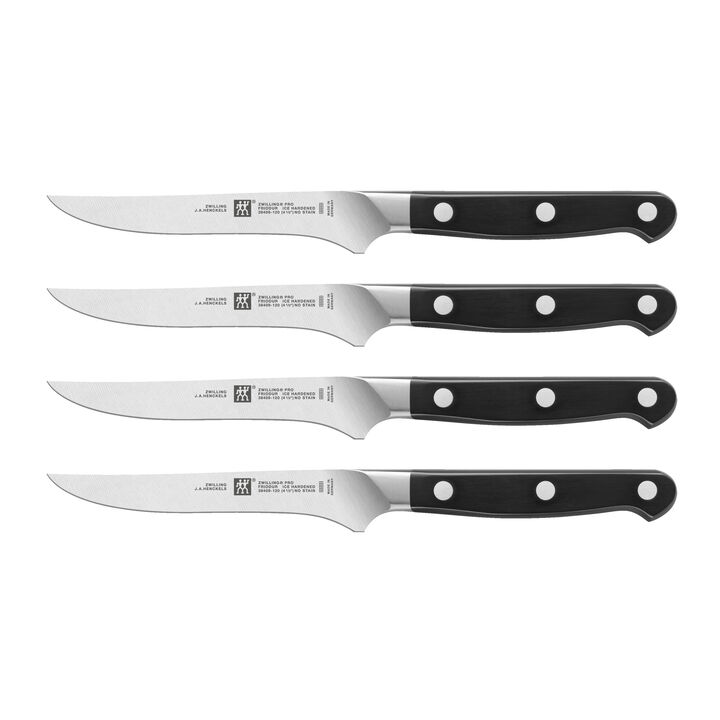

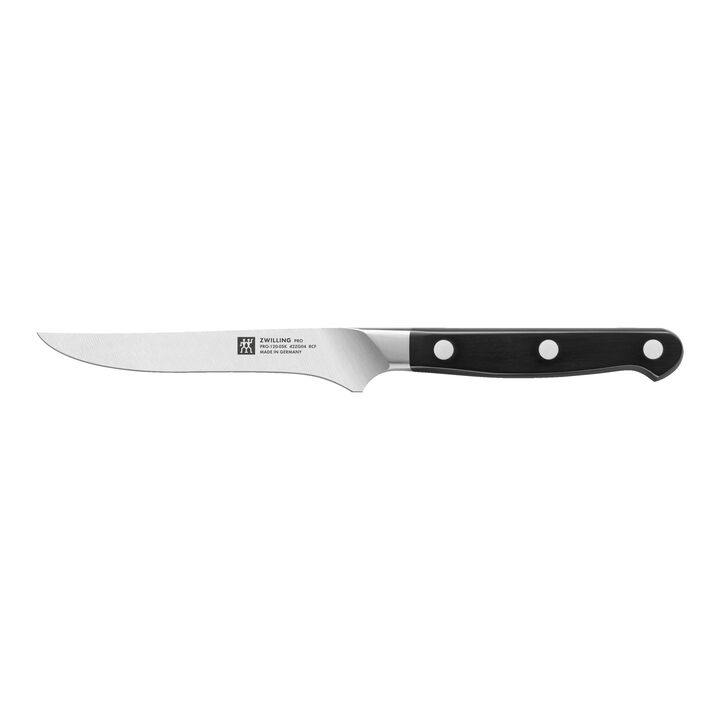
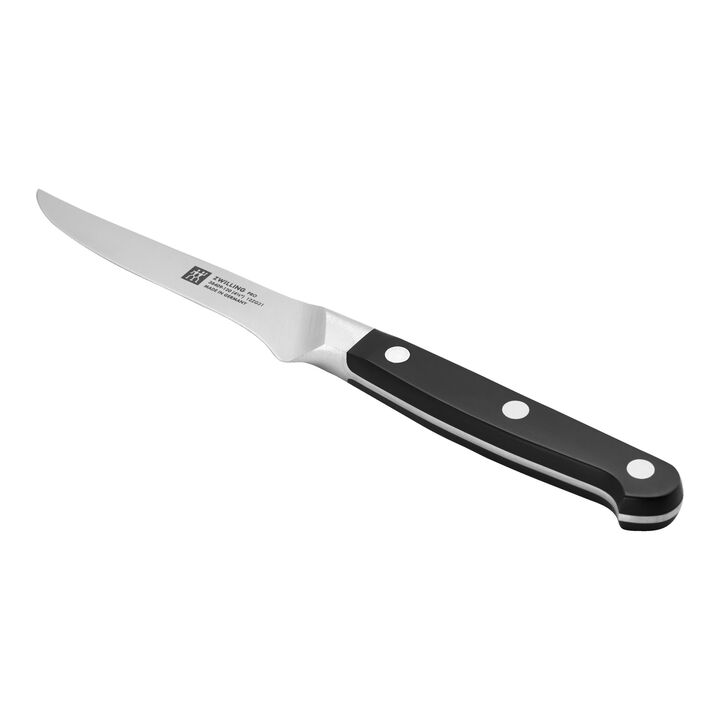
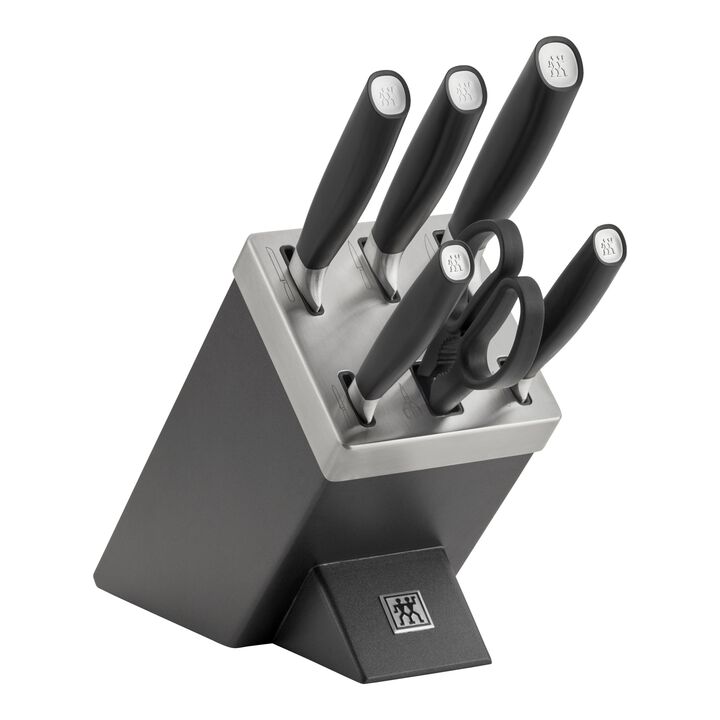


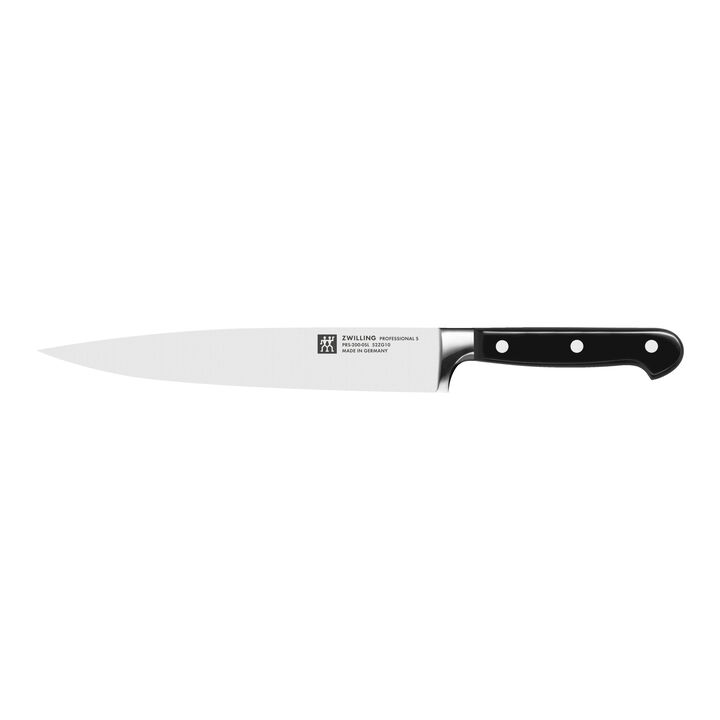
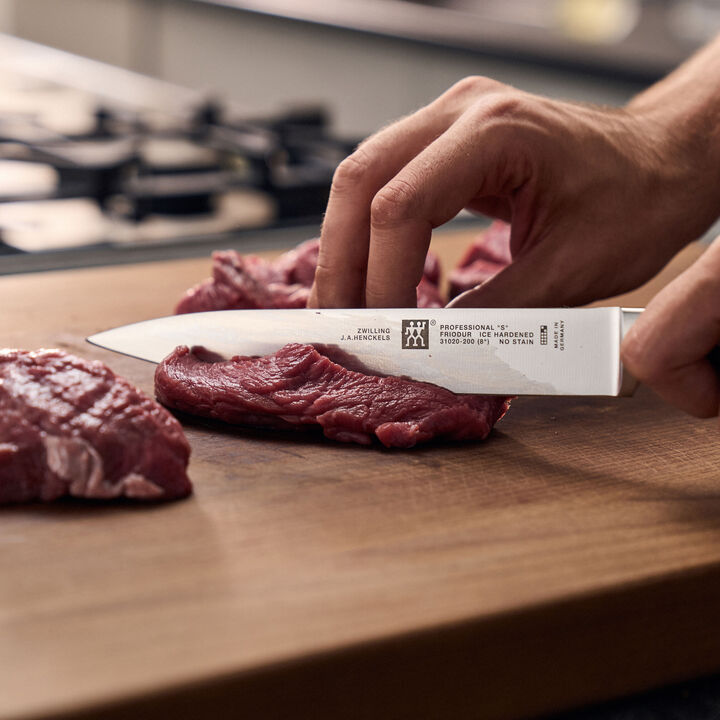
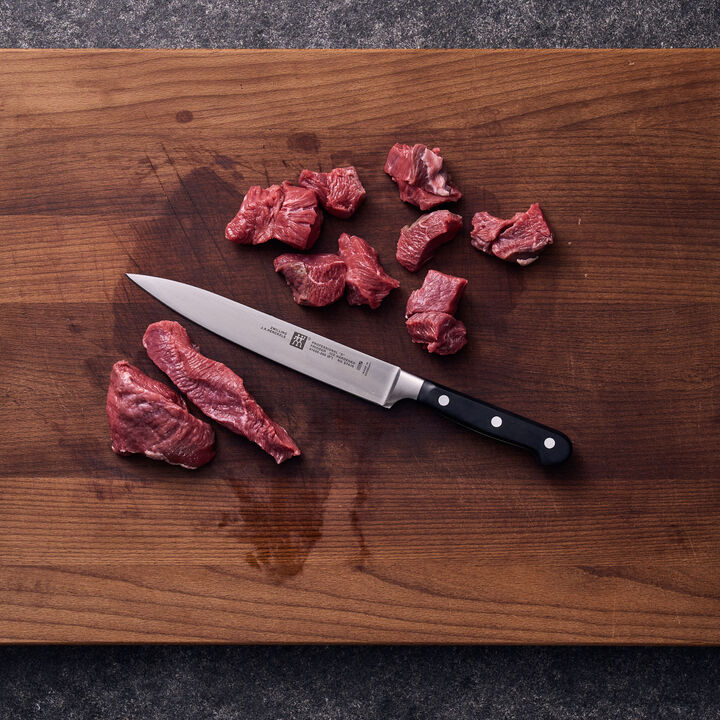
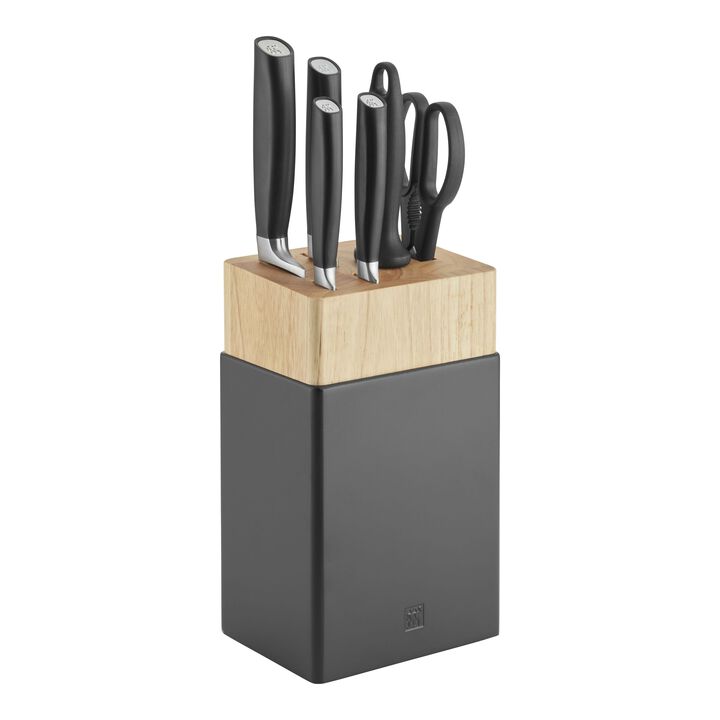
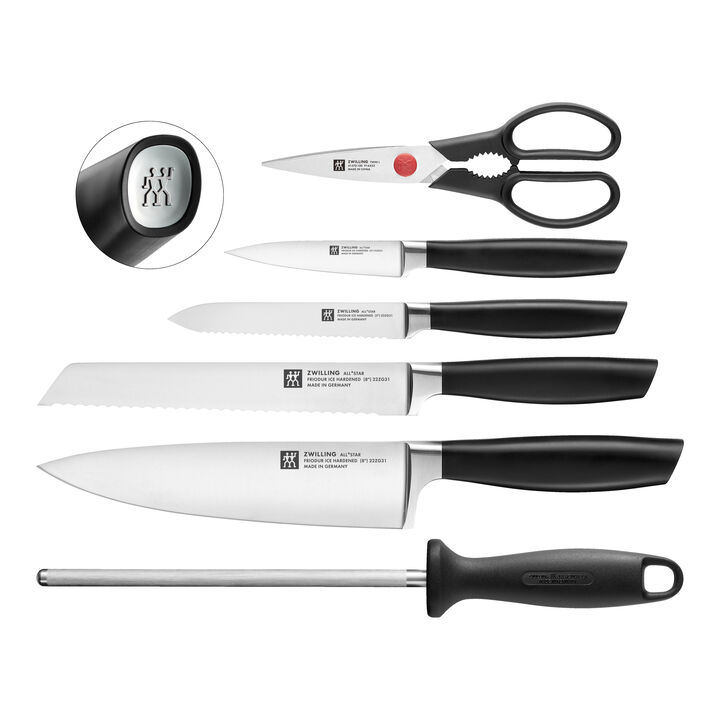
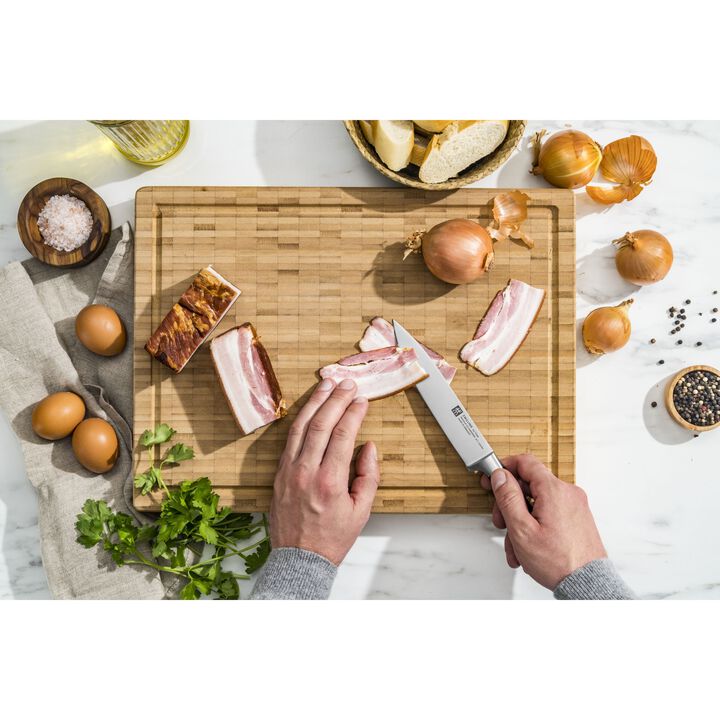
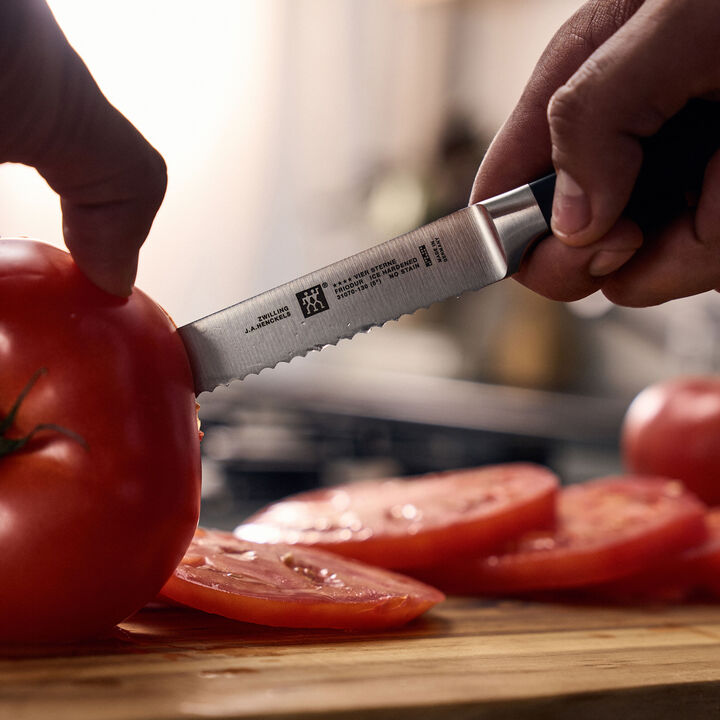
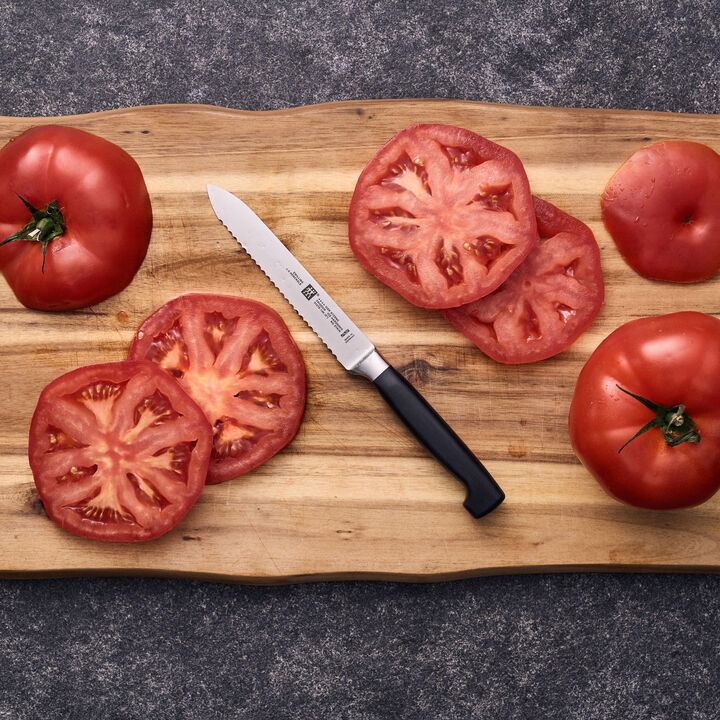
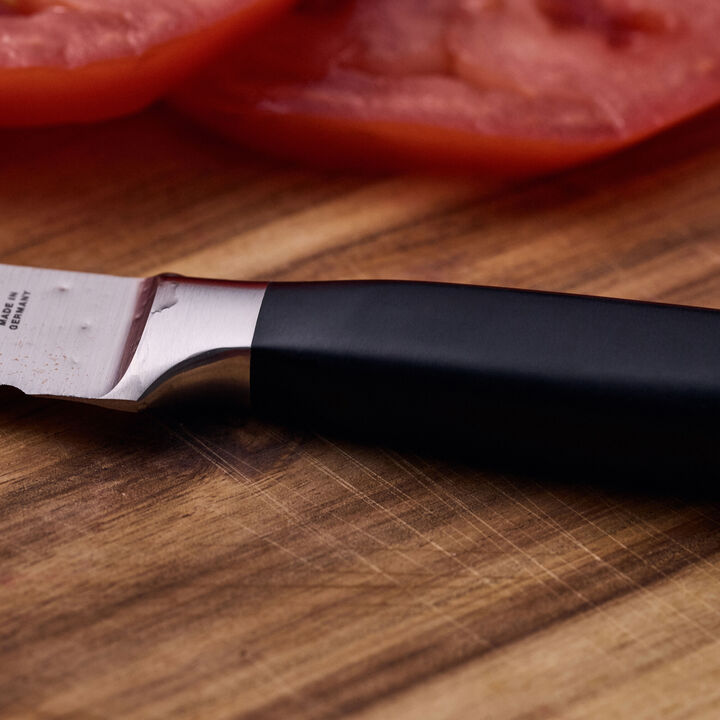
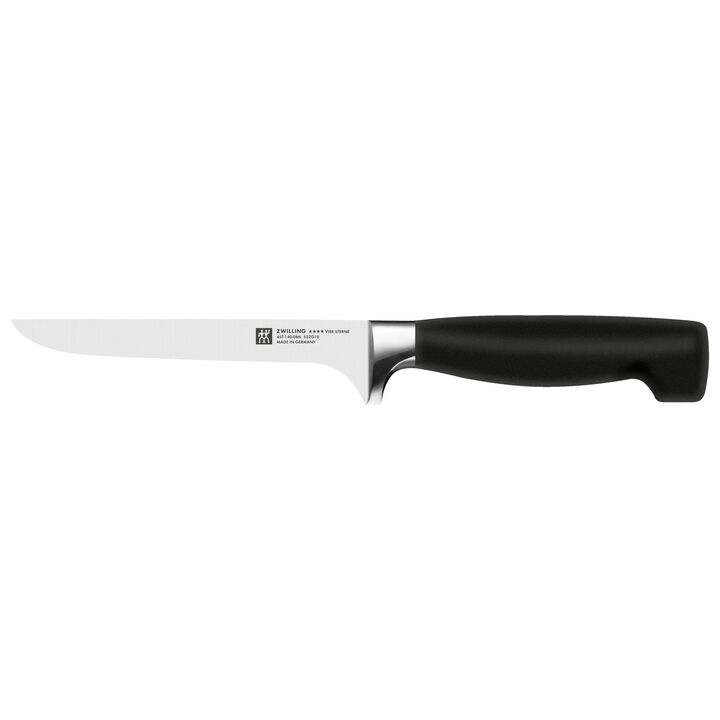
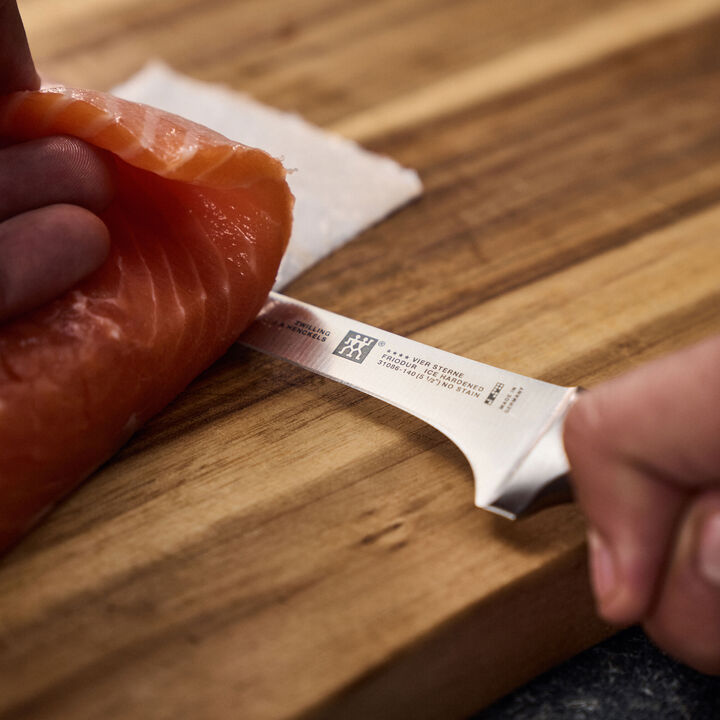
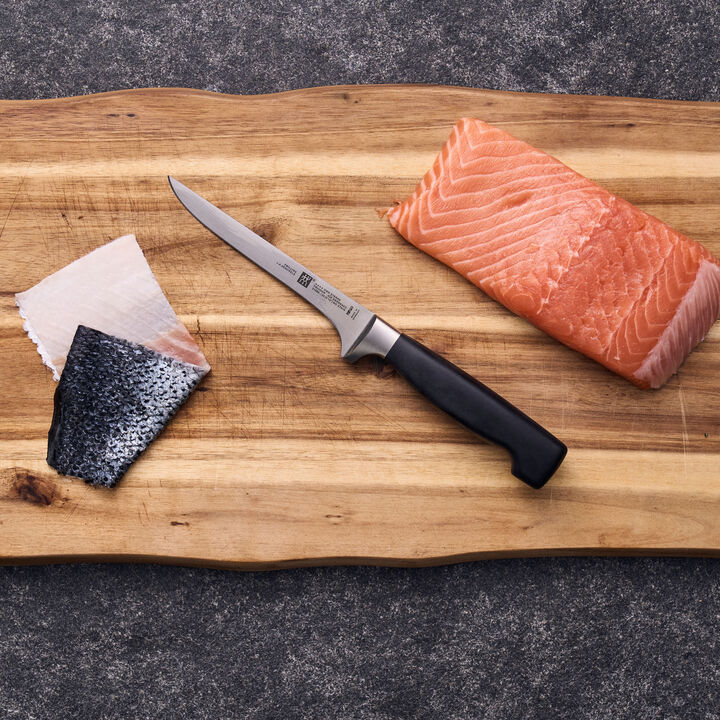
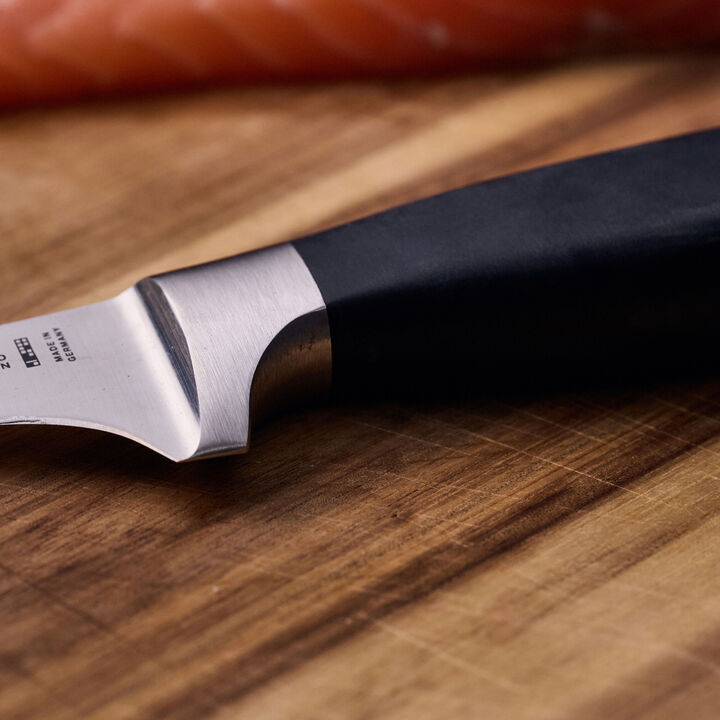
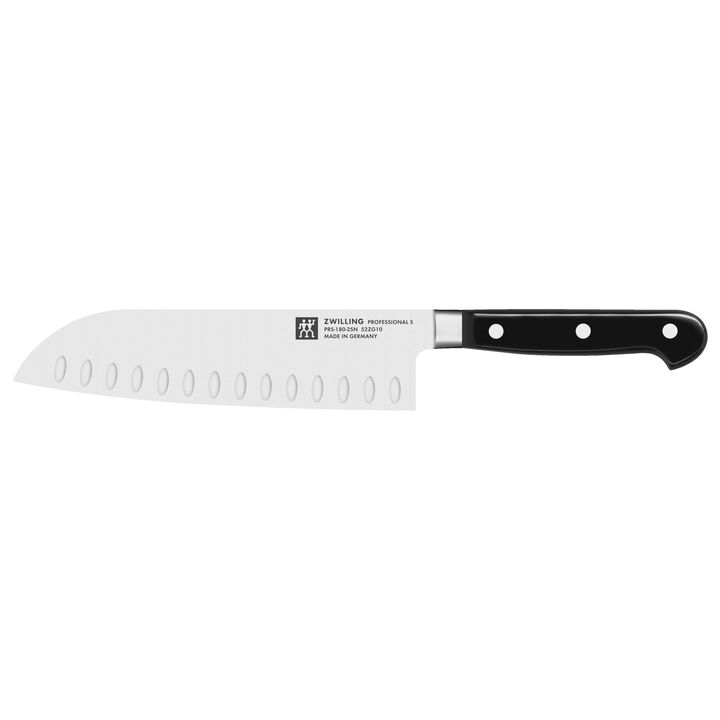
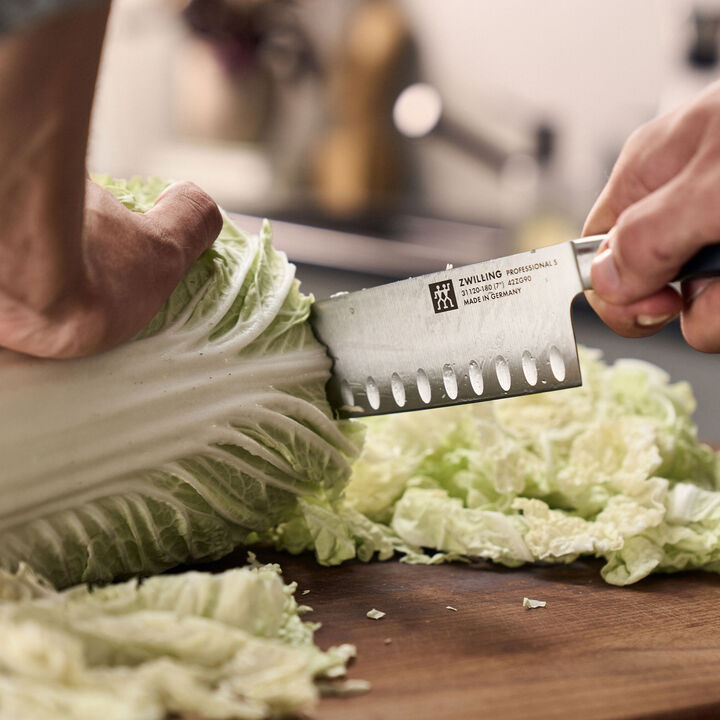


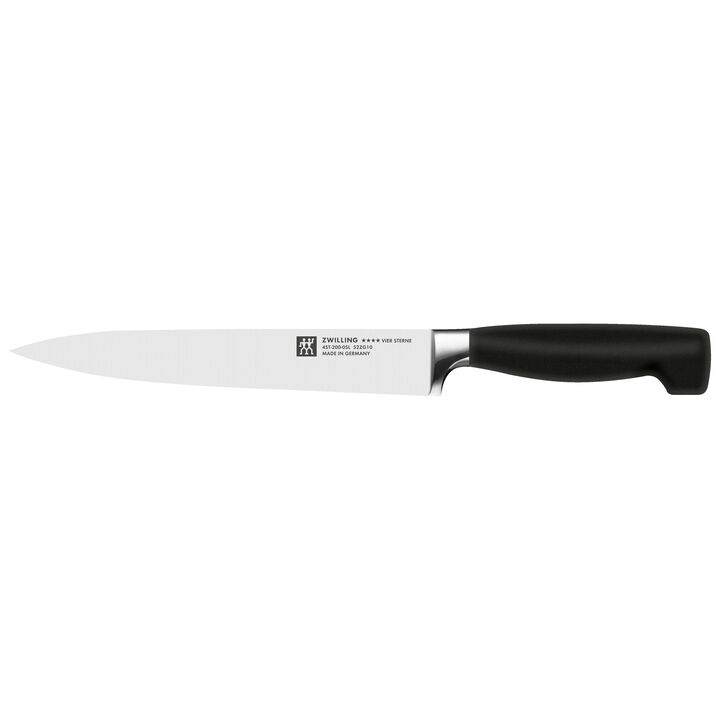
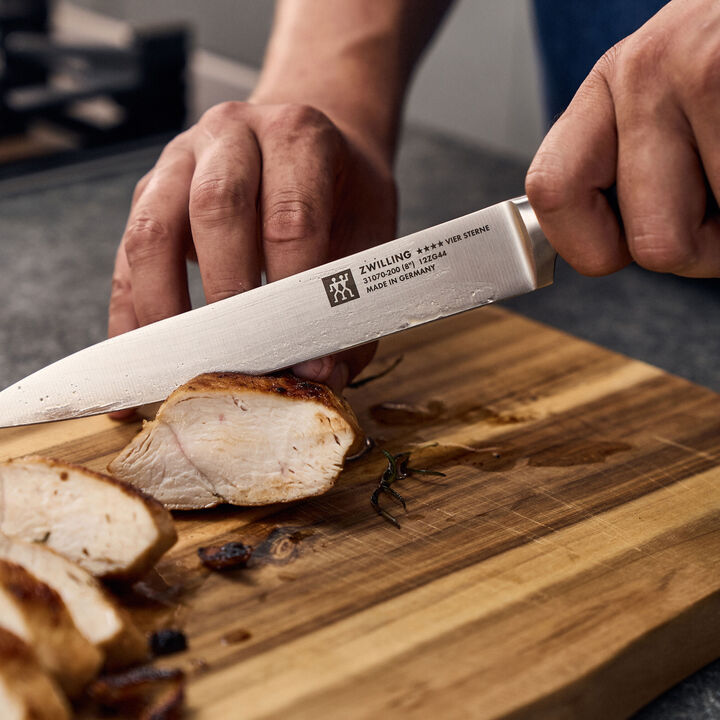
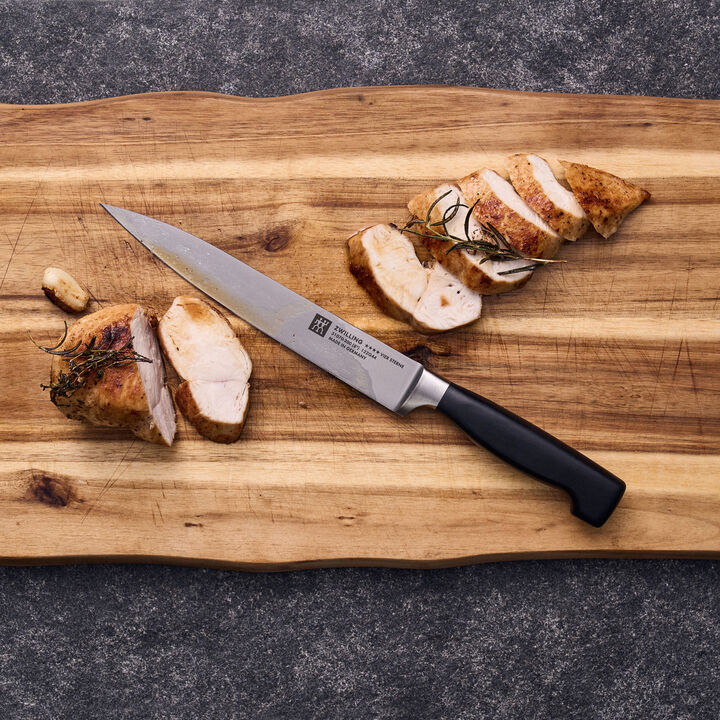
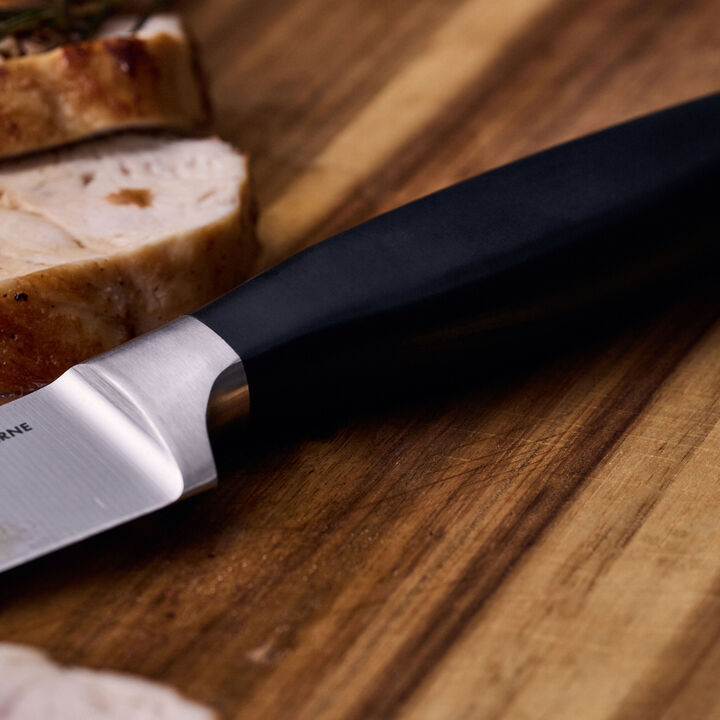
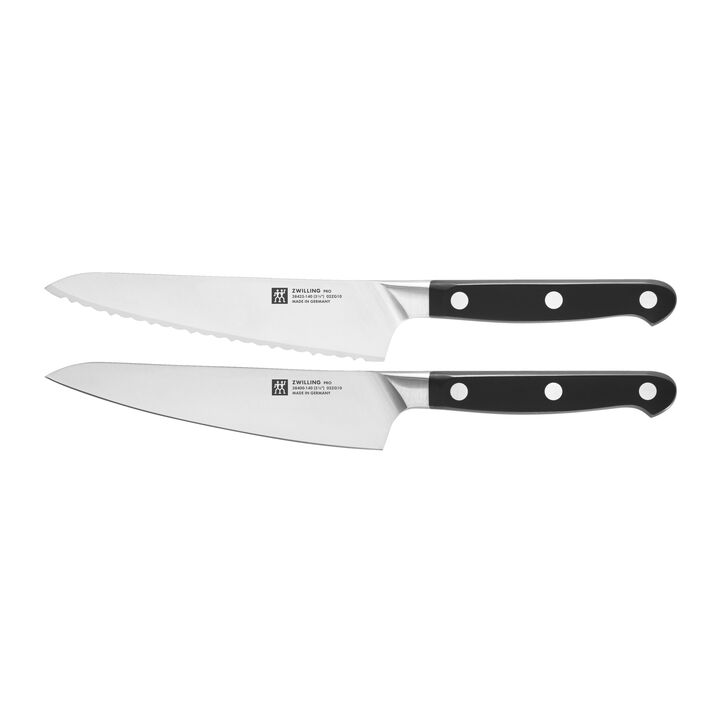

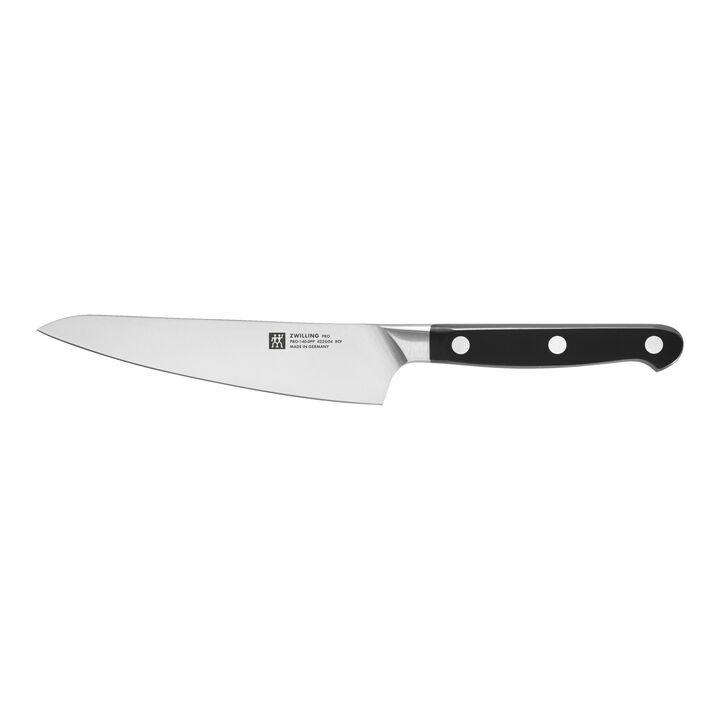
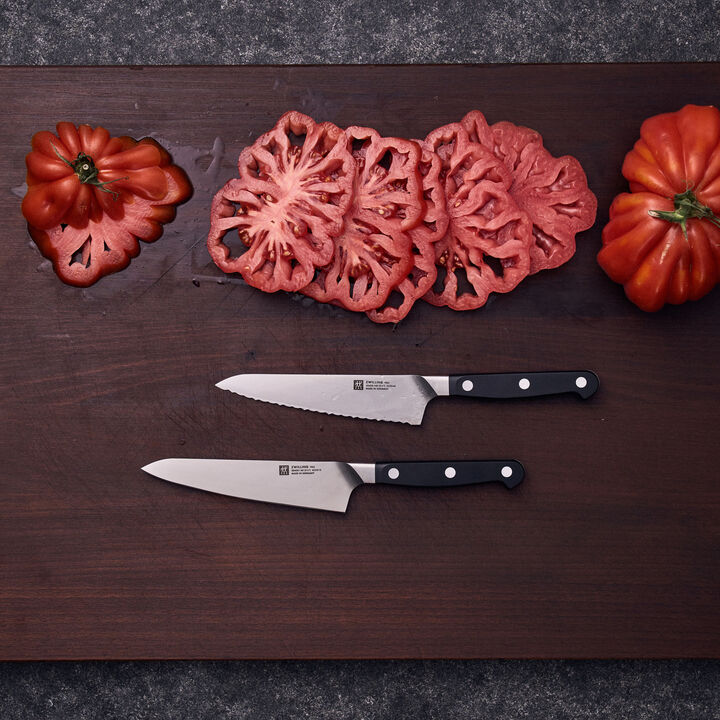
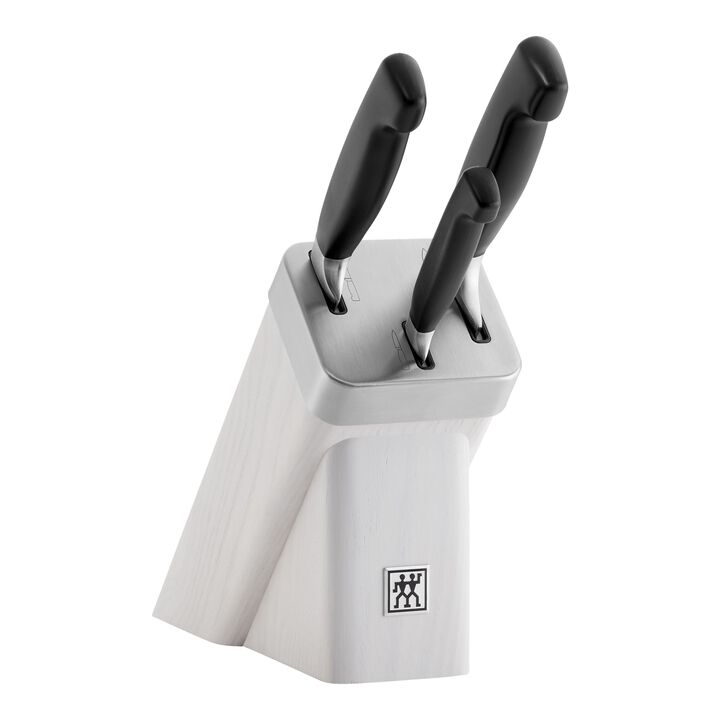

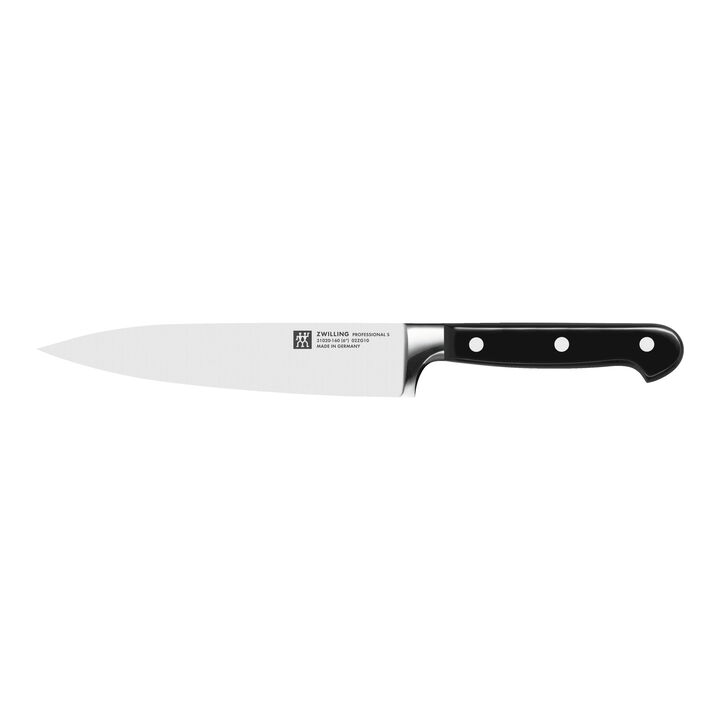
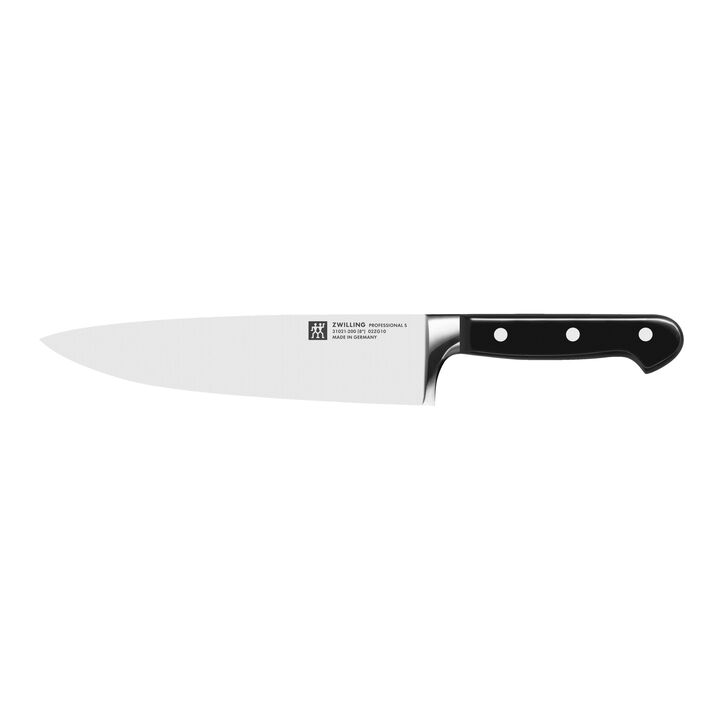
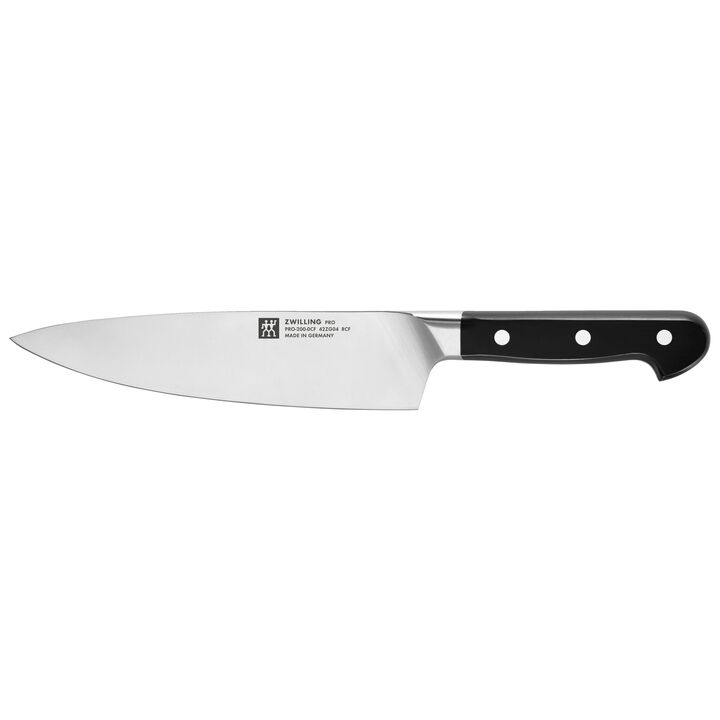
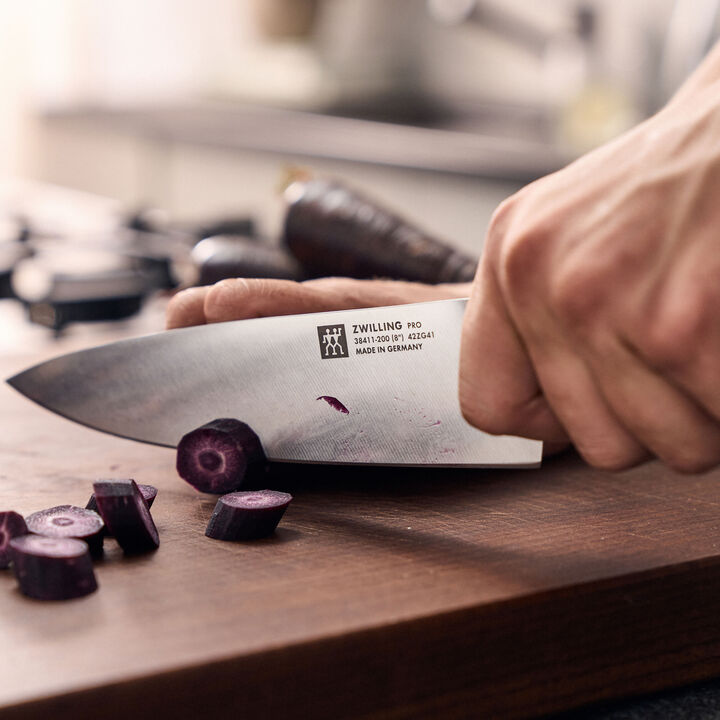
Knives Forged
Forged Knives – Precision, Balance, and Durability
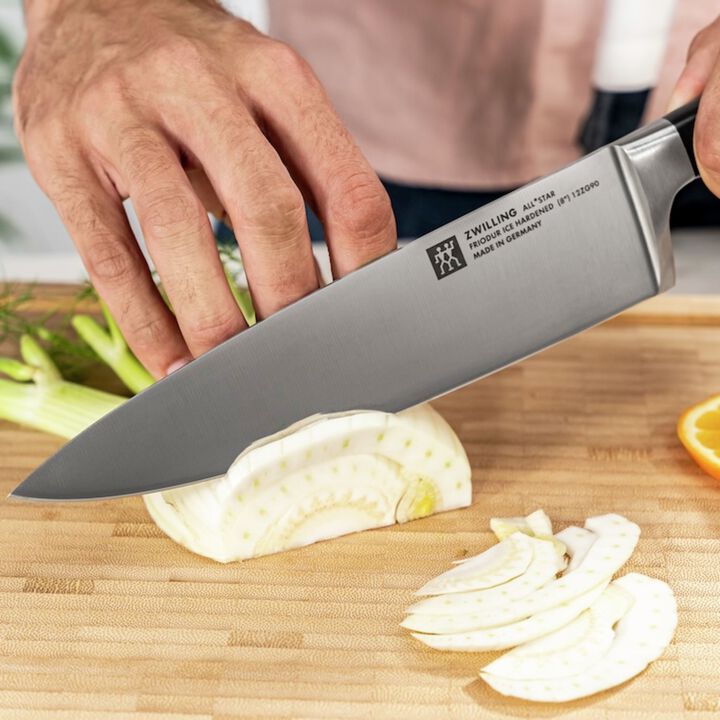
Forged knives are a hallmark of craftsmanship, strength, and long-lasting performance – values ZWILLING has upheld since 1731. In this guide, you'll learn what makes forged knives unique, how they are made, their pros and cons, how to care for them, and how they compare to stamped knives.
What Are Forged Knives?
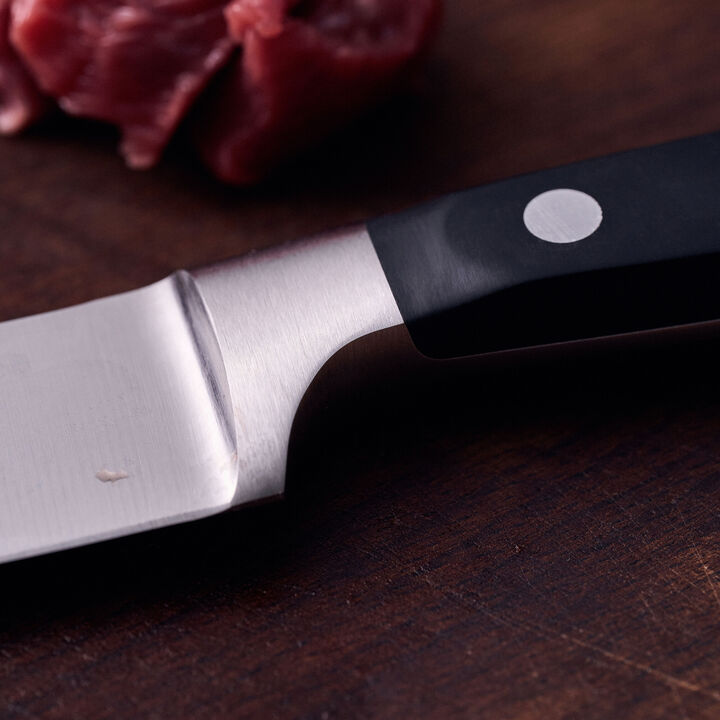
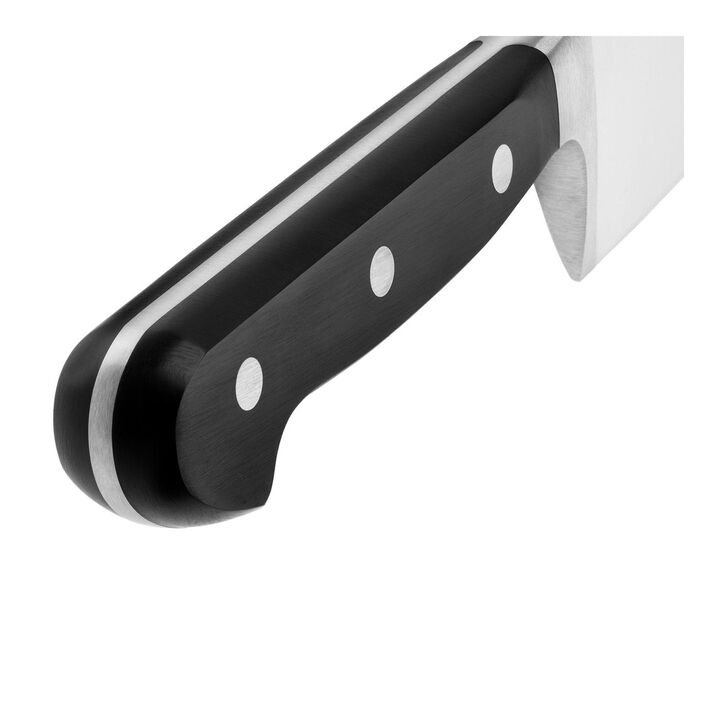
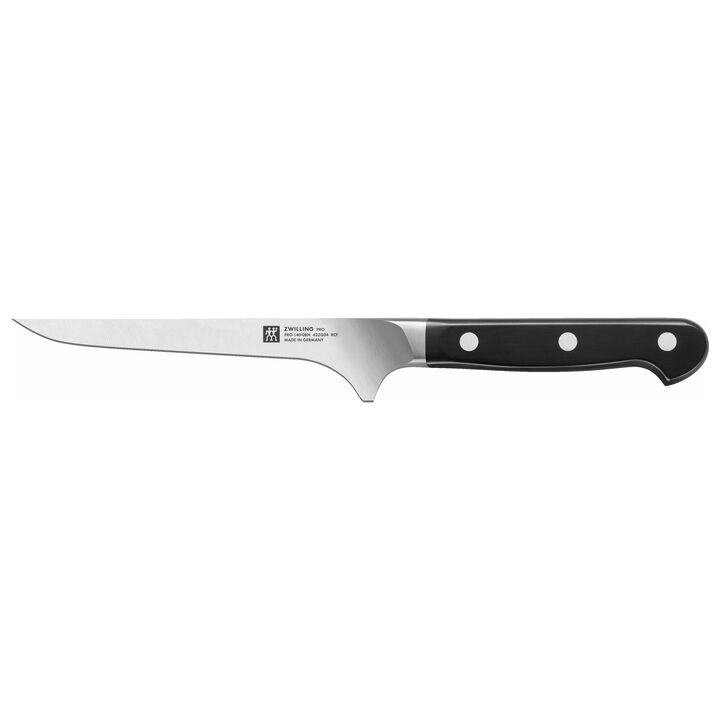
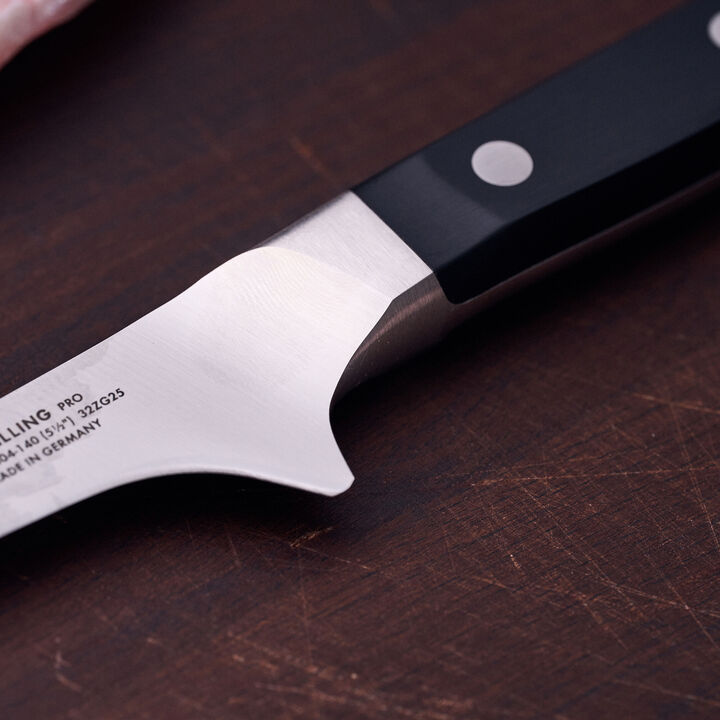
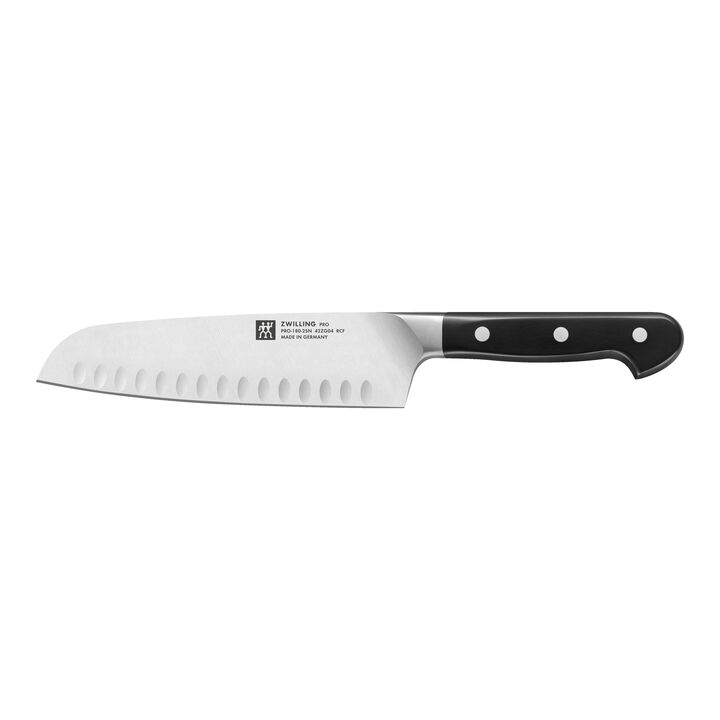
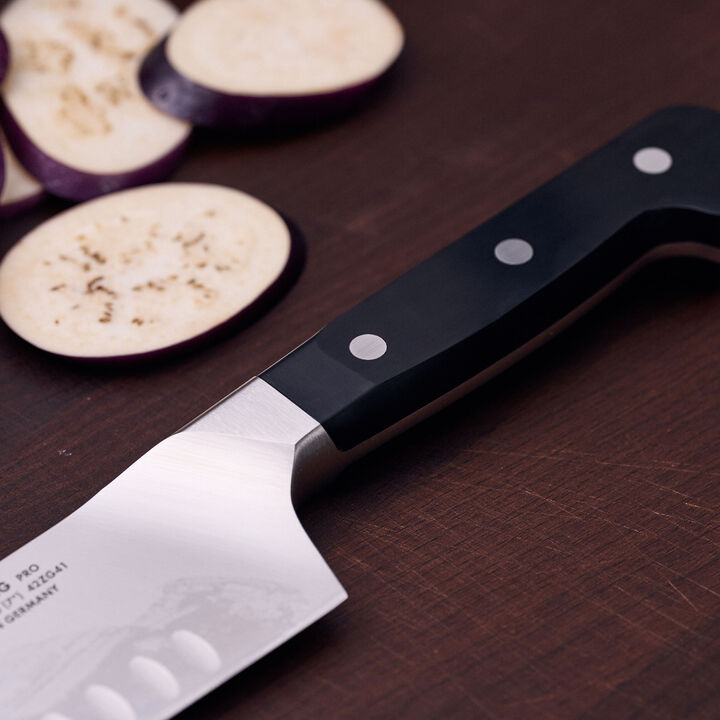
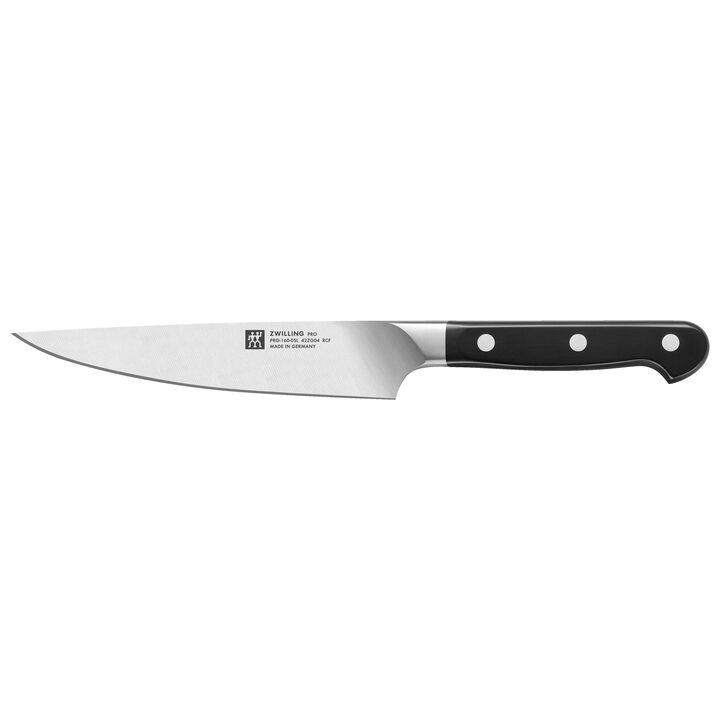
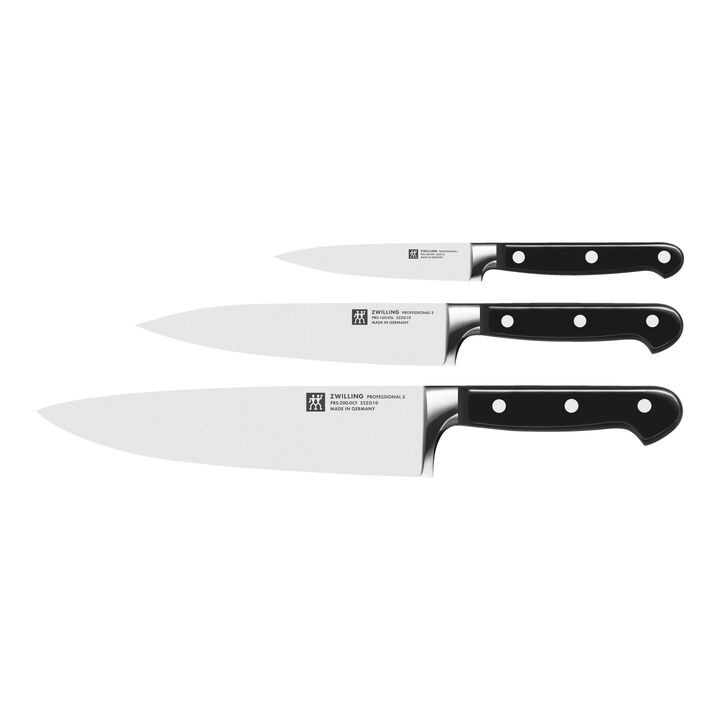
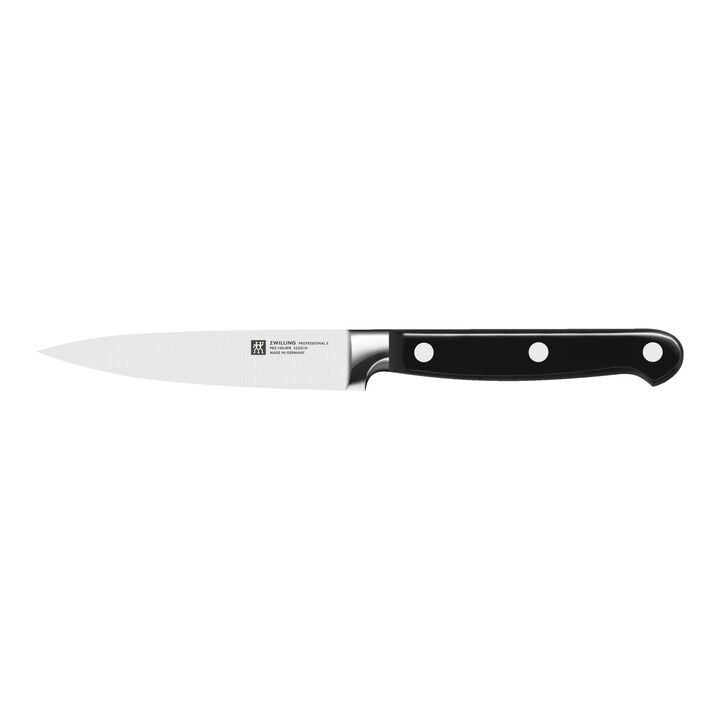
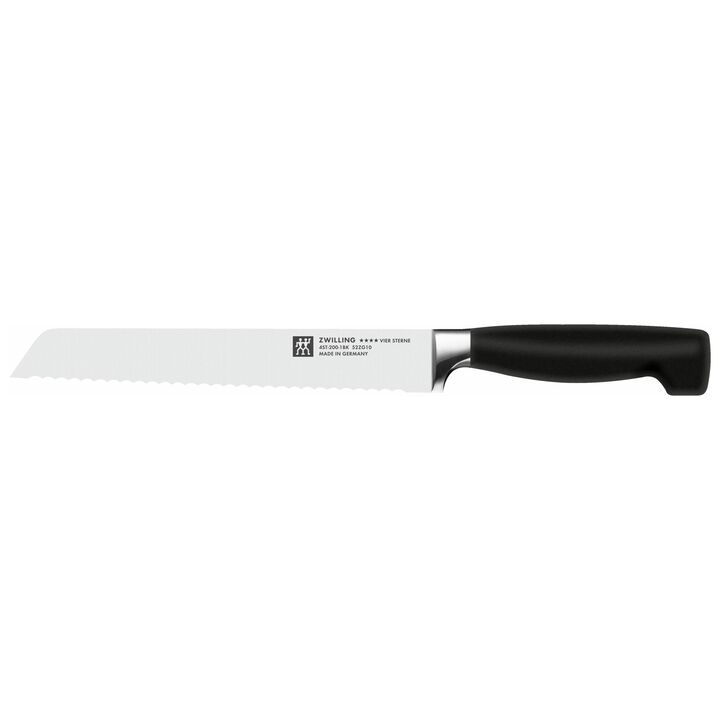
A forged knife is crafted from a single piece of high-quality steel that is heated and shaped under pressure. Unlike stamped knives, which are cut from flat steel sheets, forged knives are thicker, heavier, and typically include a full tang, a solid piece of steel that extends into the handle for added balance and strength.
How Are Forged Knives Made?
At ZWILLING, forged knives are made through a detailed process that combines centuries-old expertise with modern innovation:
- Heating the steel to over 1,000 °C
- Forging the blade using high-pressure dies
- Cooling to harden the steel
- Tempering to improve flexibility and prevent breaking
- Grinding and polishing to ensure a sharp, durable edge
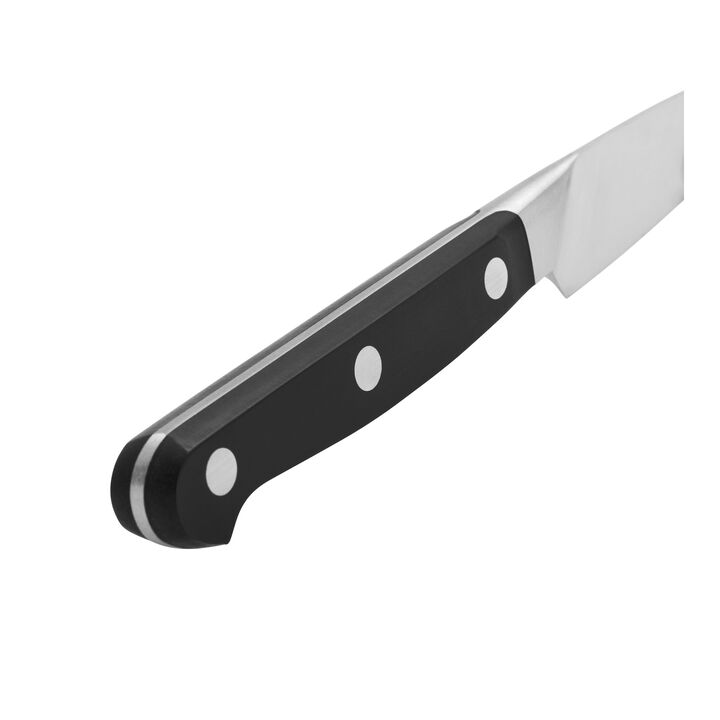
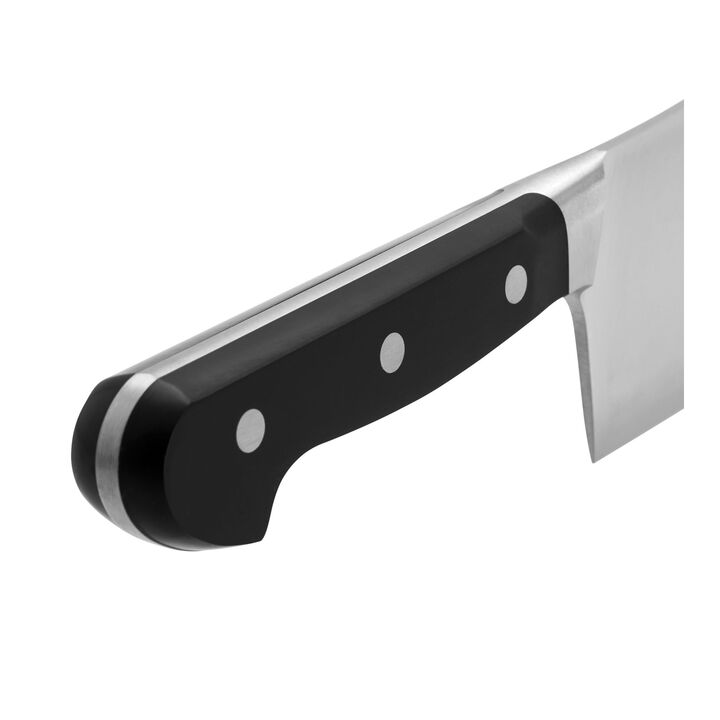
- Attaching the handle, often triple-riveted with a full tang
- Final inspection for precision and quality
ZWILLING uses advanced technologies like SIGMAFORGE® and FRIODUR® ice-hardening to deliver exceptional sharpness, resilience, and edge retention.
Advantages and Disadvantages of Forged Knives
Benefits:
- Exceptional stability and durability
- Well-balanced thanks to a full tang construction
- Longer-lasting edge with proper maintenance
- Comfortable grip and better control
- Premium craftsmanship built to last for years
Drawbacks:
- Heavier than stamped knives, which can cause fatigue during prolonged use
- More expensive due to the complex manufacturing process
When to Use Forged Knives
Best for:
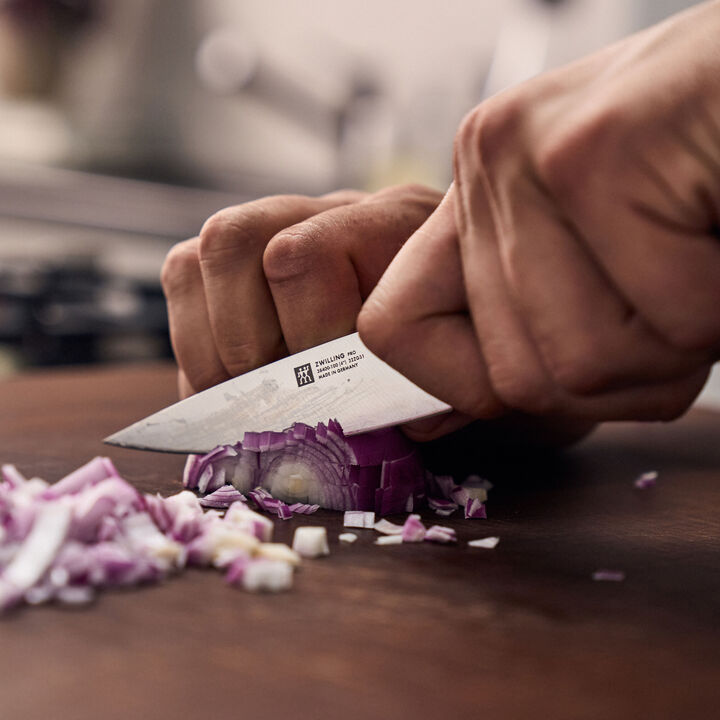
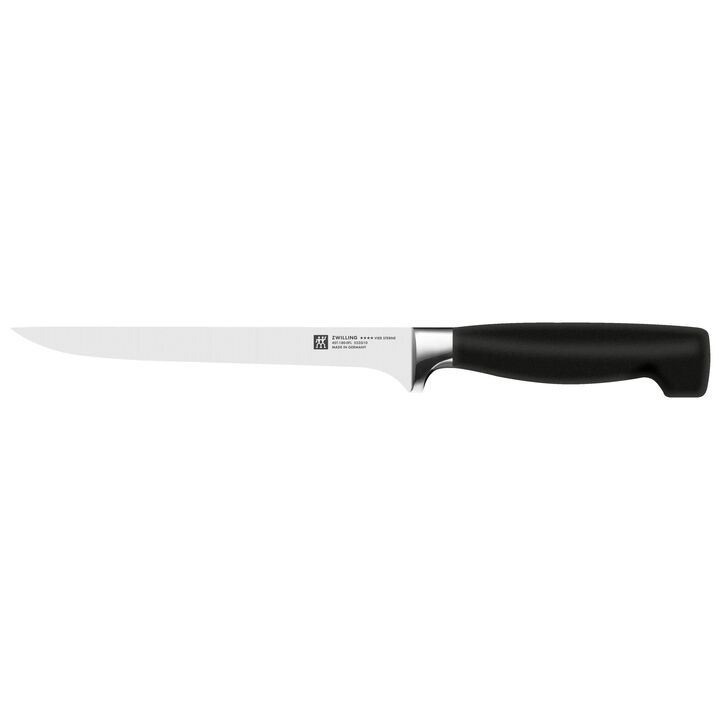
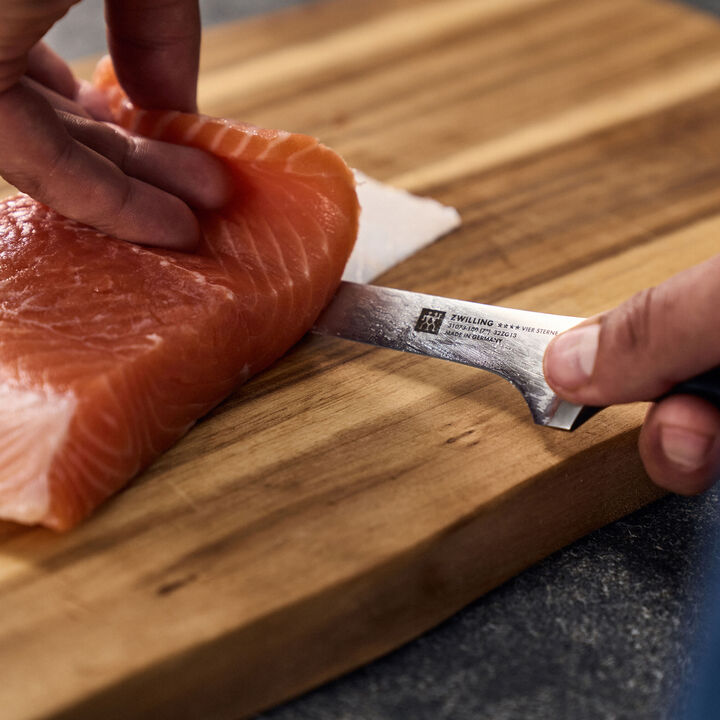
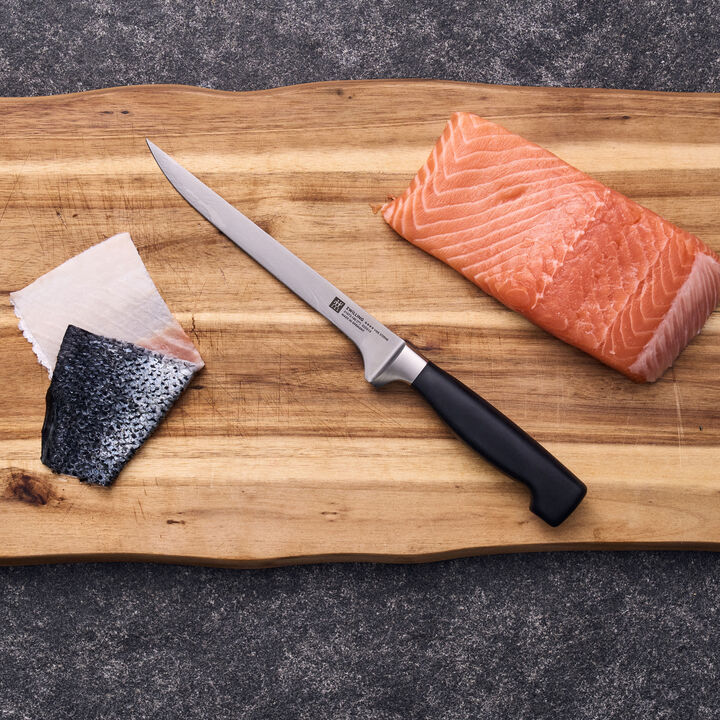
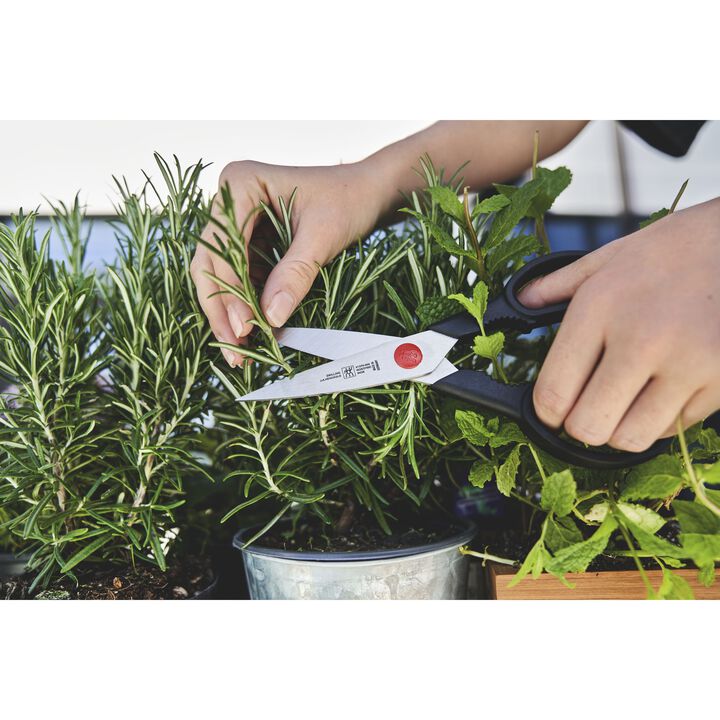
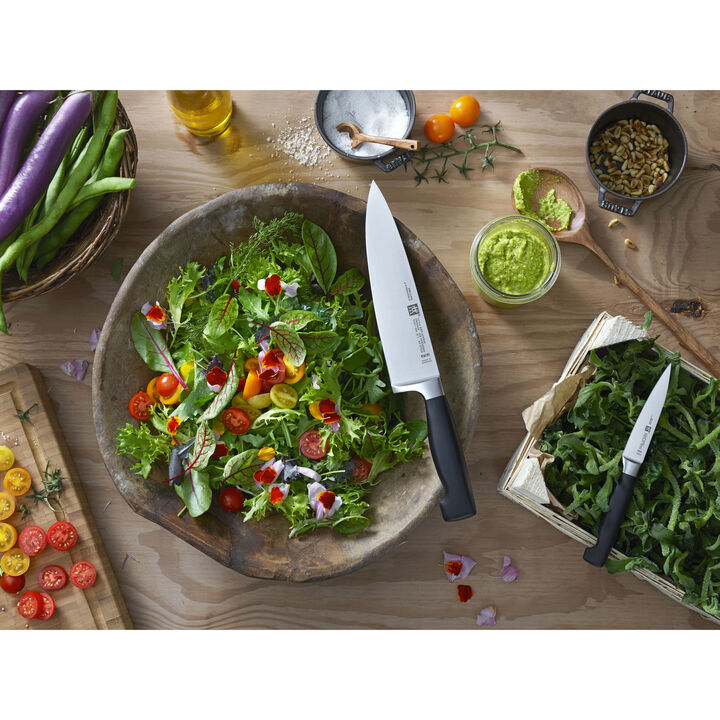
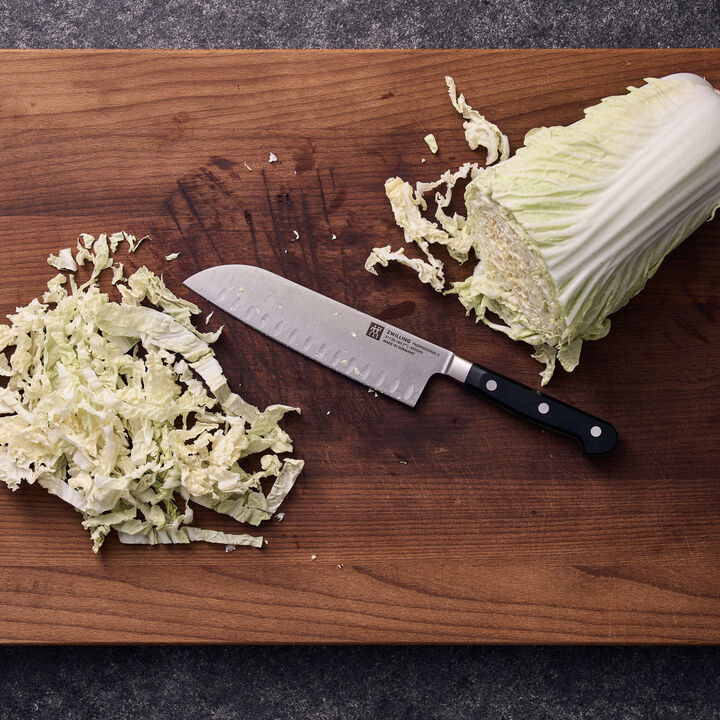
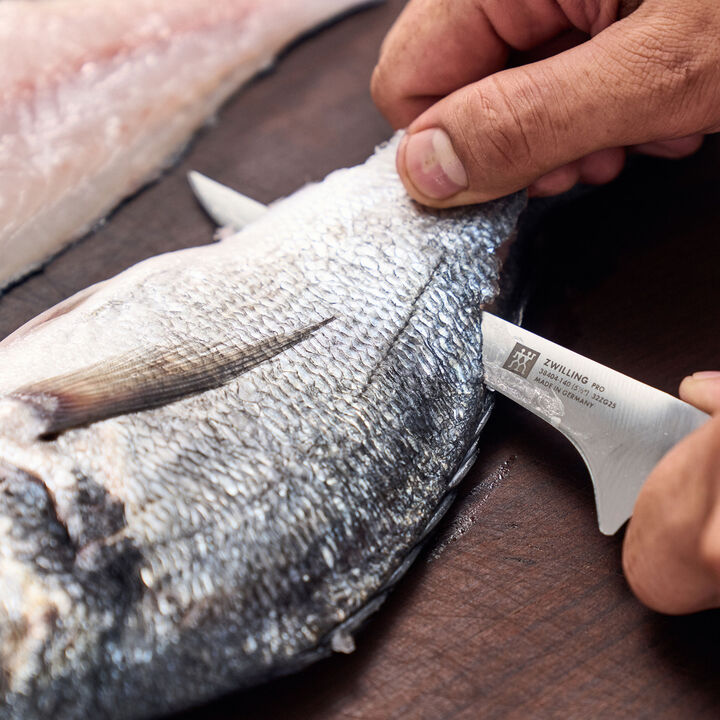
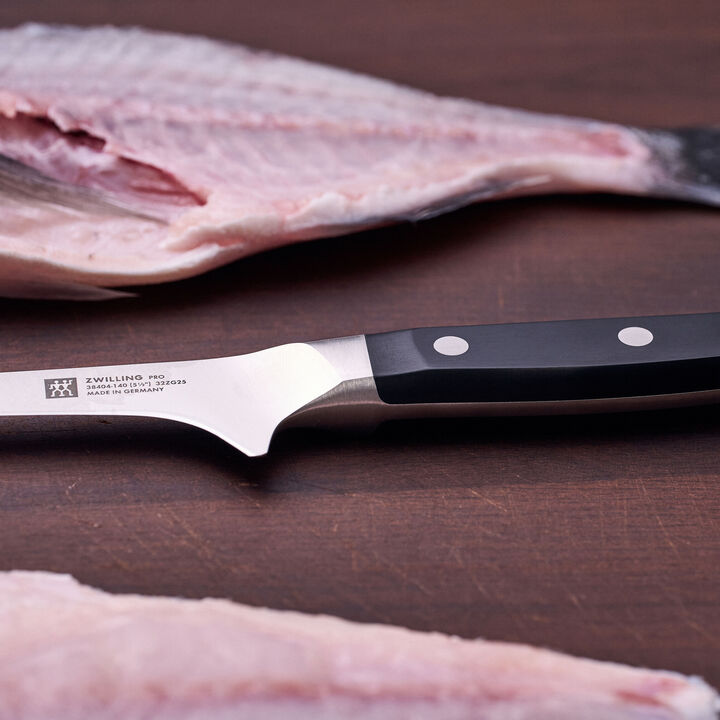
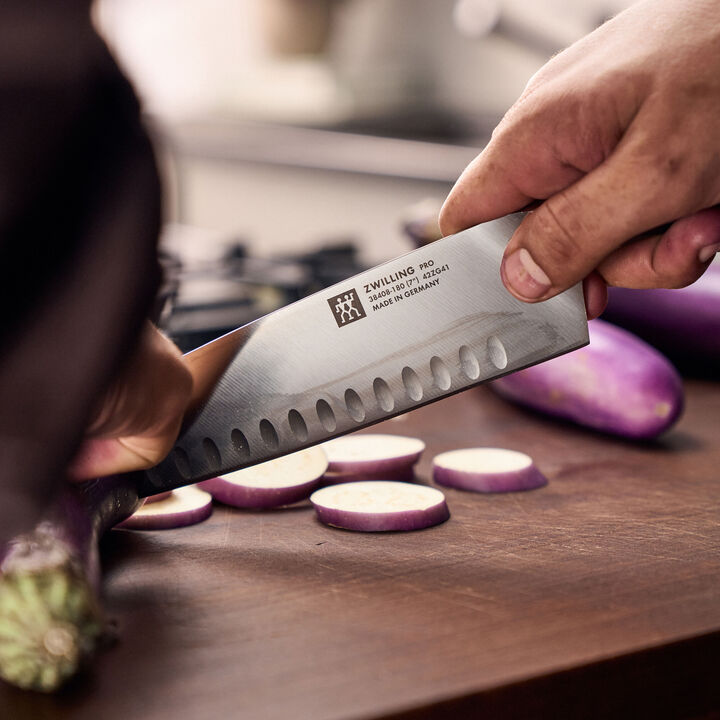
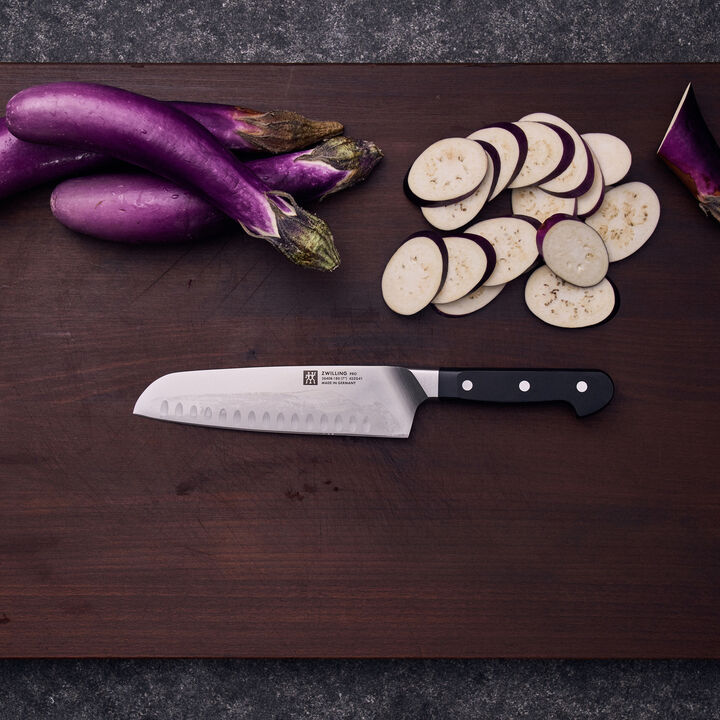
- Precise slicing of vegetables, meats, herbs, and fish
- Controlled cutting, chopping, and dicing
- Tasks that demand durability and consistent performance
Not ideal for:
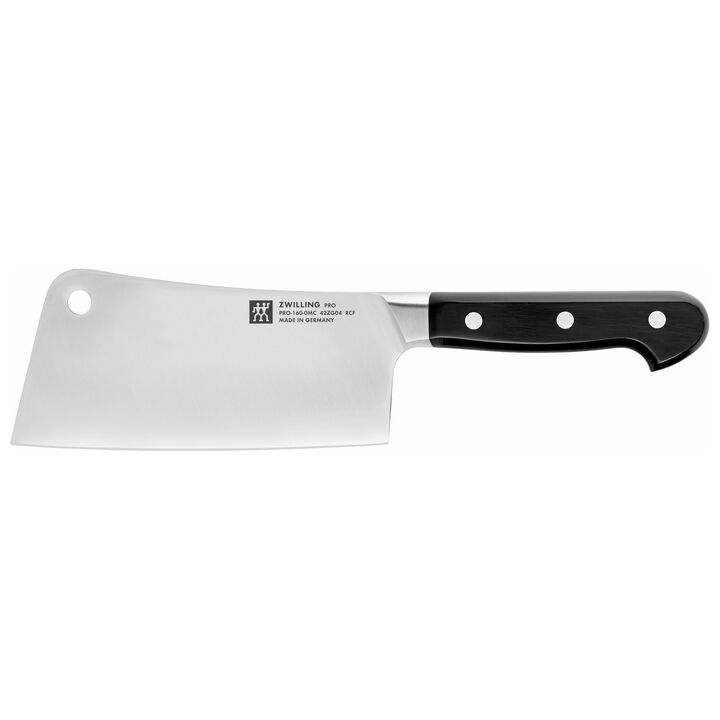
- Cutting through bones (use a cleaver instead)
- Cleaning in the dishwasher (hand-washing is strongly recommended)
- Users looking for lightweight knives
Forged vs. Stamped Knives – A Clear Comparison
| Manufacturing | Forged from a single piece of steel | Cut from sheet metal |
| Durability | Extremely durable | Less robust |
| Weight | Heavier, balanced feel | Lightweight |
| Cost | Higher investment | Budget-friendly |
| Best suited for | Frequent cooks and professionals | Casual or beginner-level cooking |
Conclusion: If you're looking for long-term quality, sharpness, and performance, forged kitchen knives are an excellent choice.
Proper Use and Care of Forged Knives
Tips for Use:
- Always cut on soft cutting boards (wood or plastic)
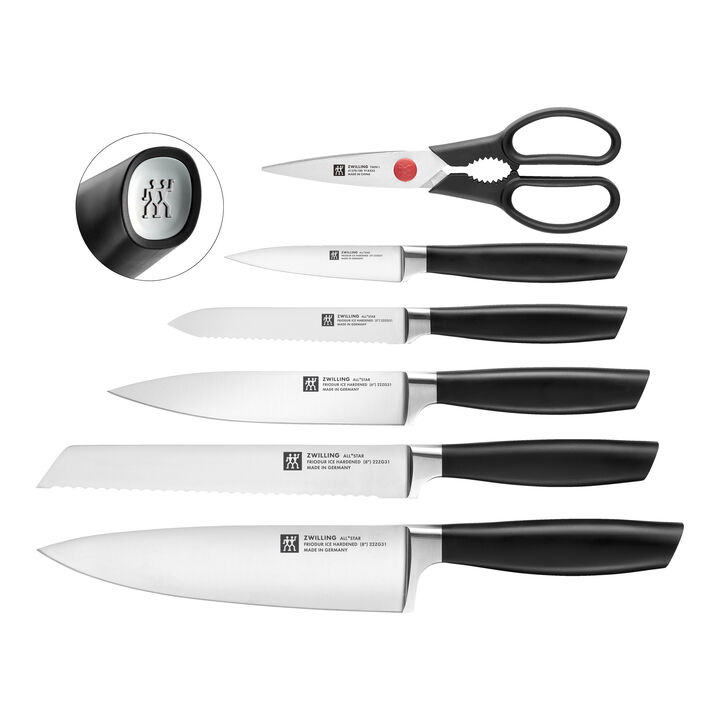
- Choose the right knife for the job (e.g., chef’s knife, carving knife, paring knife)
- Wipe the blade clean after each use to avoid corrosion
Maintenance Guidelines:
- Do not use a dishwasher, hand-washing preserves sharpness and finish
- Use a honing steel regularly to maintain the edge
- Dry thoroughly after washing to prevent rust
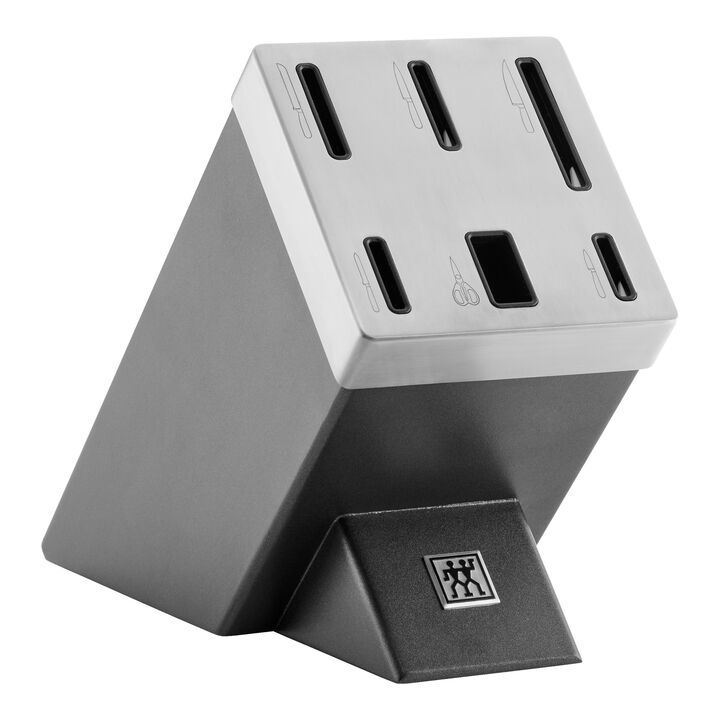
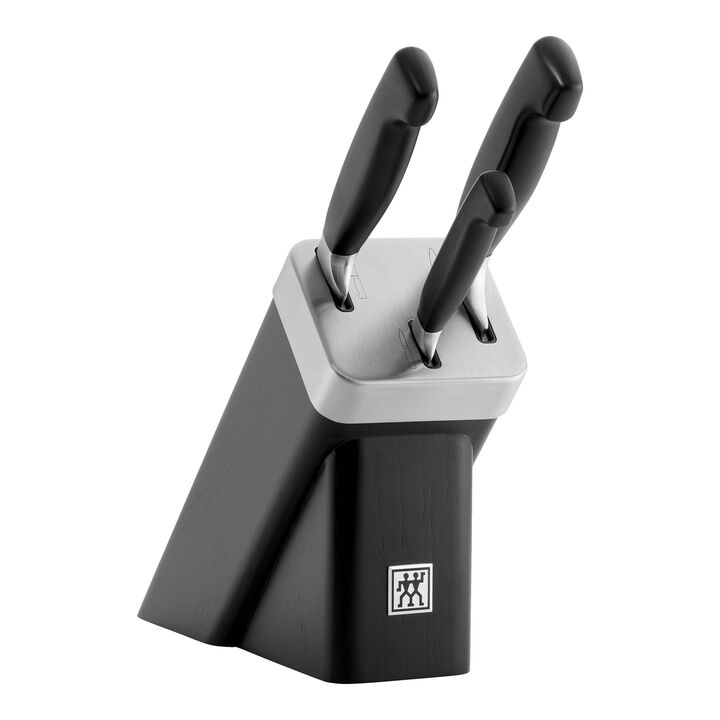
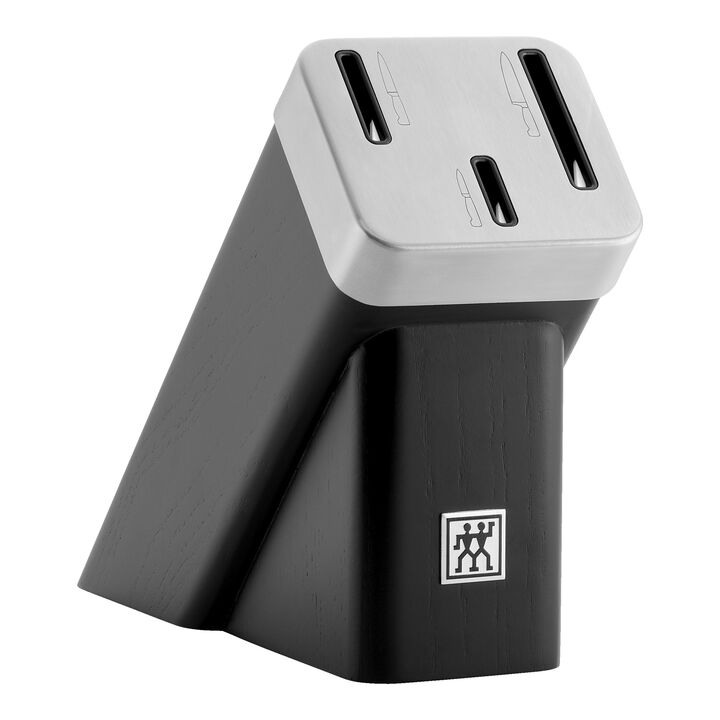
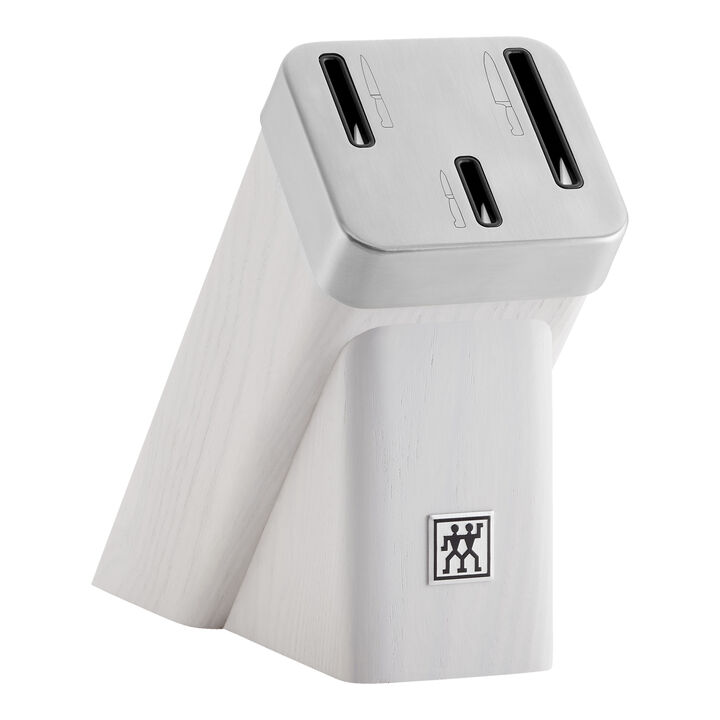
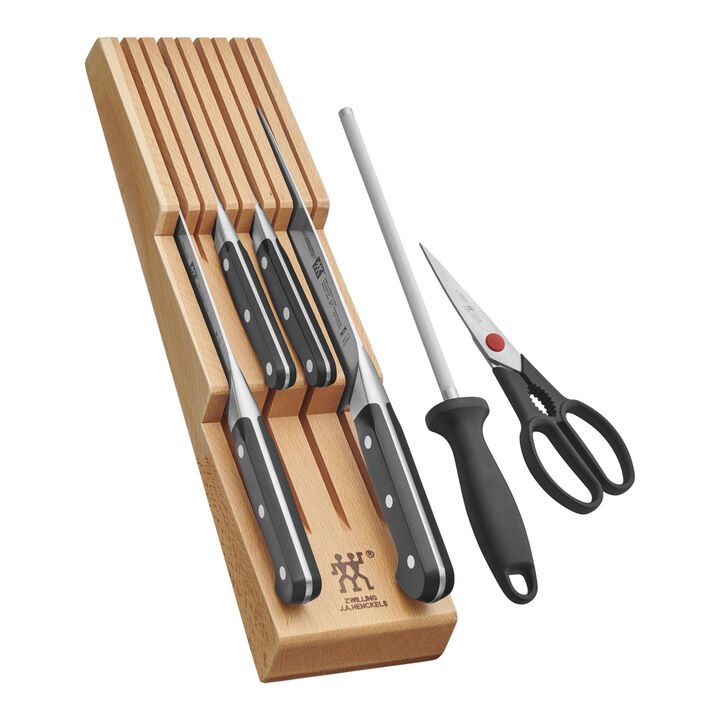
- Store safely in a knife block or on a magnetic knife bar
- Oil wooden handles occasionally to keep them in top shape
Why Choose a Forged Knife from ZWILLING?
ZWILLING forged knives are trusted by chefs around the world for their precision, durability, and timeless design. Whether you're preparing everyday meals or gourmet dishes, you'll appreciate the control and reliability a forged knife provides.


