


Cast Iron Pans
Cast iron pans have stood the test of time as essential kitchen tools, prized for their exceptional heat retention, durability, and versatility. Whether you're a professional chef or a passionate home cook, a high-quality cast iron skillet offers unmatched performance for searing, frying, baking, and slow cooking. ZWILLING’s cast iron cookware embodies these qualities, combining traditional craftsmanship with modern innovation to deliver pans that enhance every cooking experience. From perfectly seared steaks to golden skillet cornbread, these pans are designed to elevate your culinary creations with consistent heat distribution and lasting reliability.
ZWILLING’s range of cast iron pans caters to diverse cooking needs, featuring both enamelled and uncoated options to suit different preferences. Their enamelled cast iron skillets offer easy maintenance and are ideal for cooking acidic foods like tomato sauce, while their bare cast iron pans develop a naturally nonstick surface through seasoning and use. With attention to detail such as rounded edges, helper handles, and oven-safe designs, ZWILLING cast iron pans are built to be versatile, durable, and an indispensable part of your kitchen arsenal for years to come.
cookware
All Filters
Flyout with all filters and corresponding filter values listed
Cookware > Pans > Cast Iron Pans
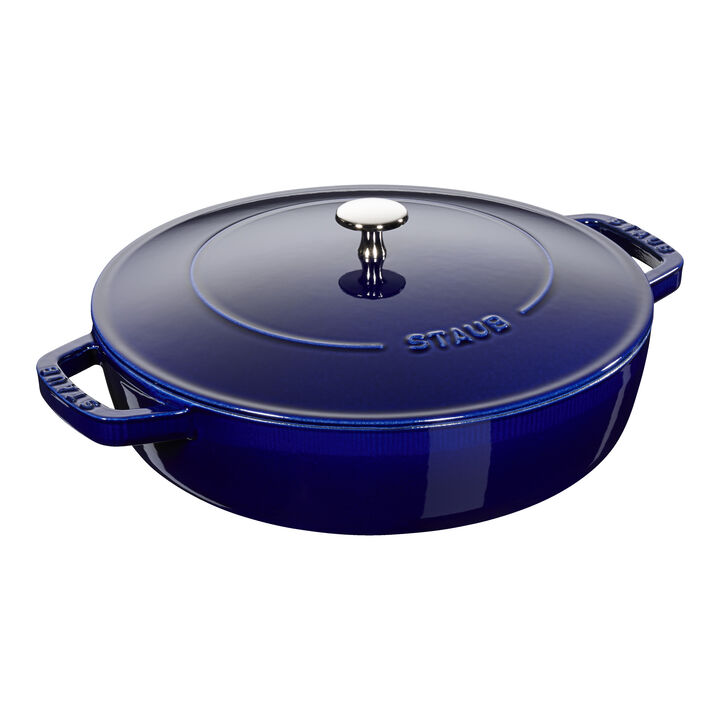
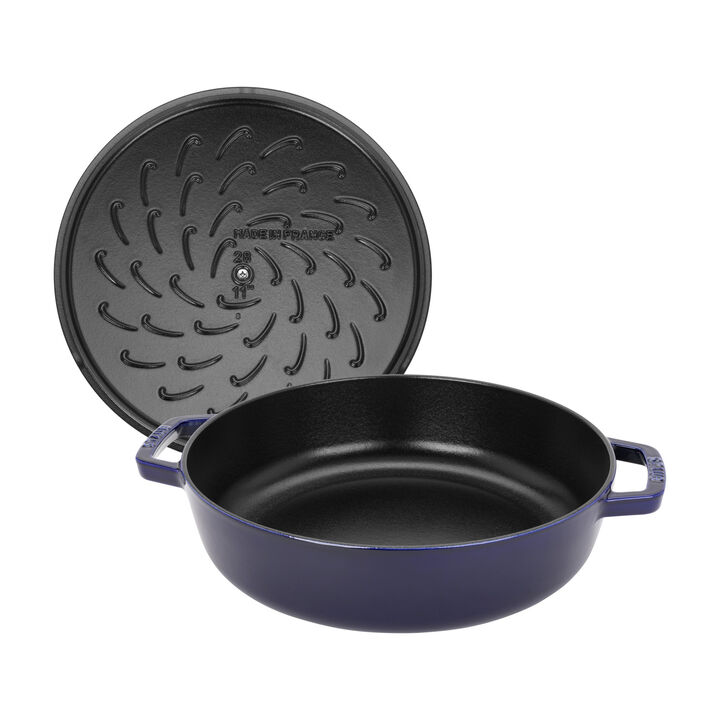
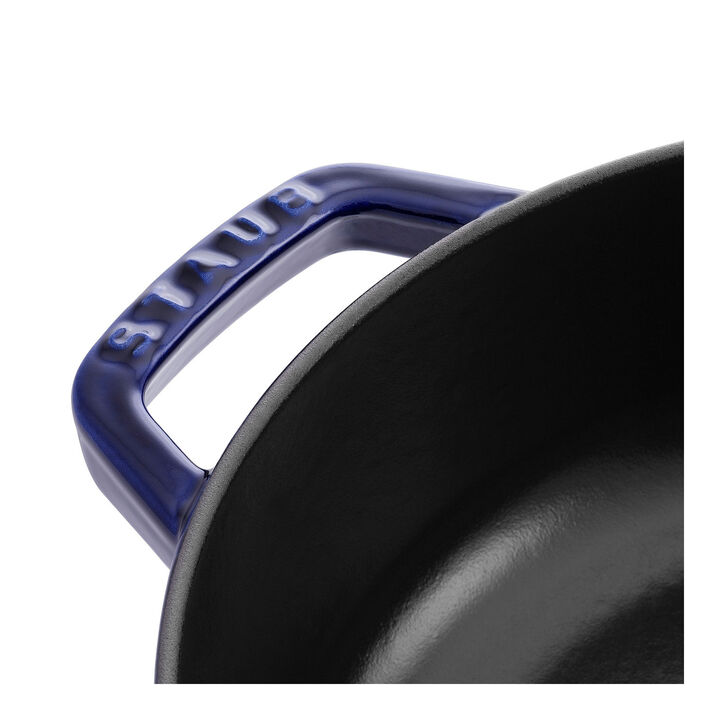
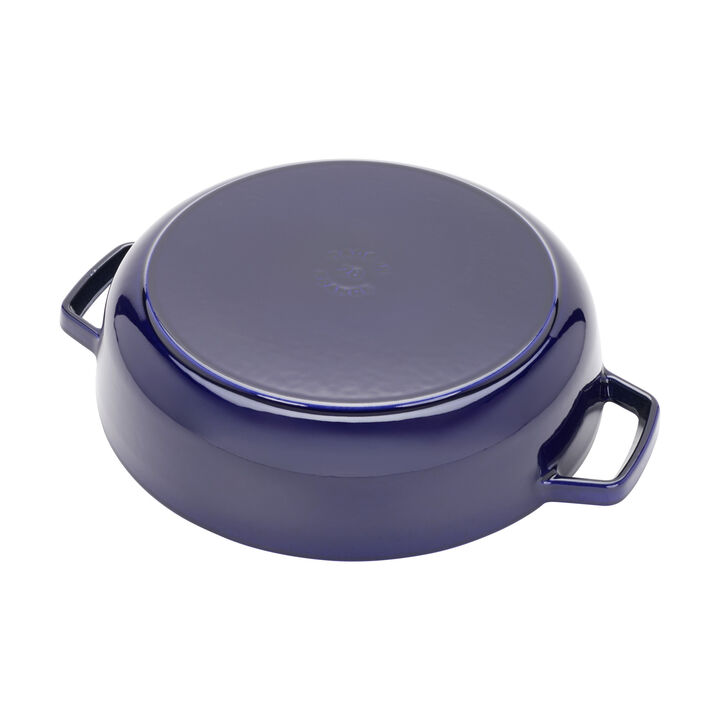

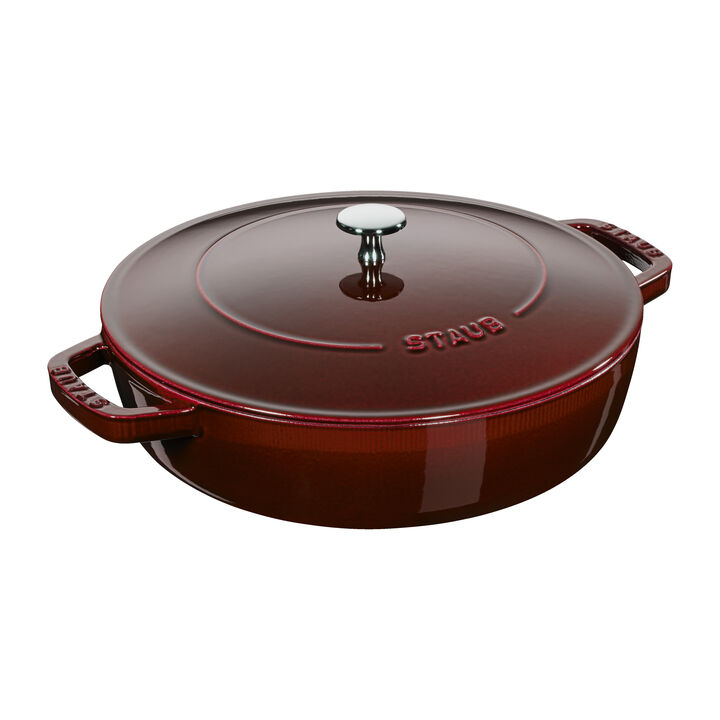
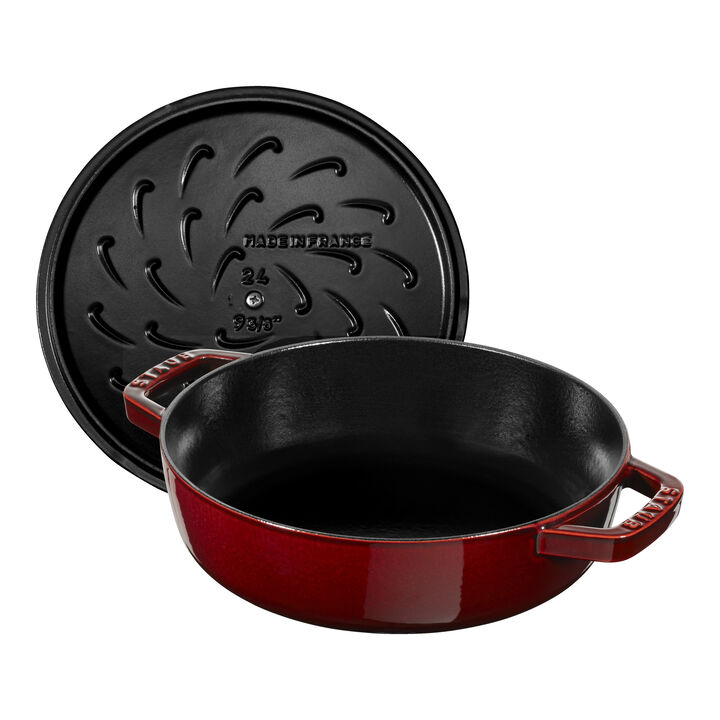
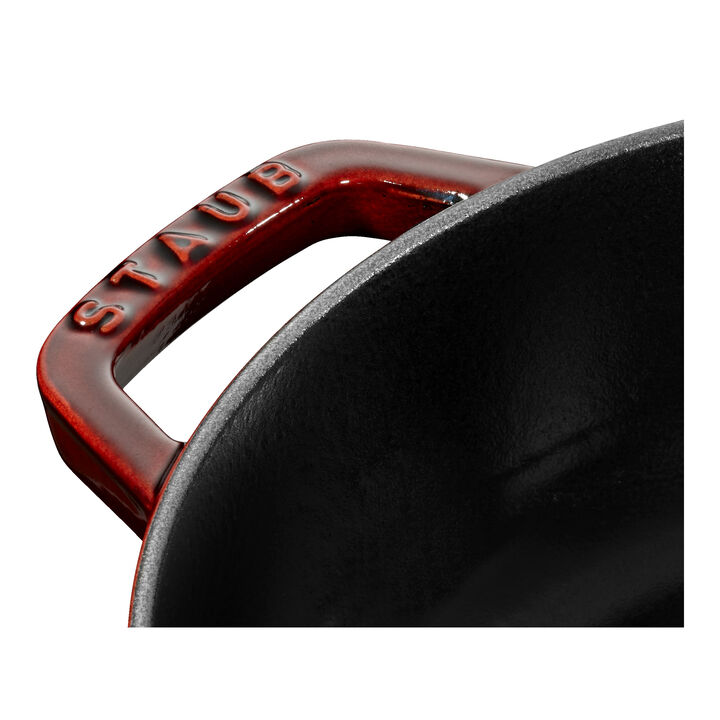
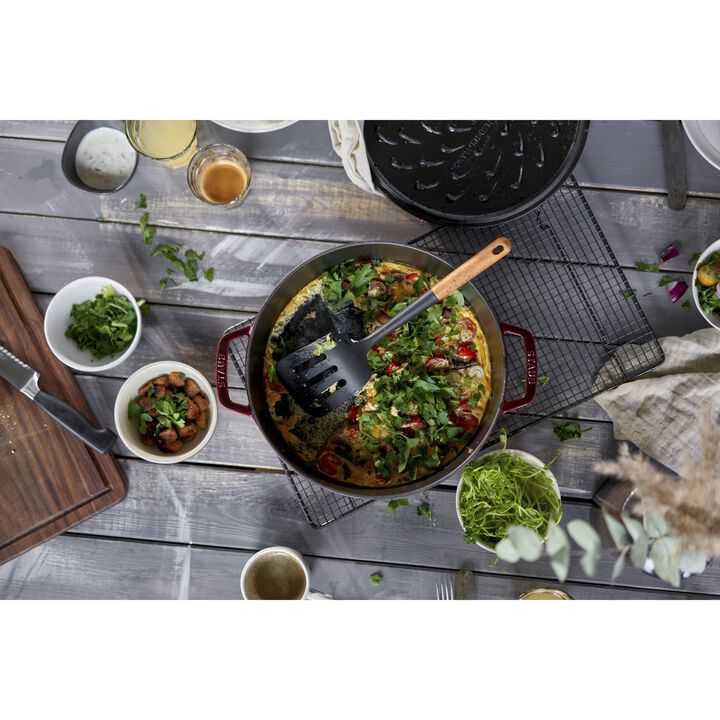
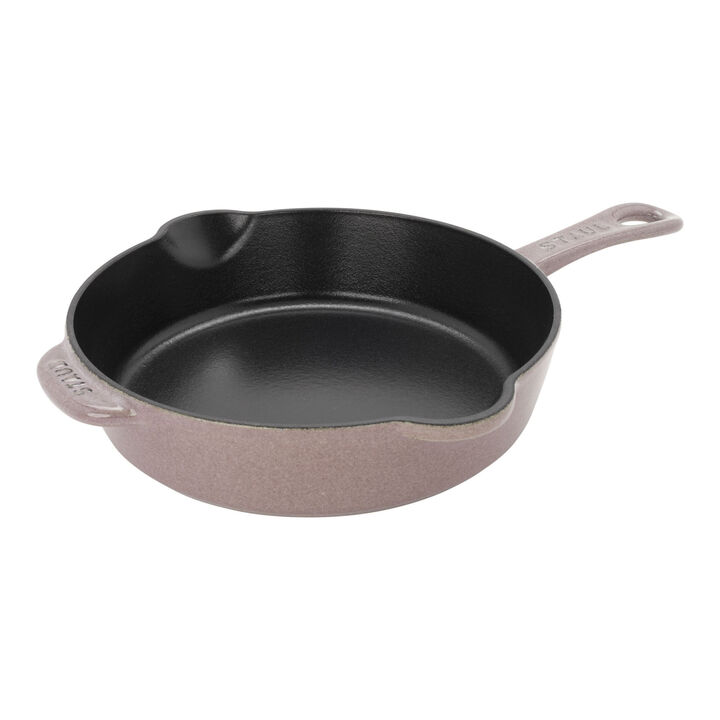
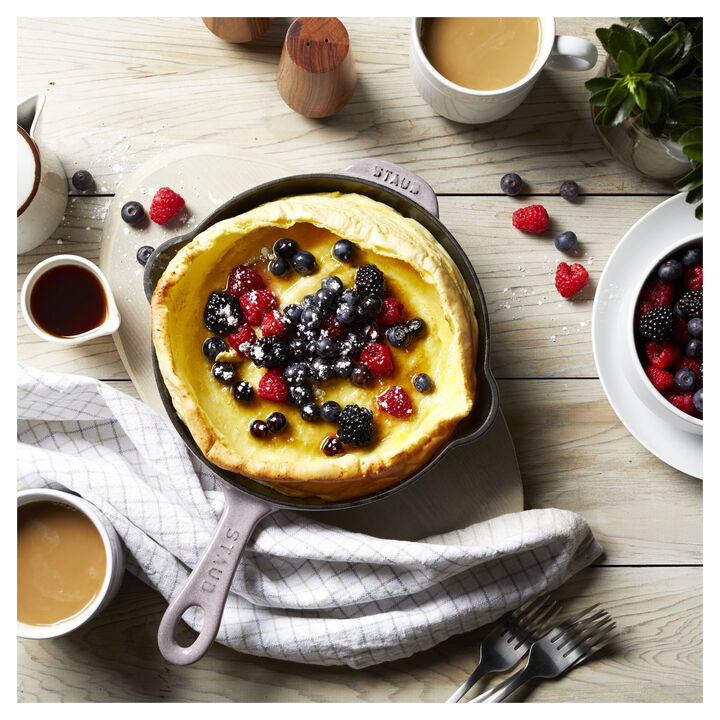
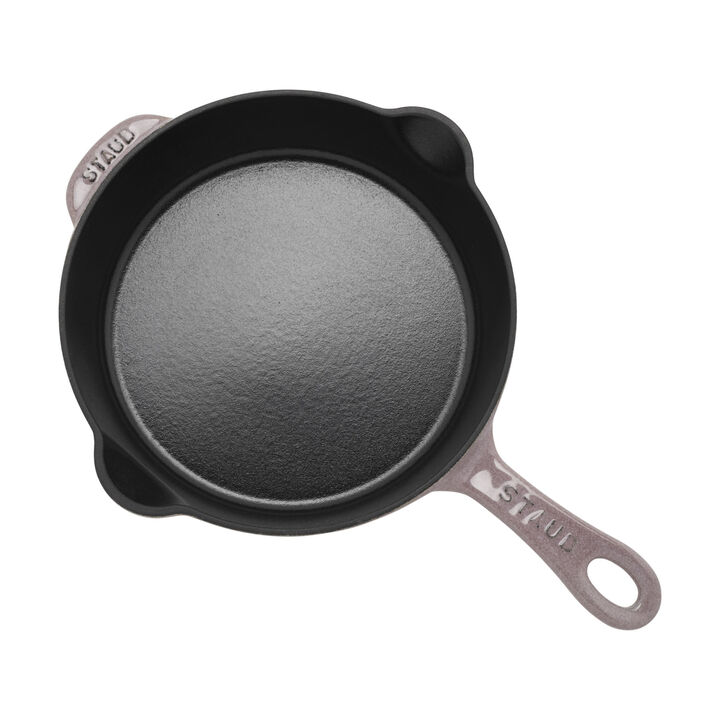
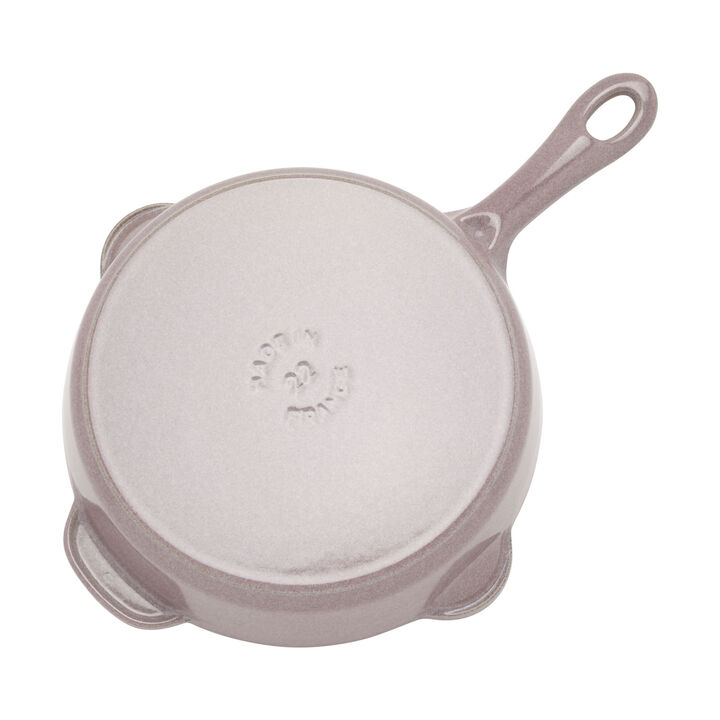


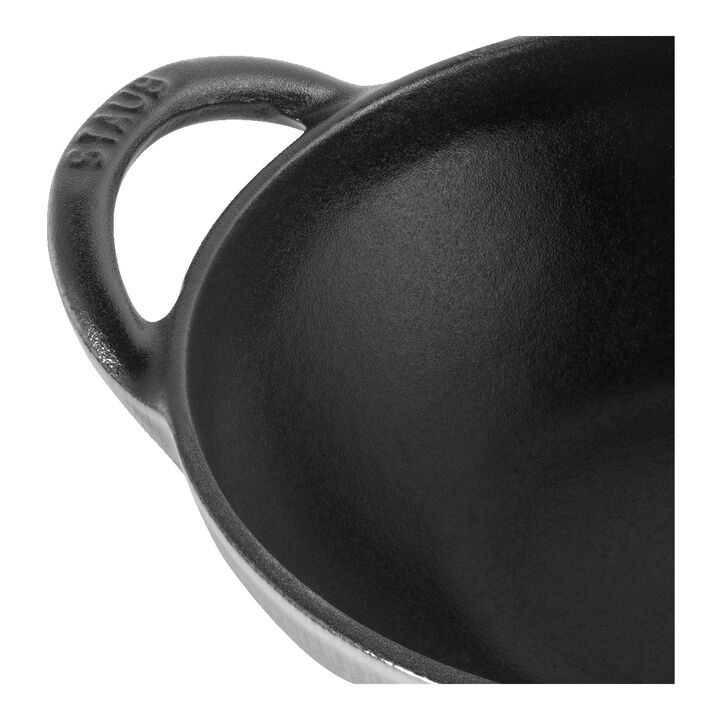

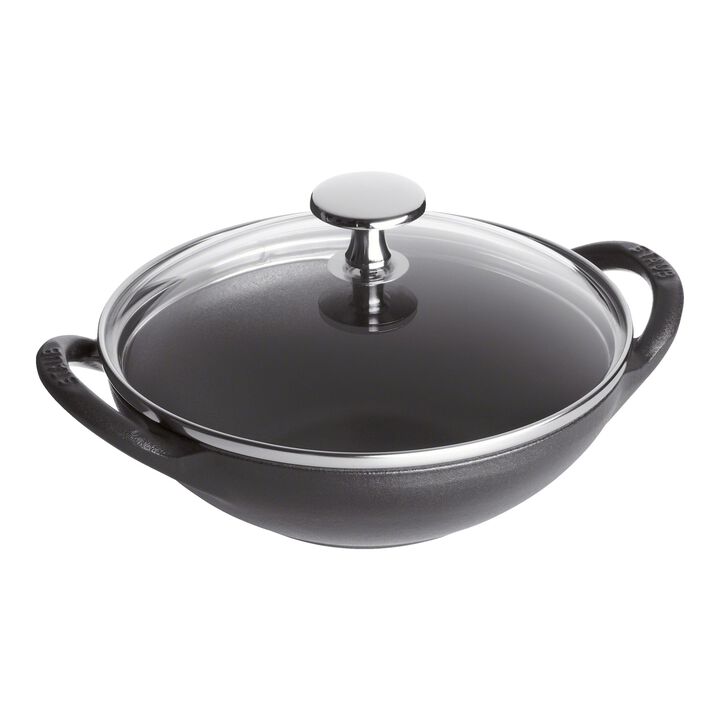
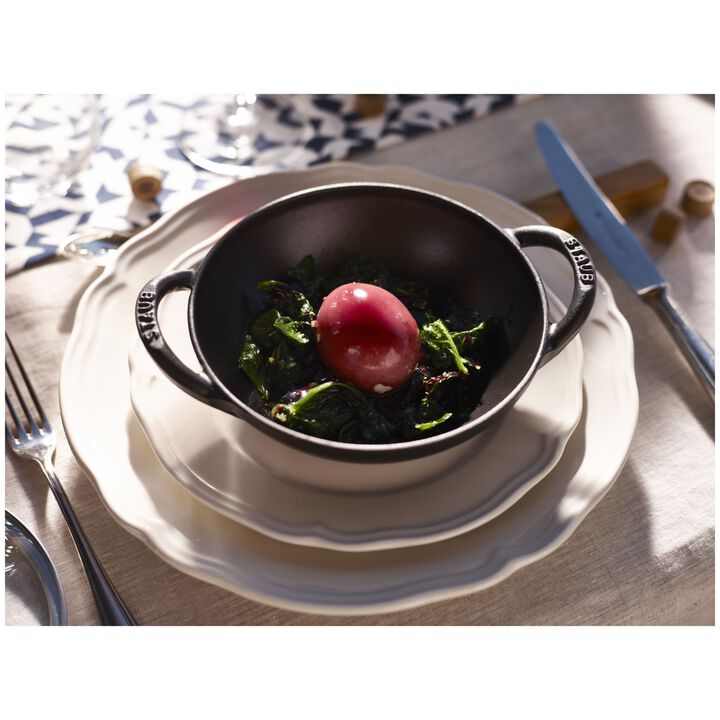
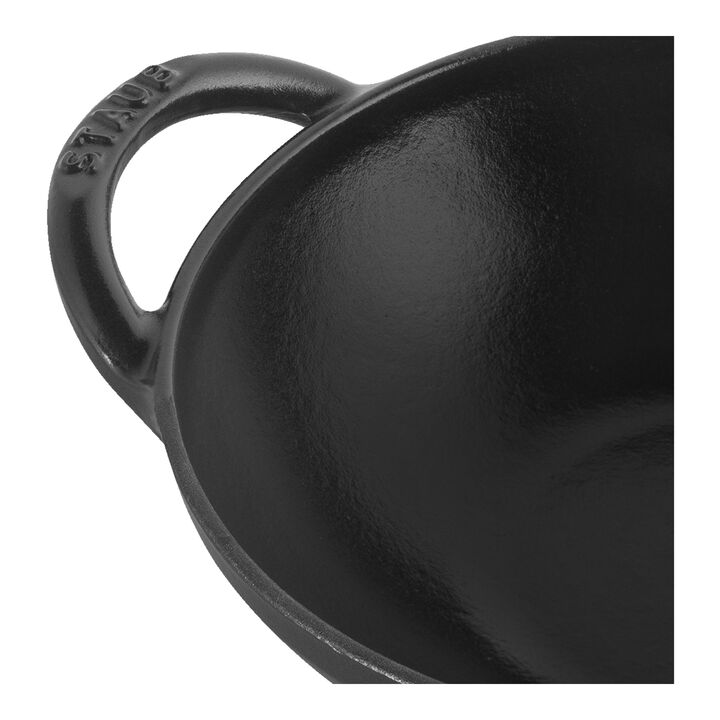
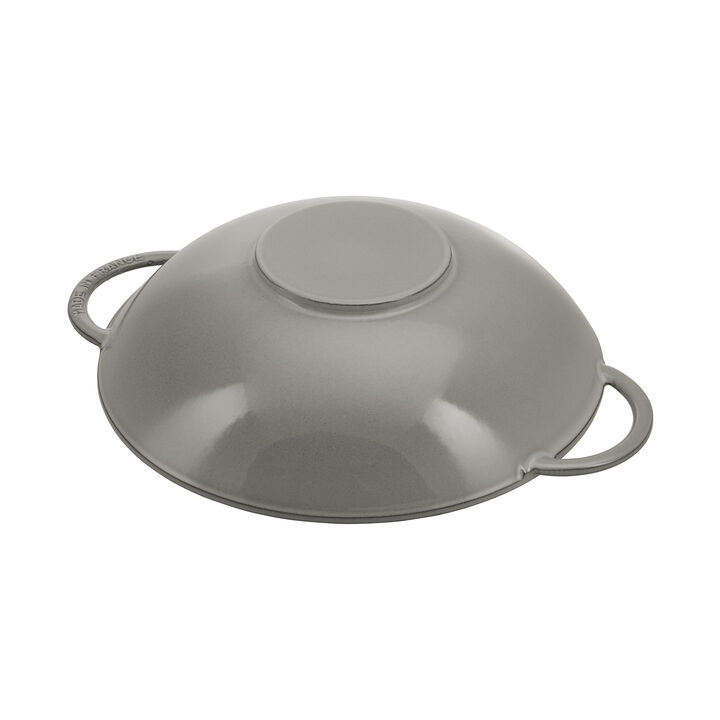

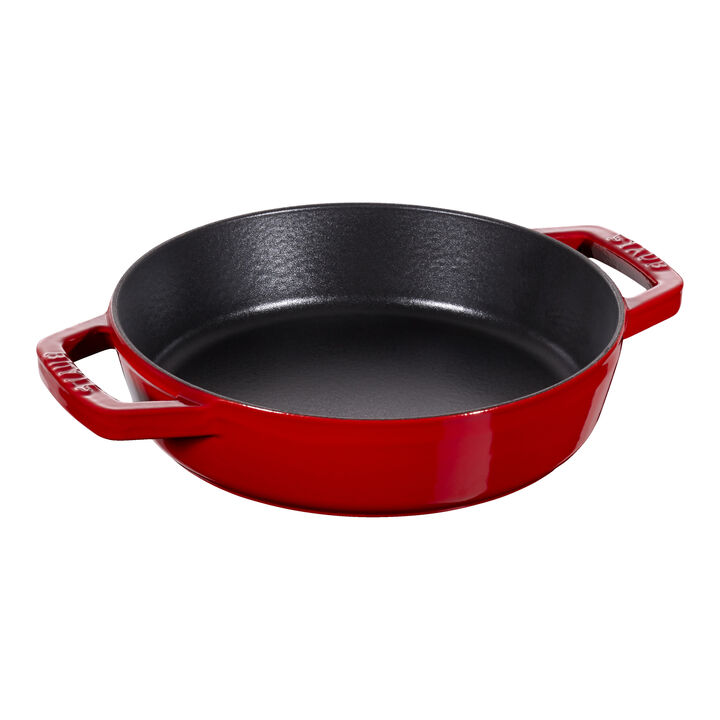
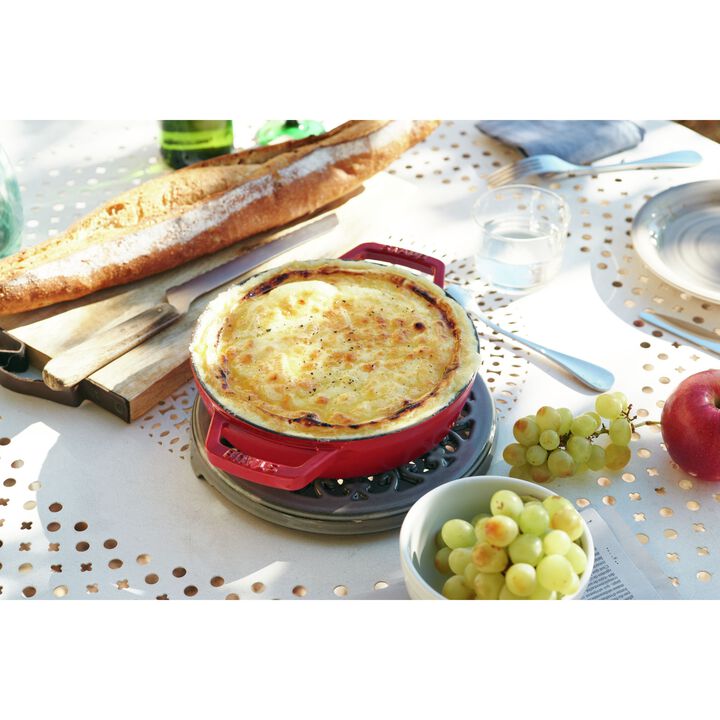
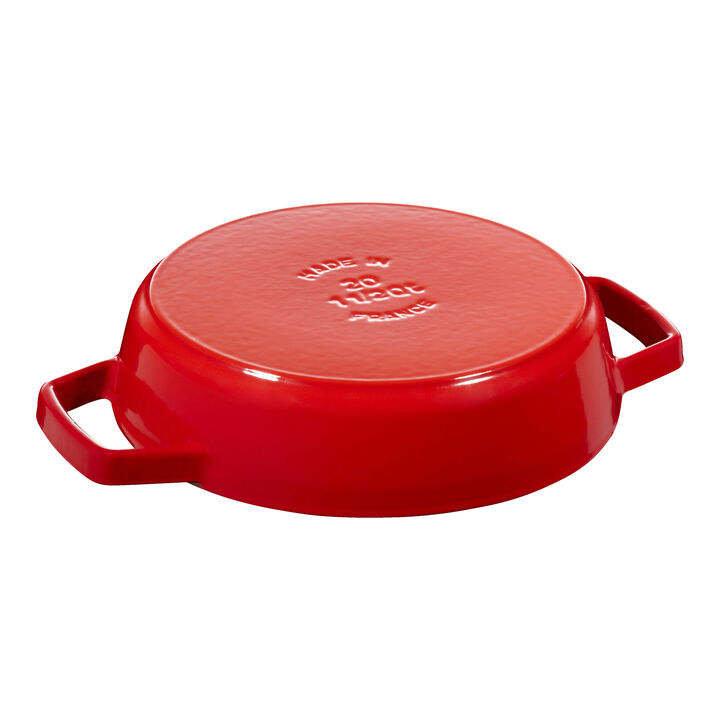
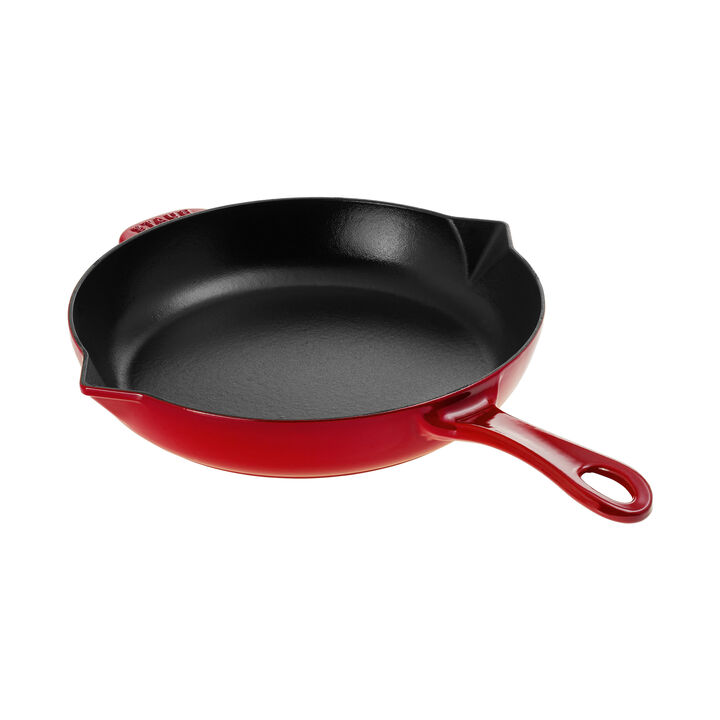

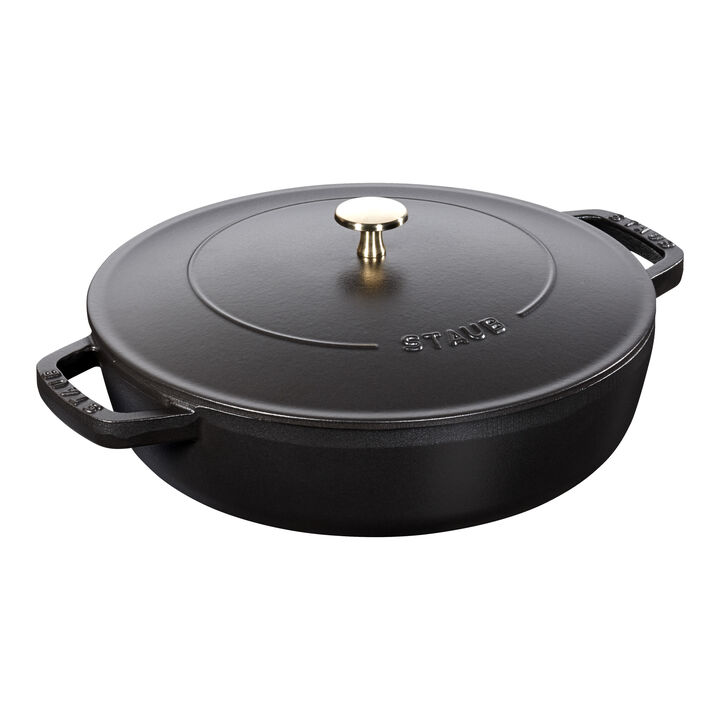
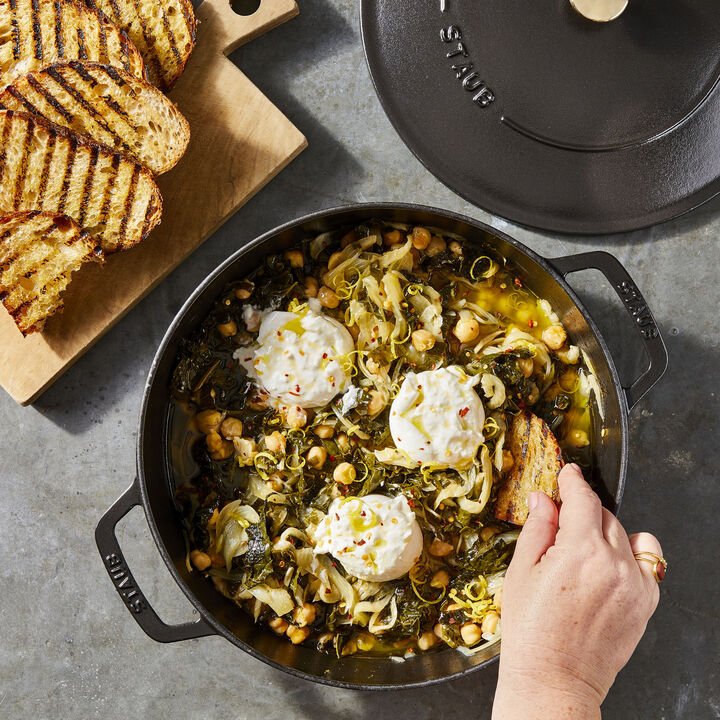
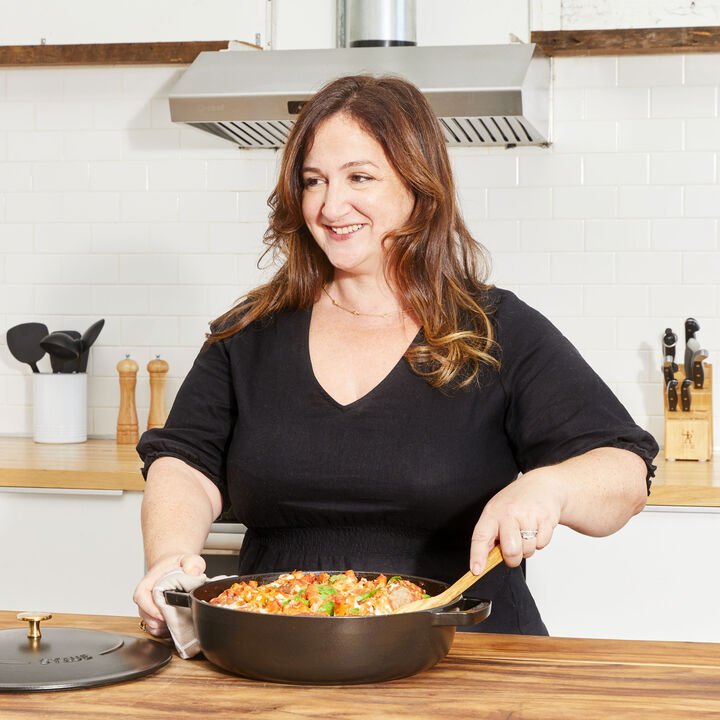
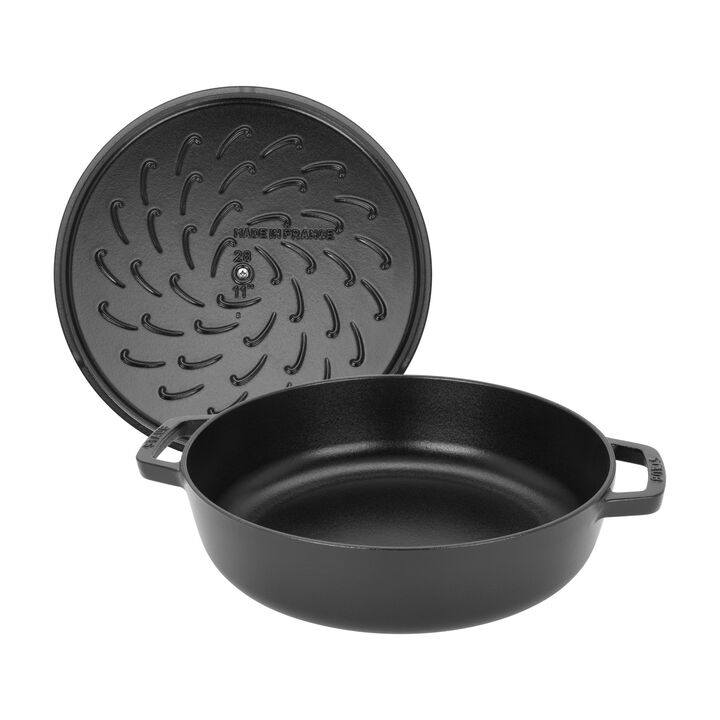
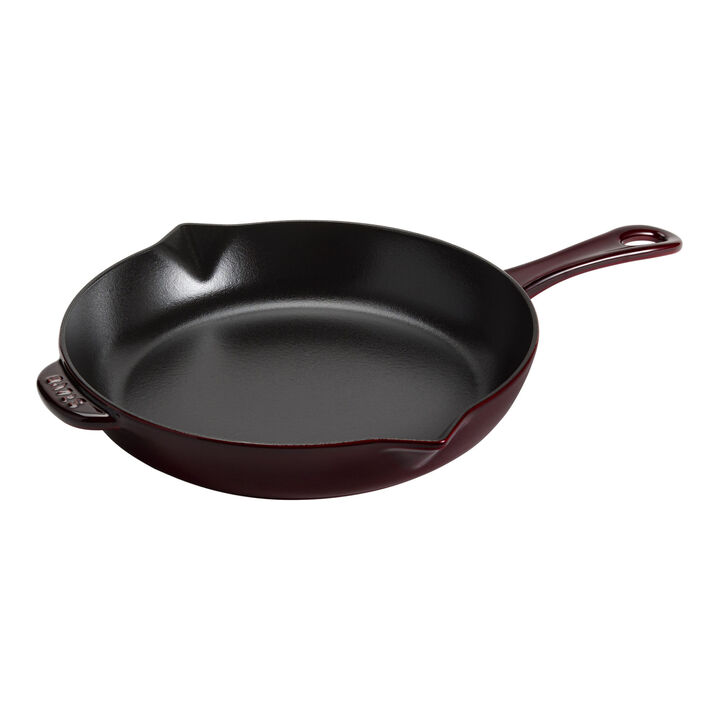
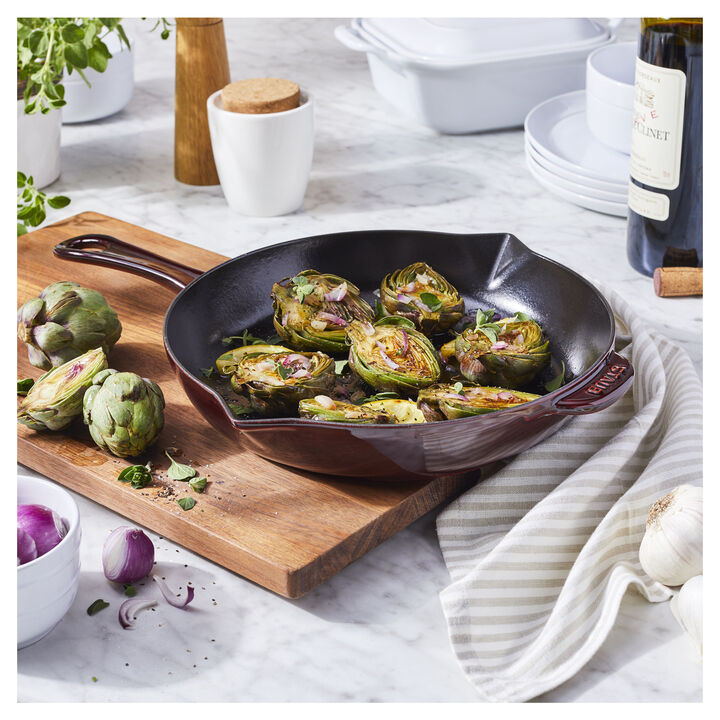
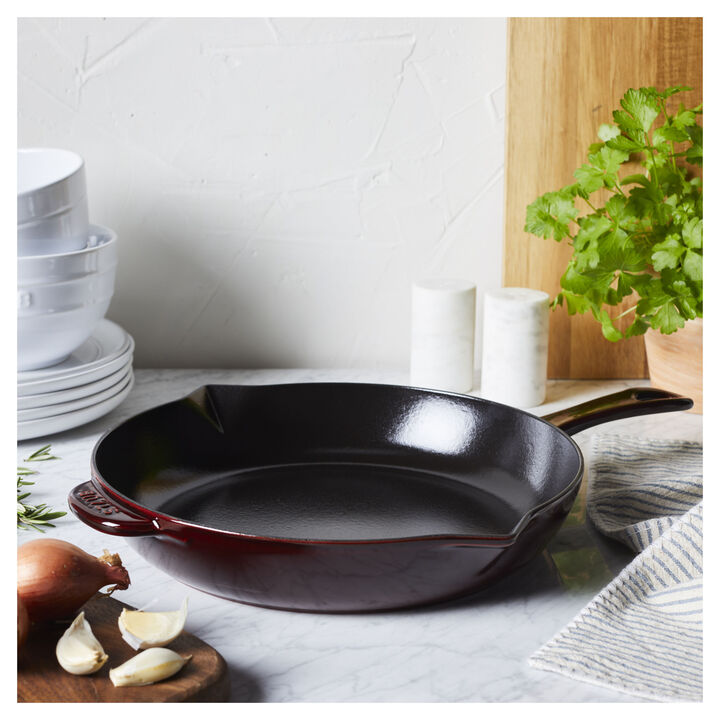
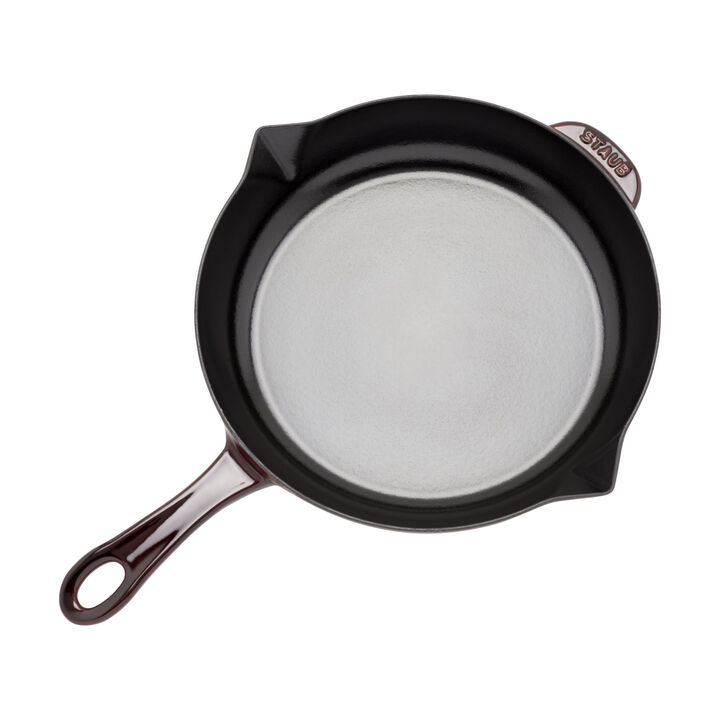
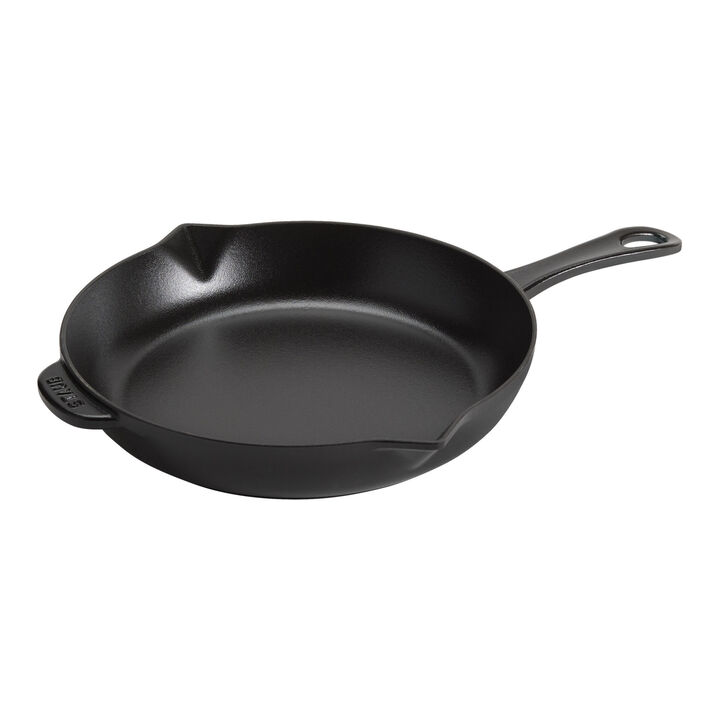
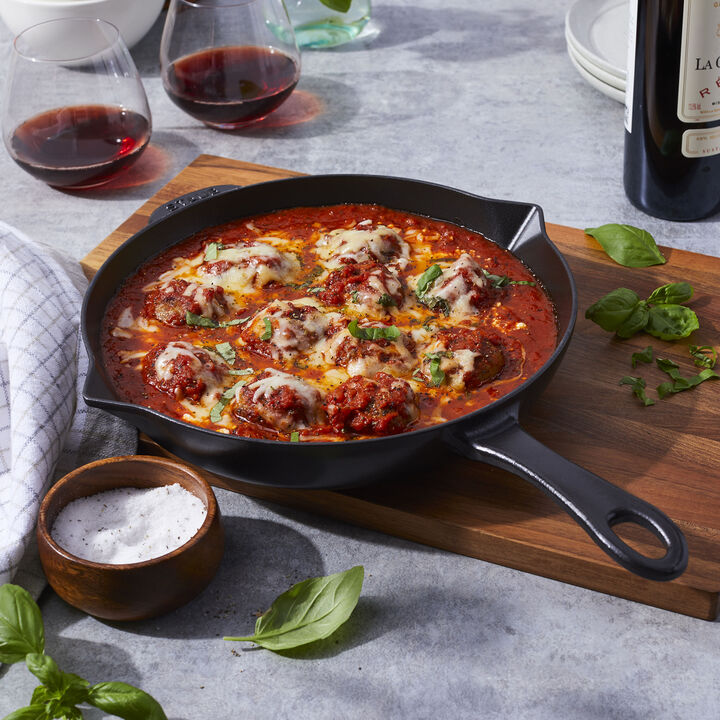
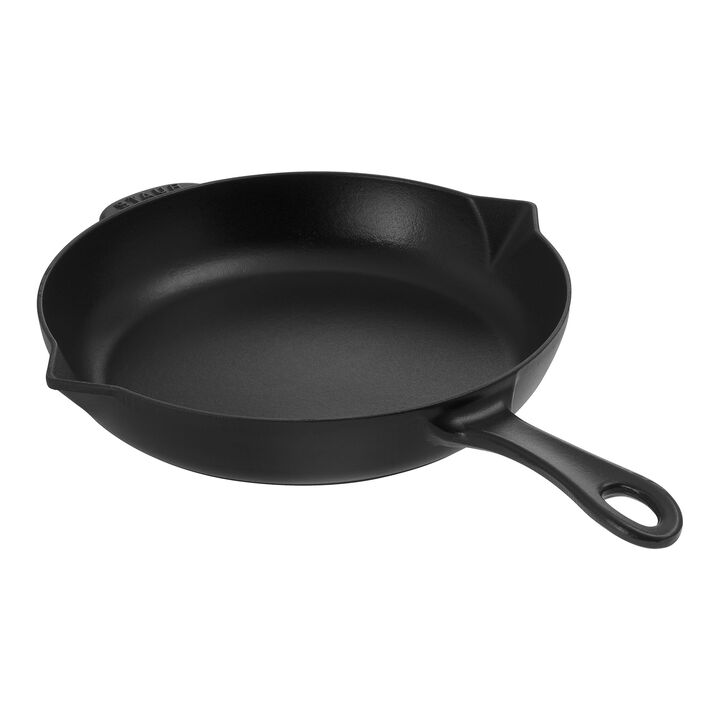
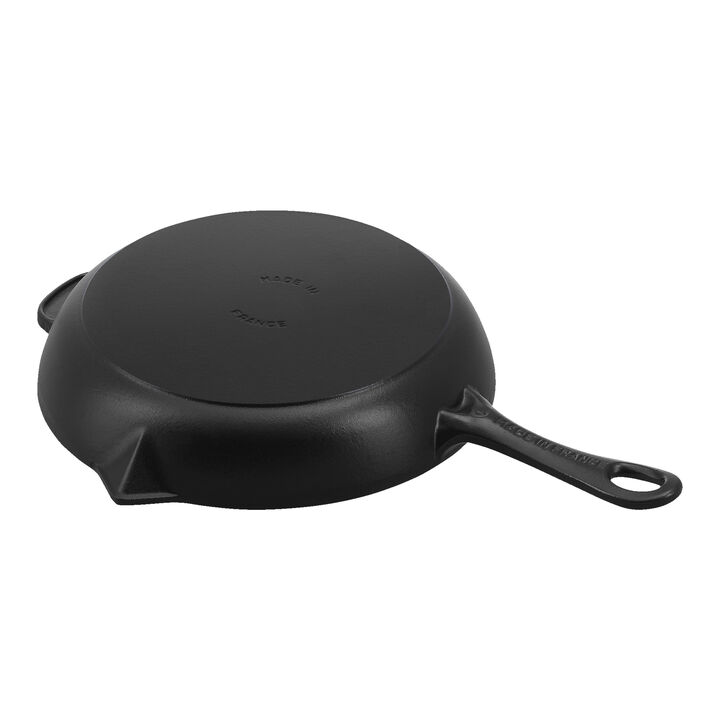
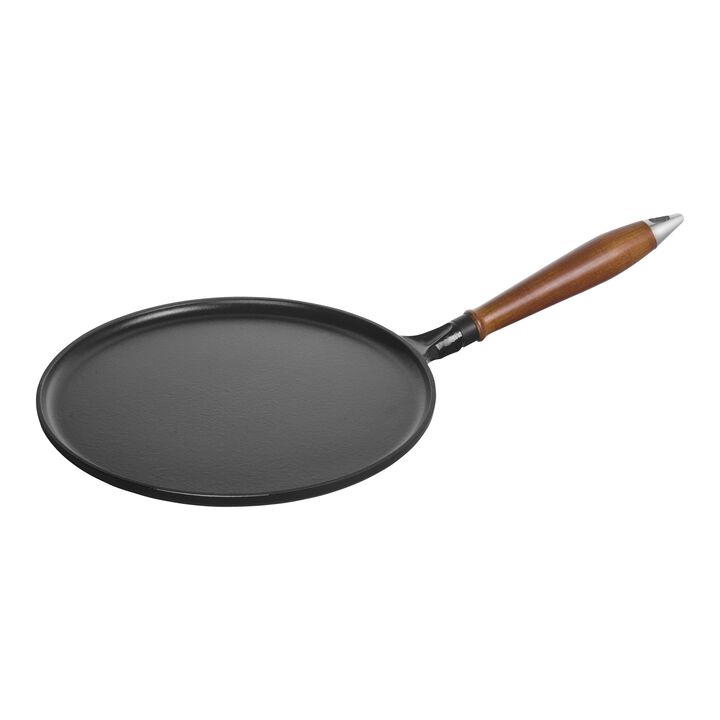
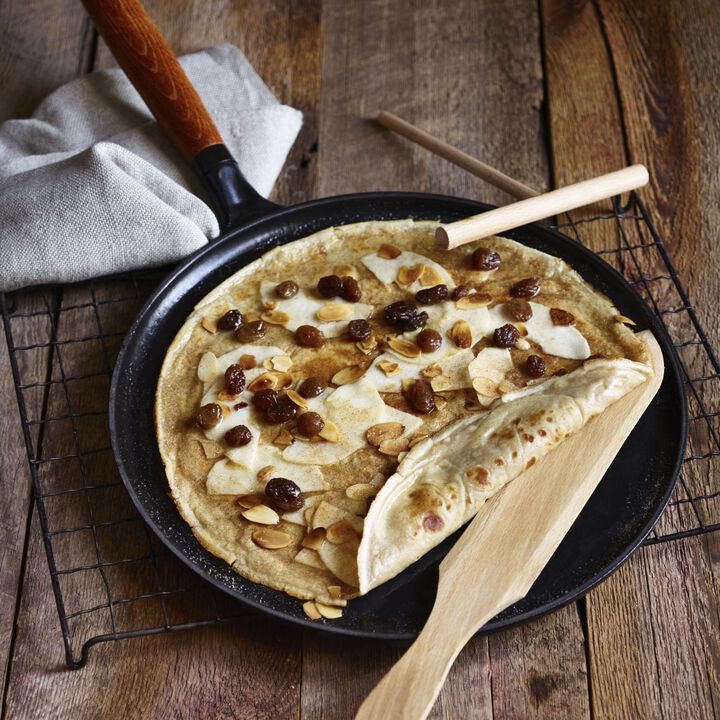
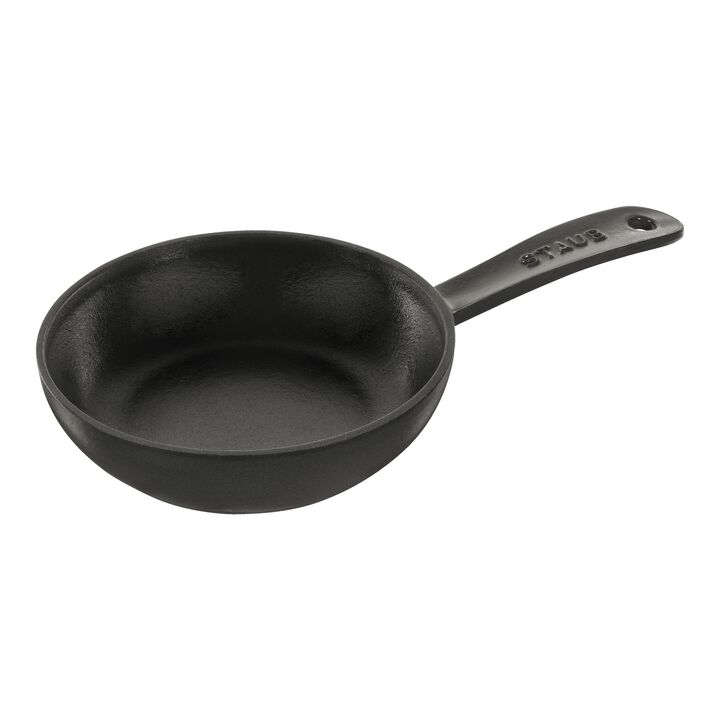
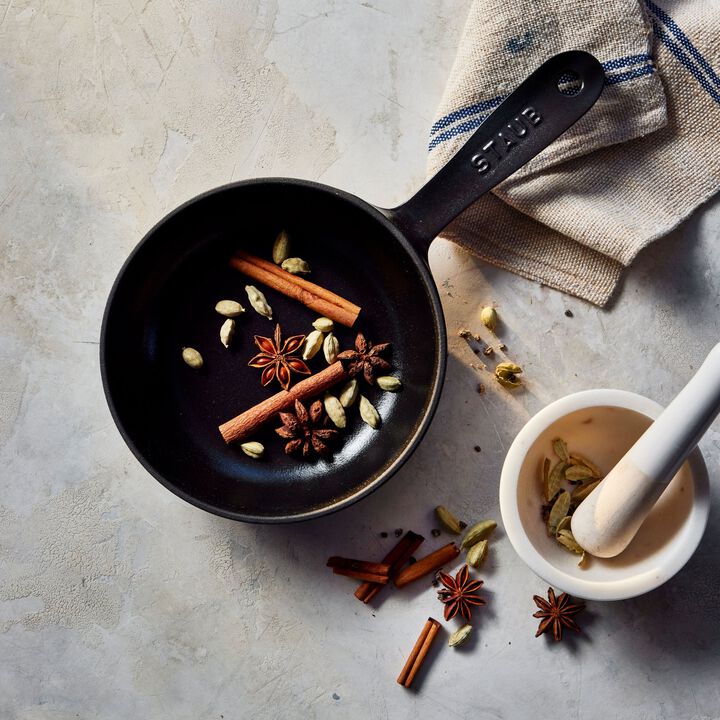
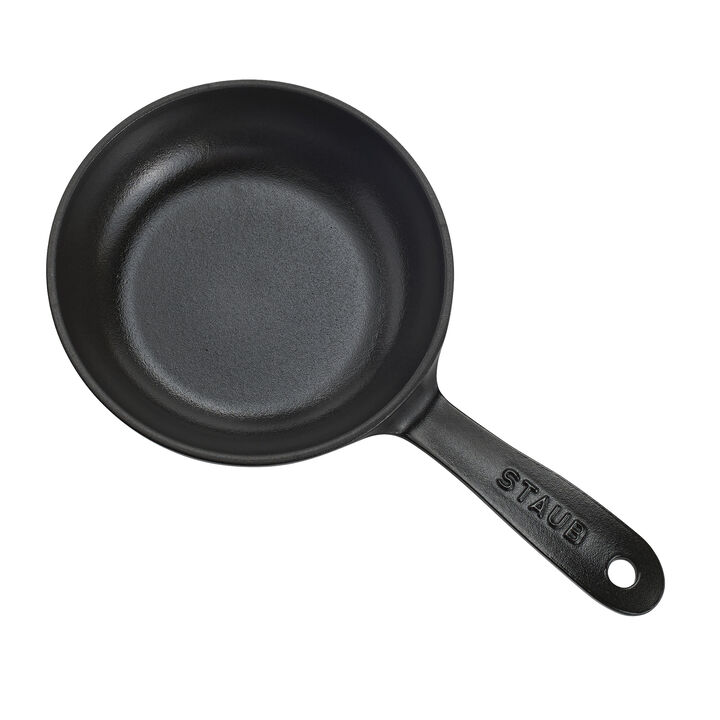
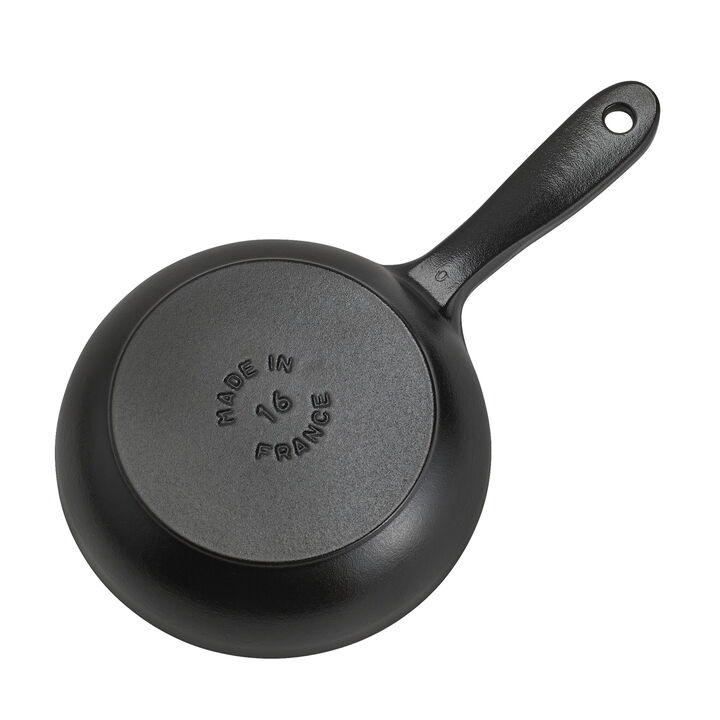

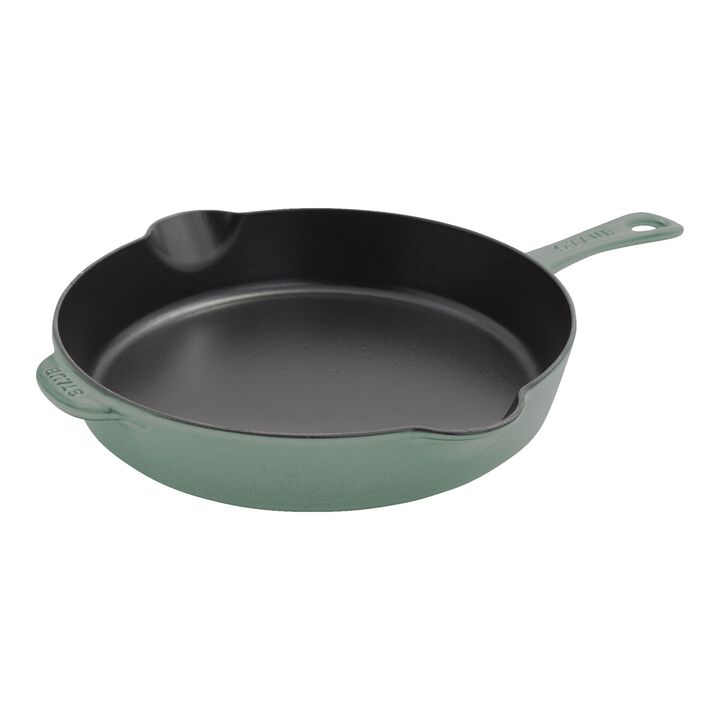
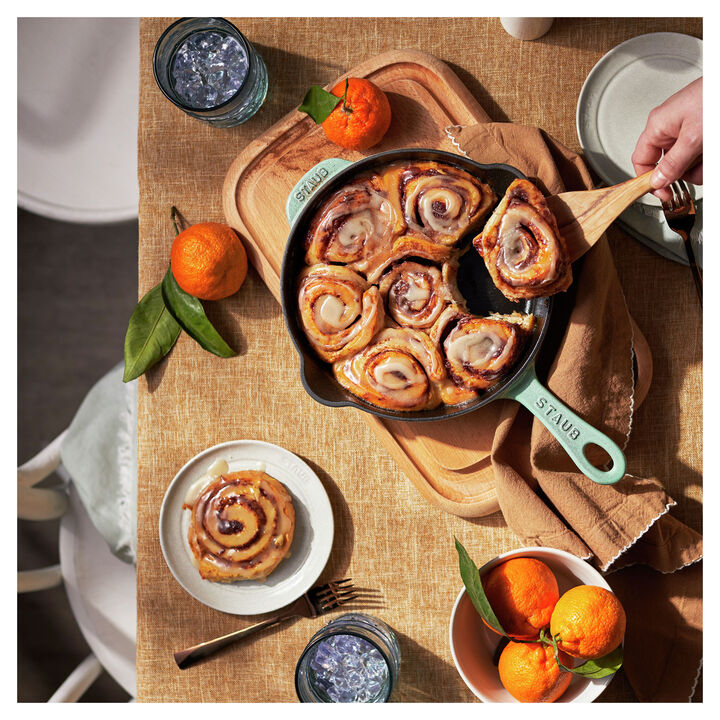
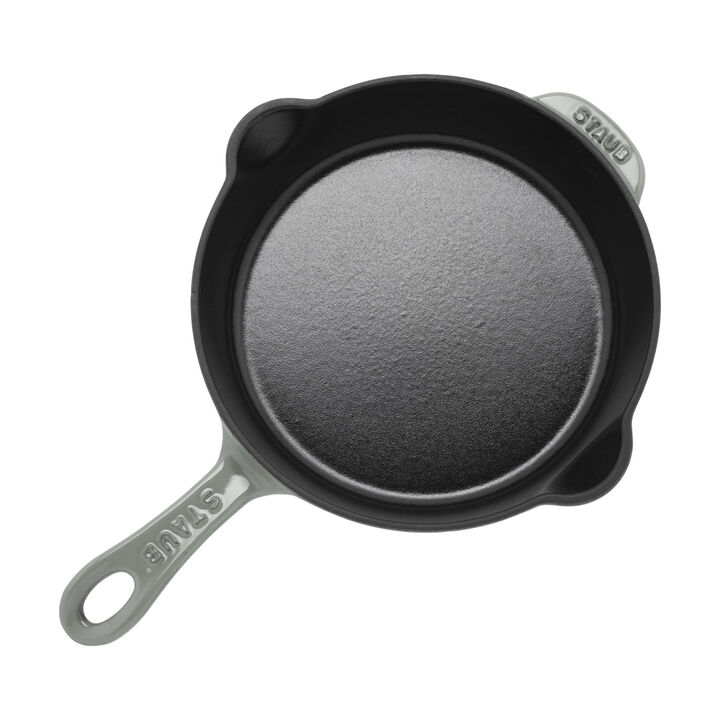
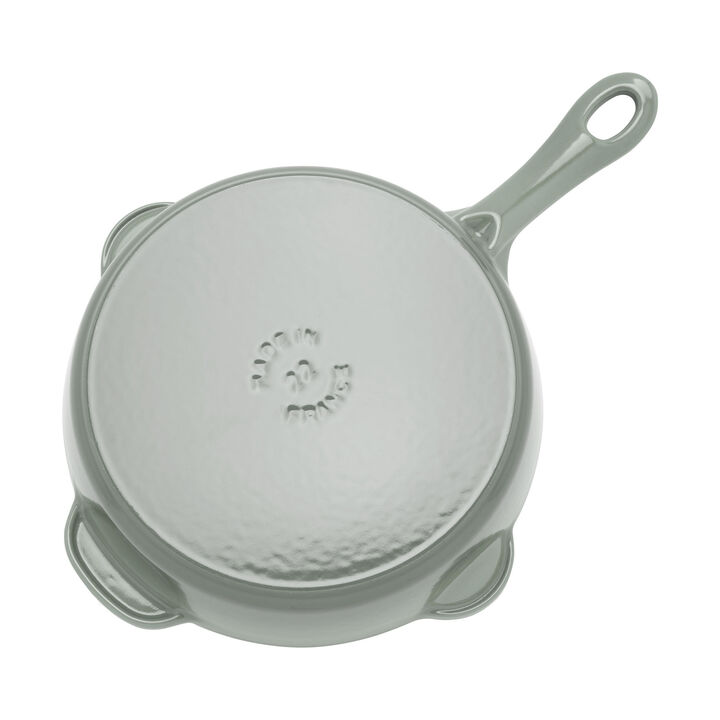
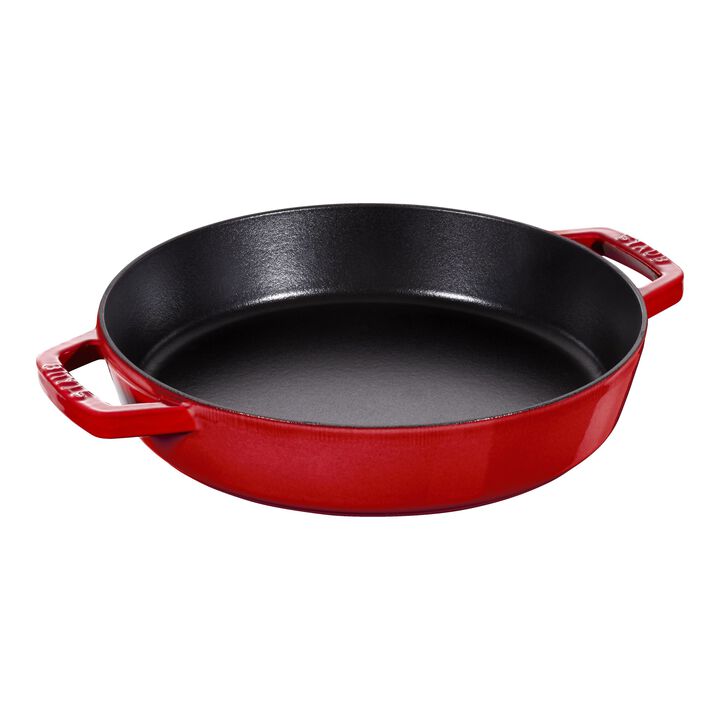
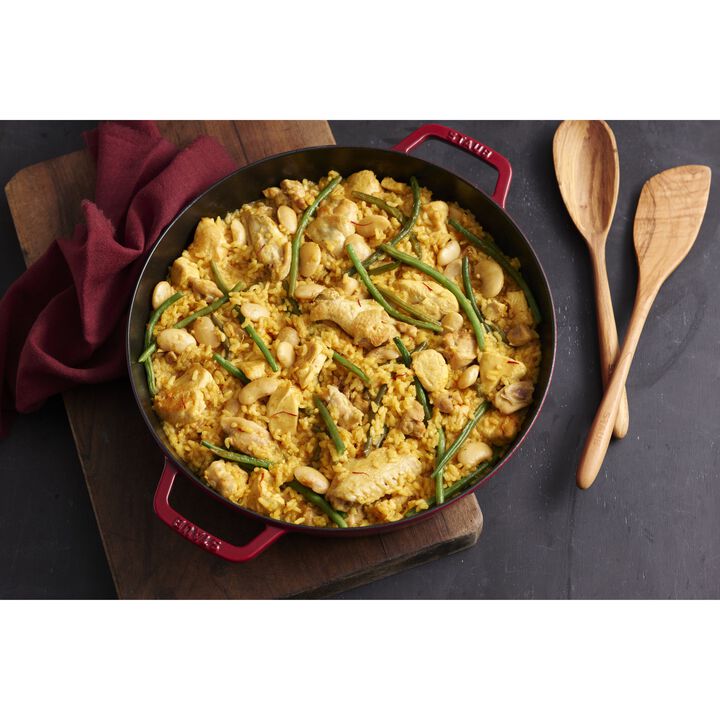

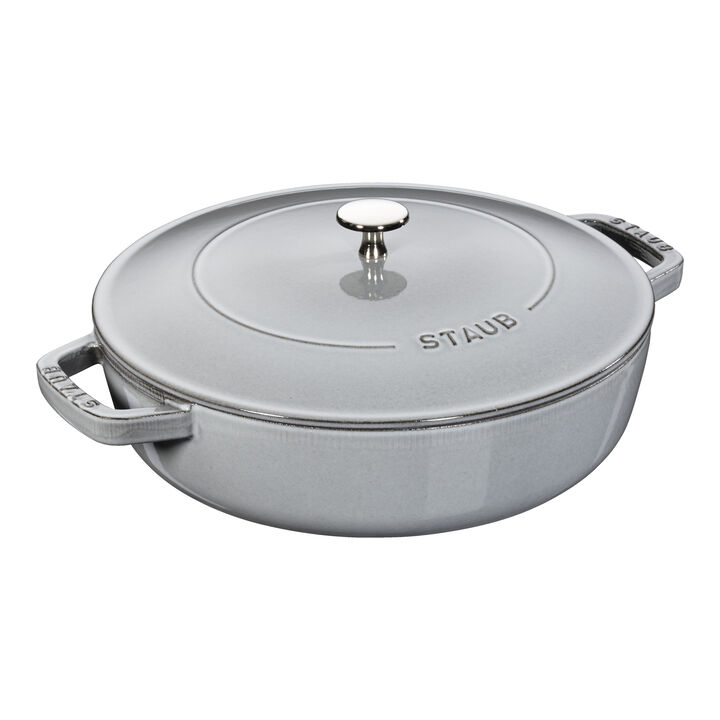
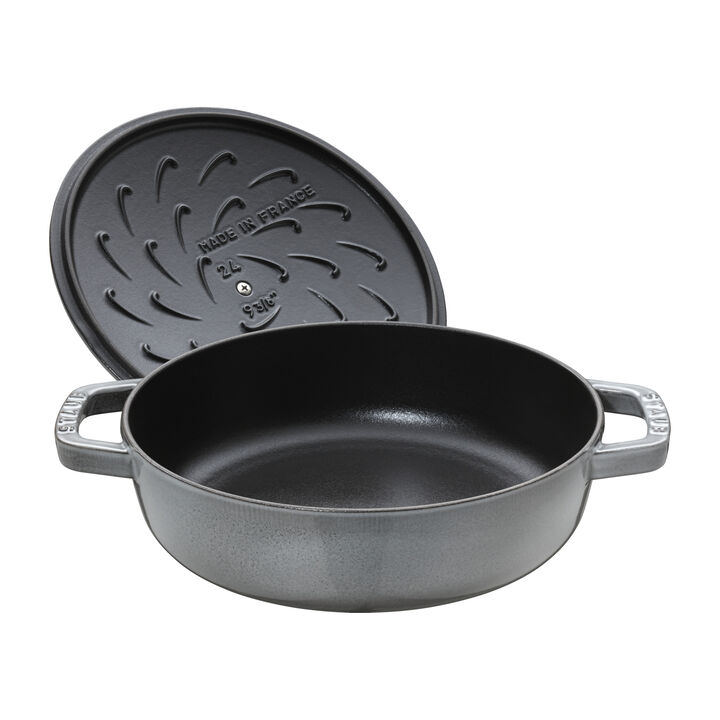
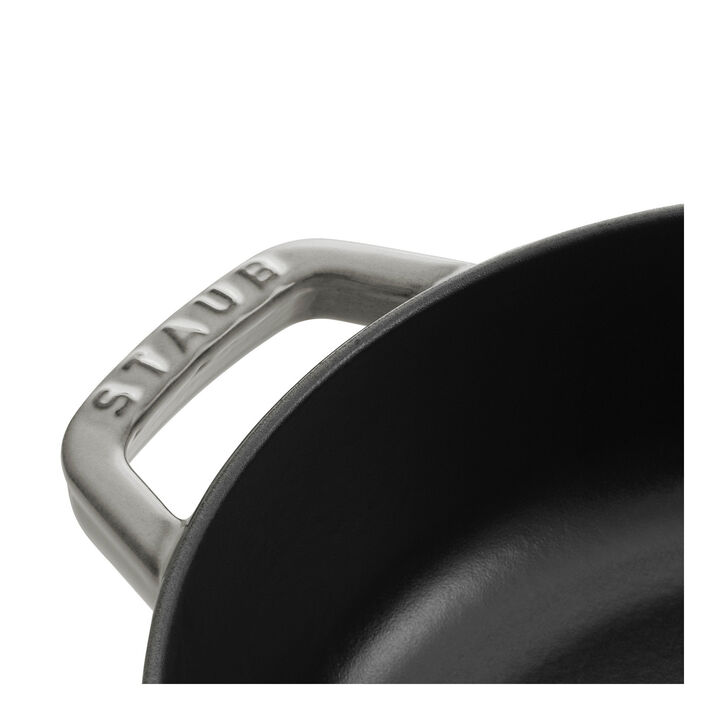
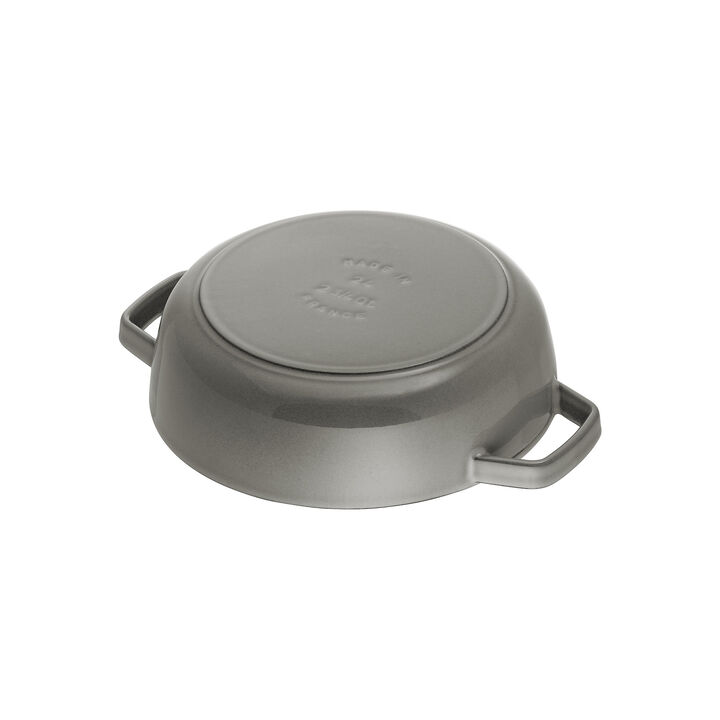
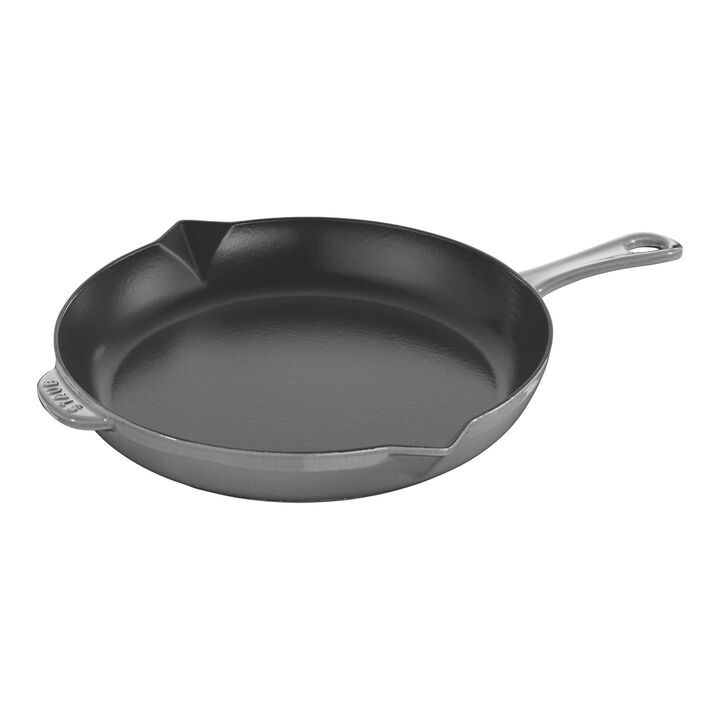
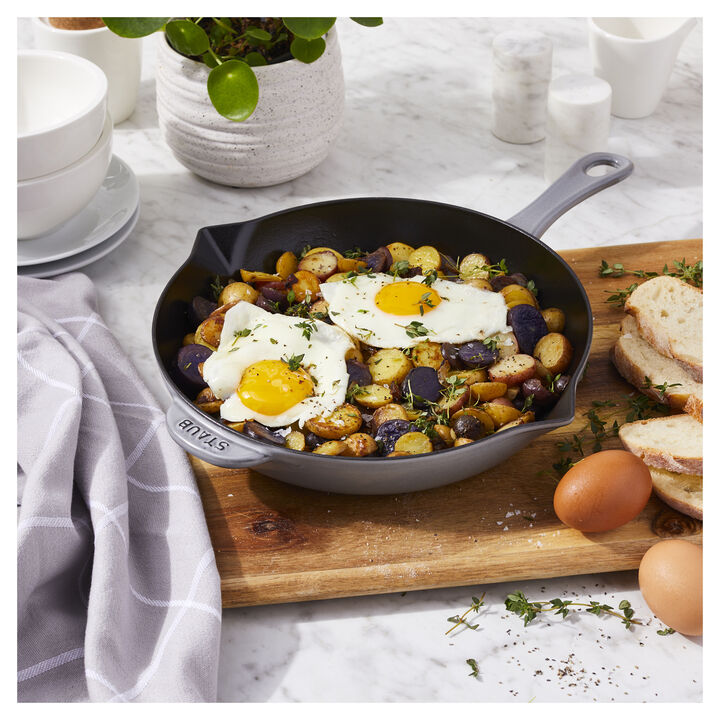
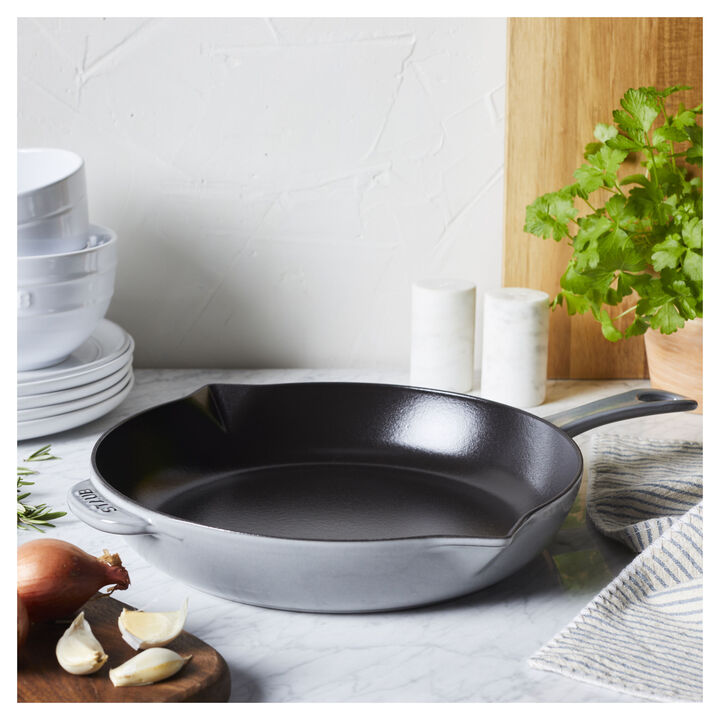
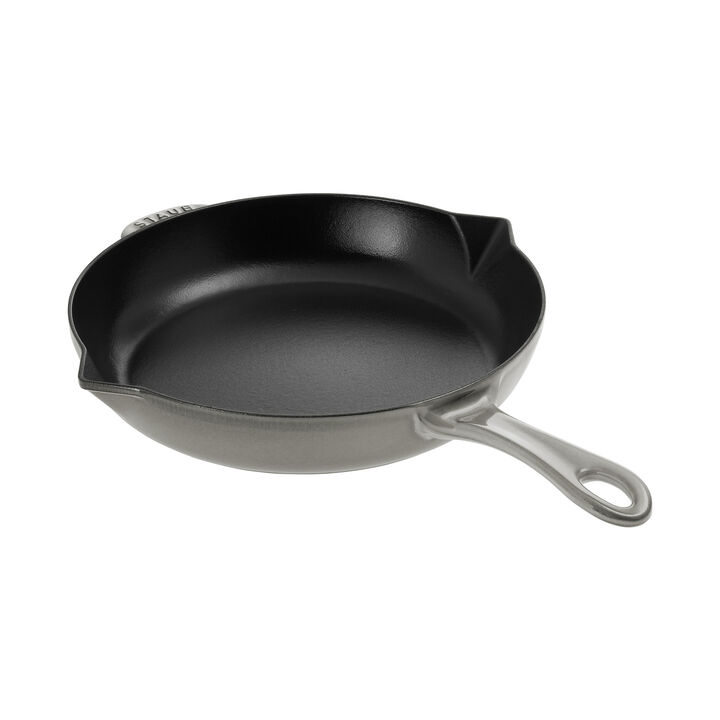
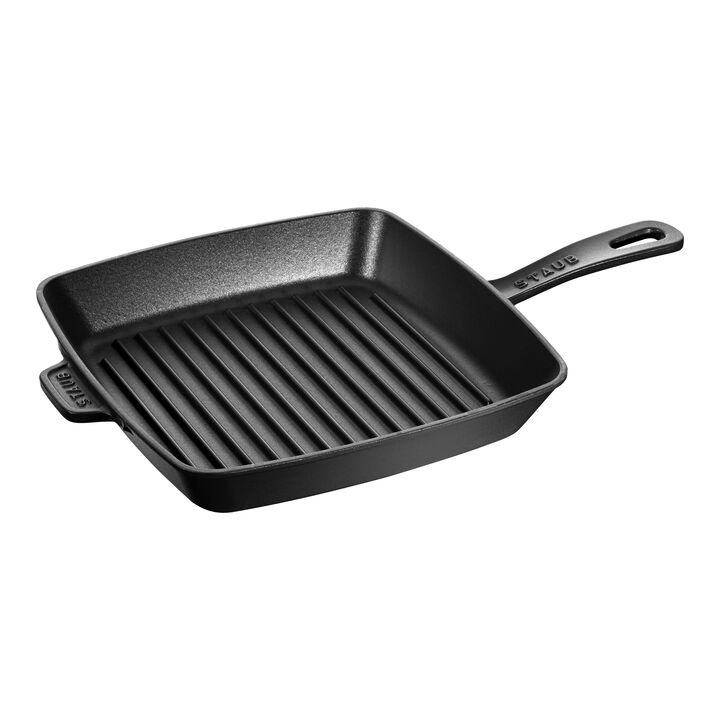

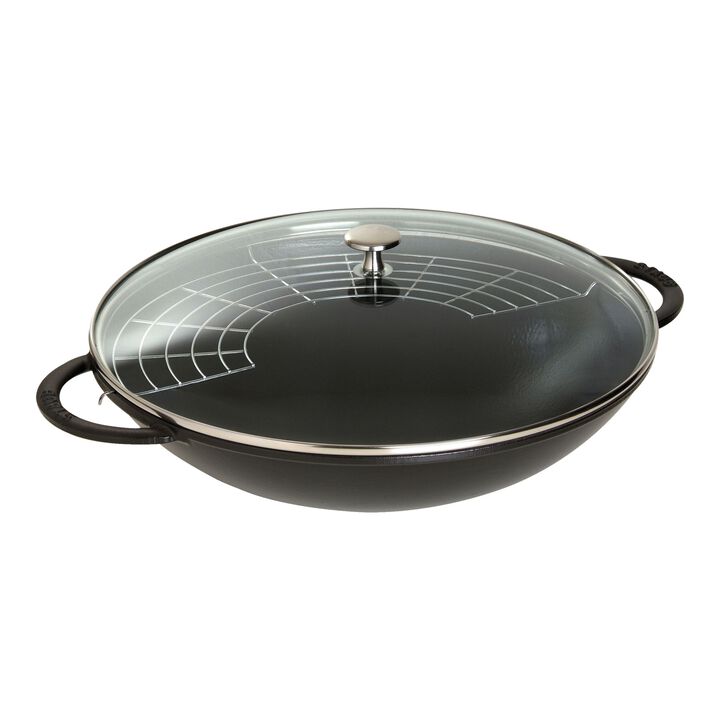
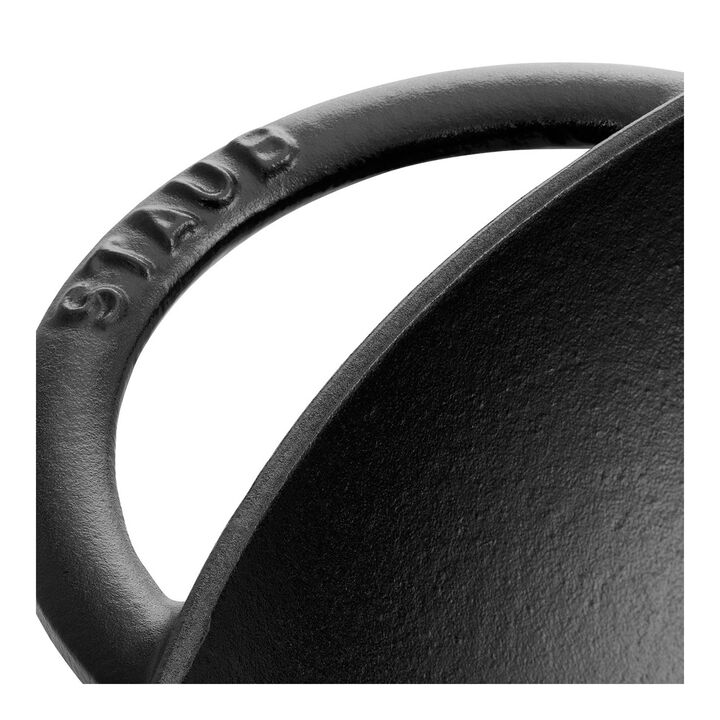
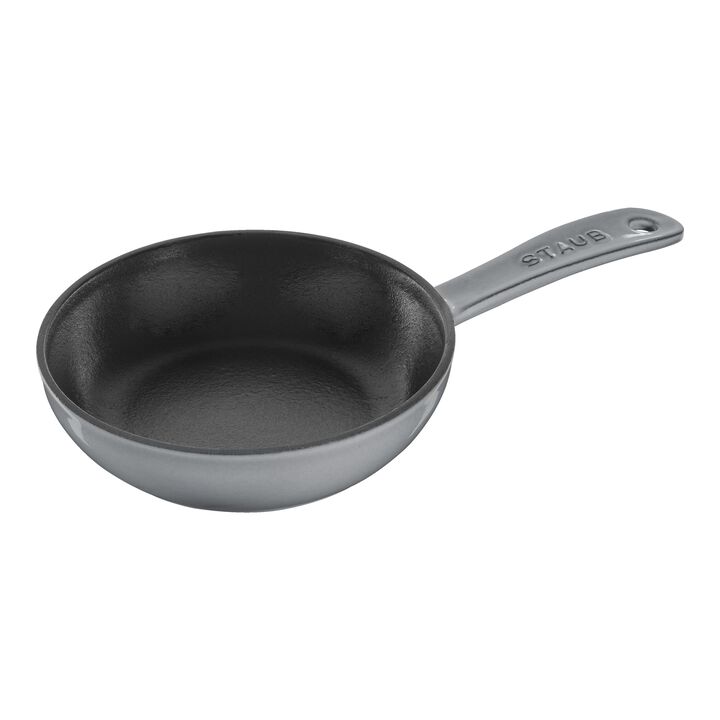
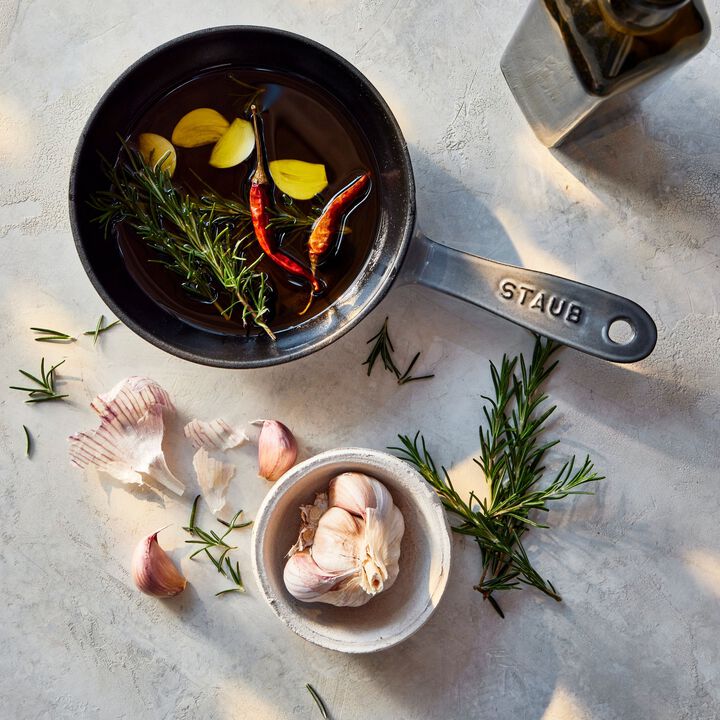
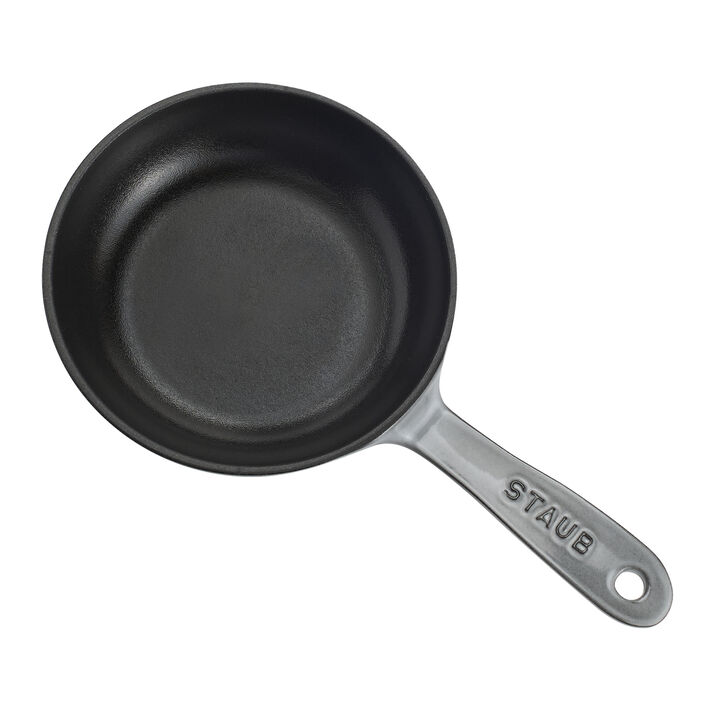
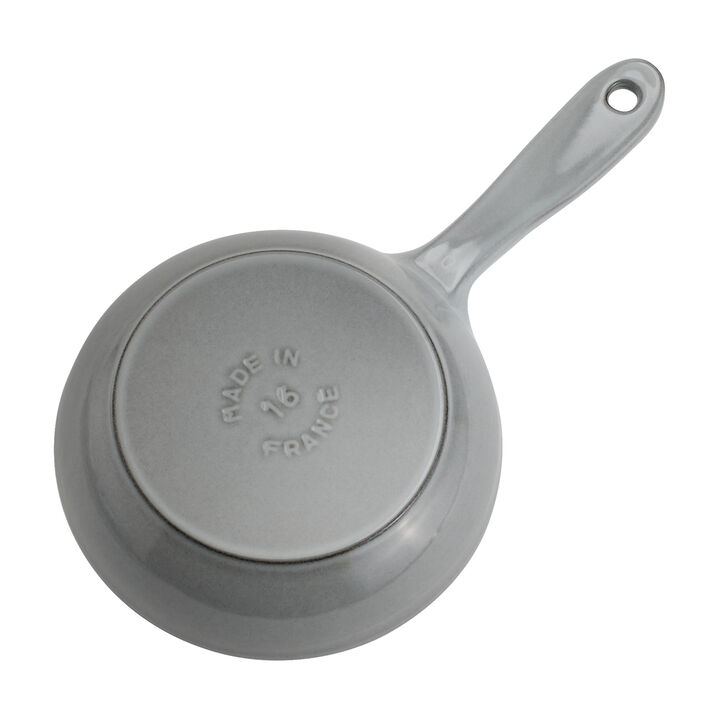
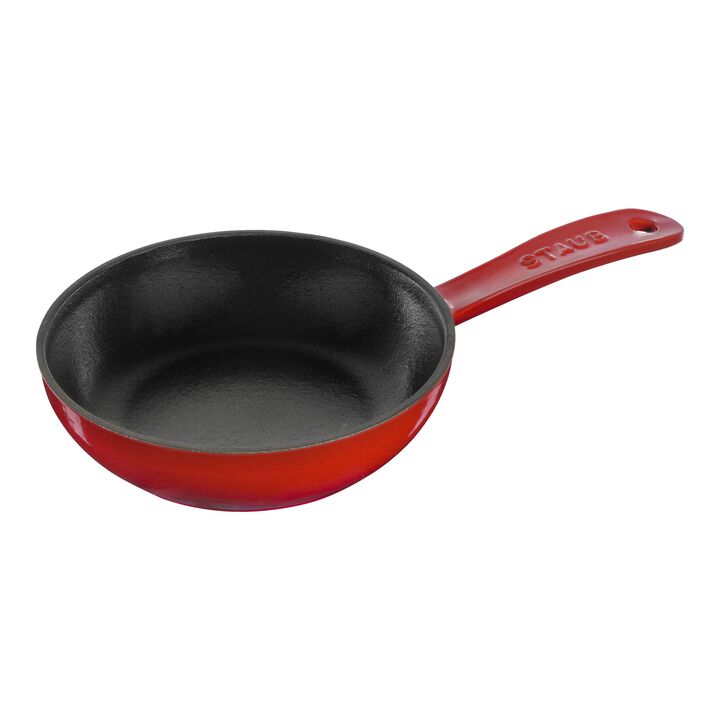
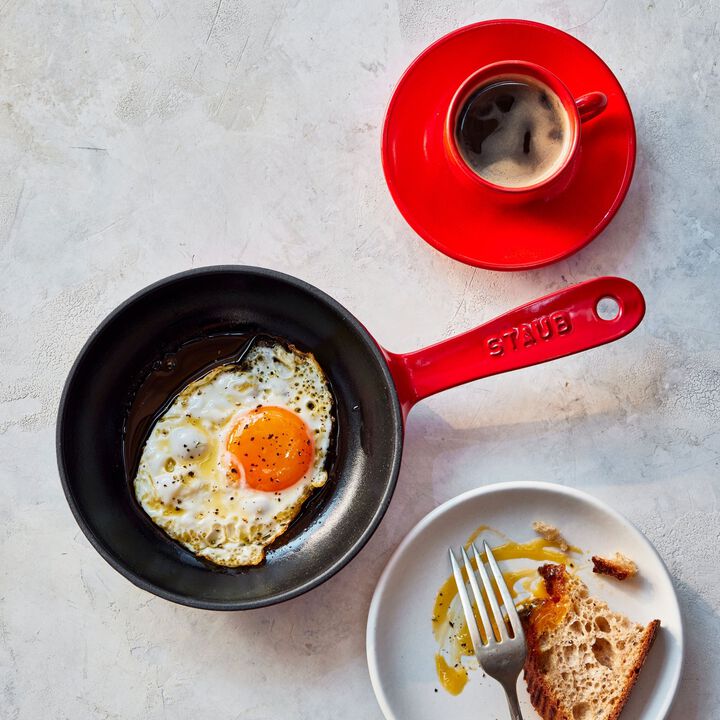
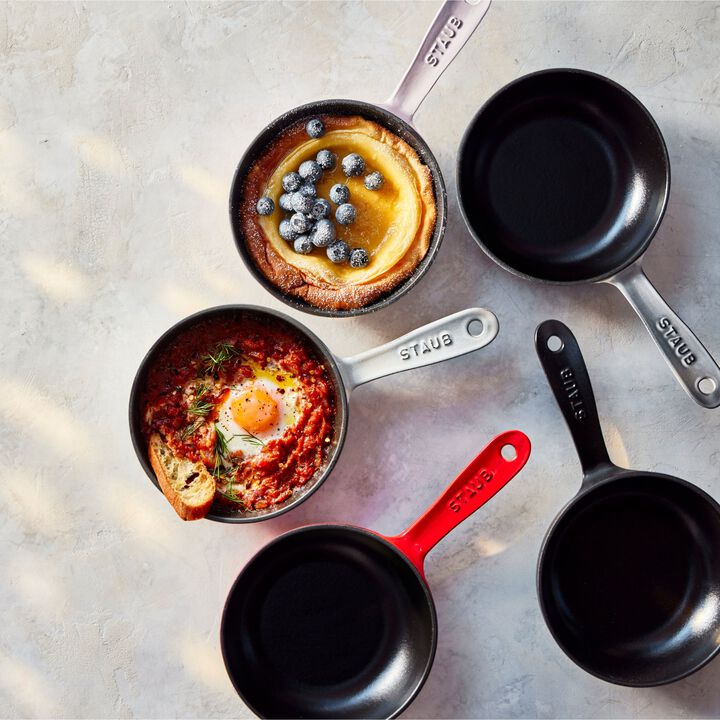
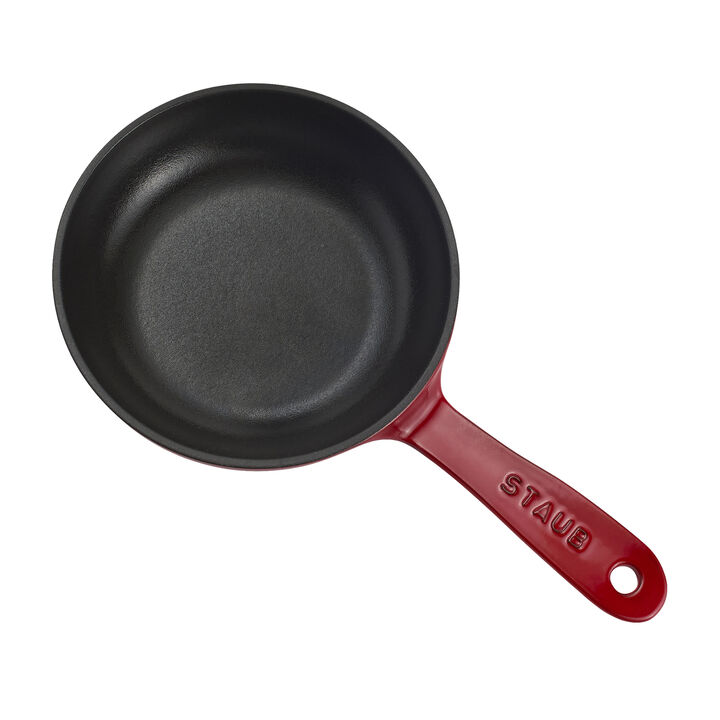

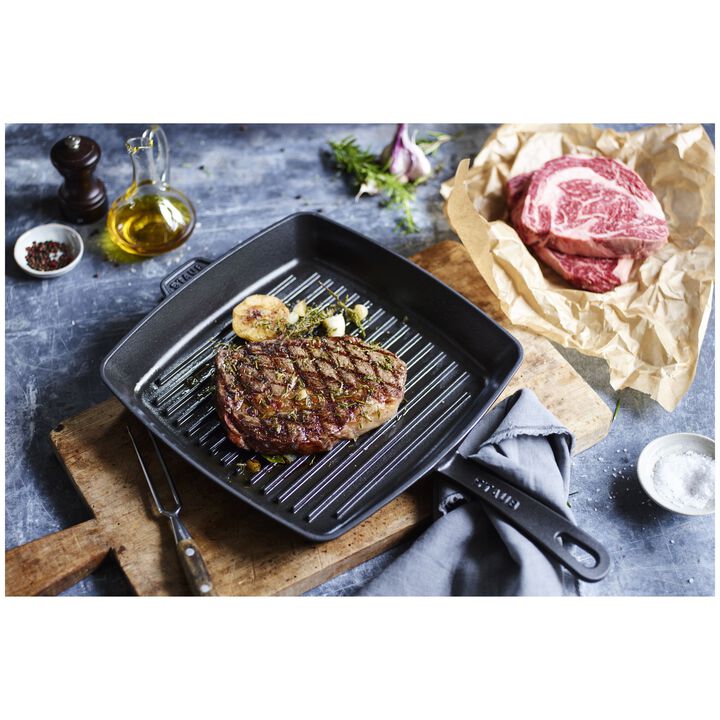

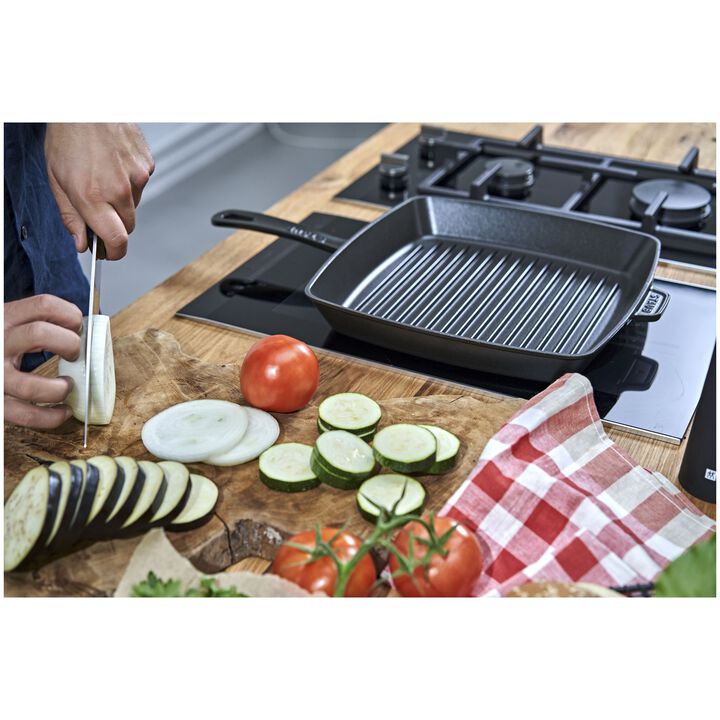
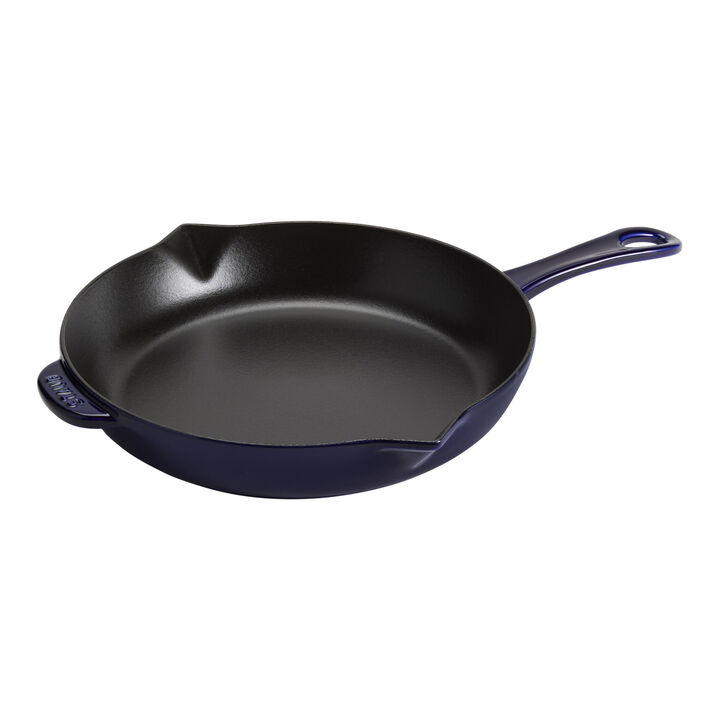
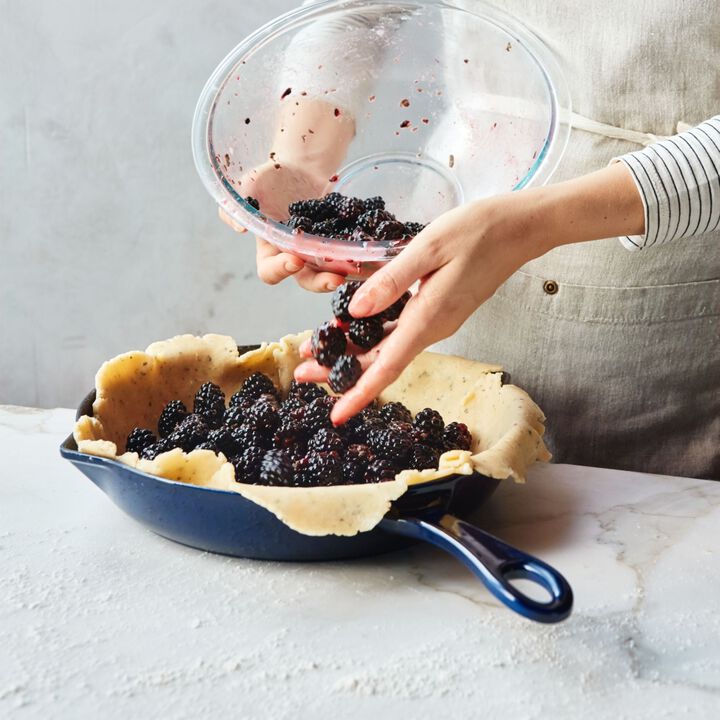
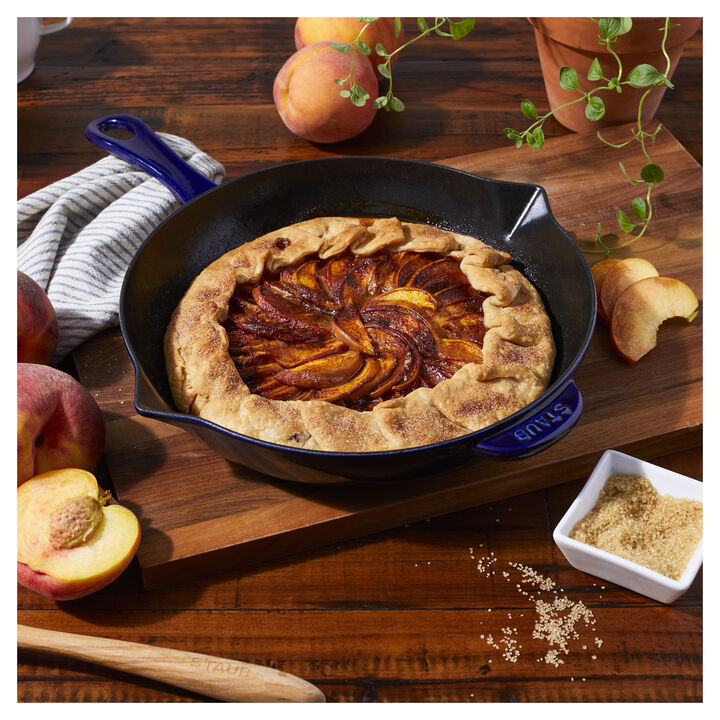
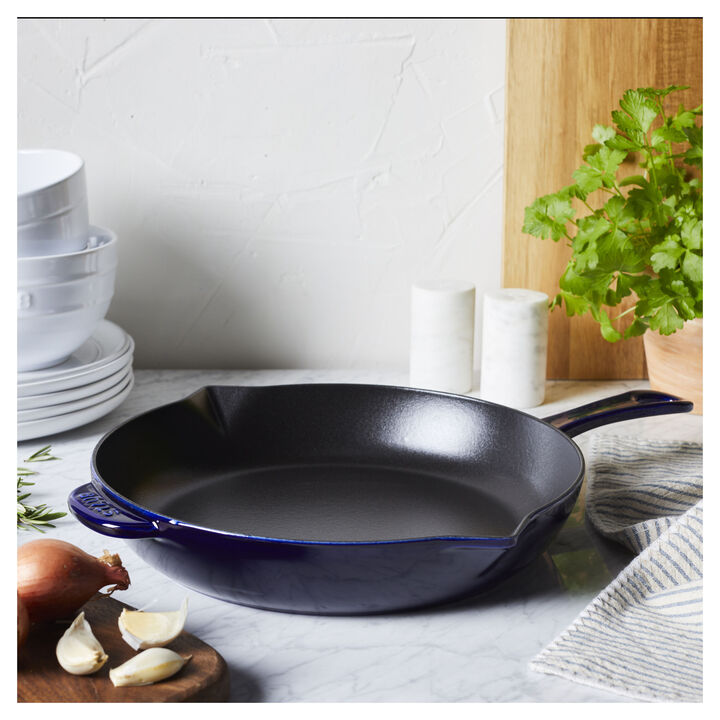
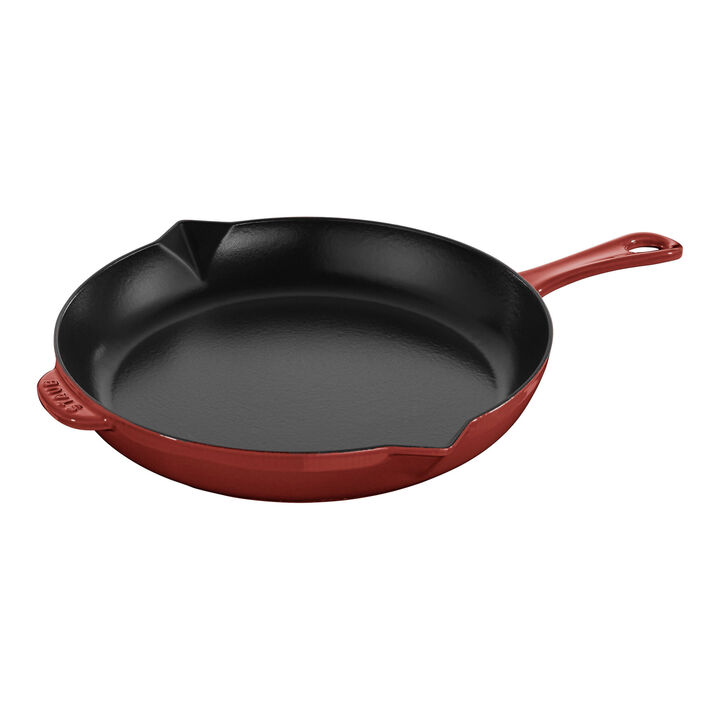

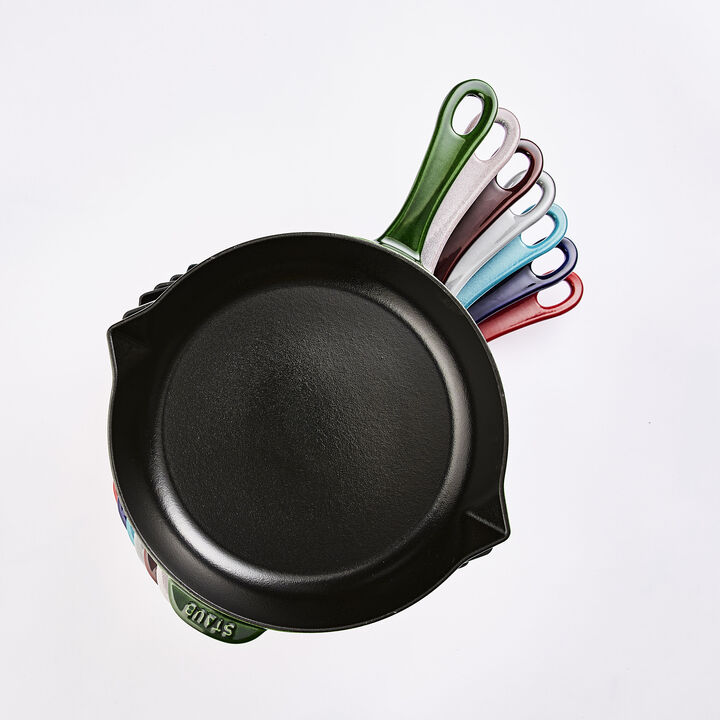
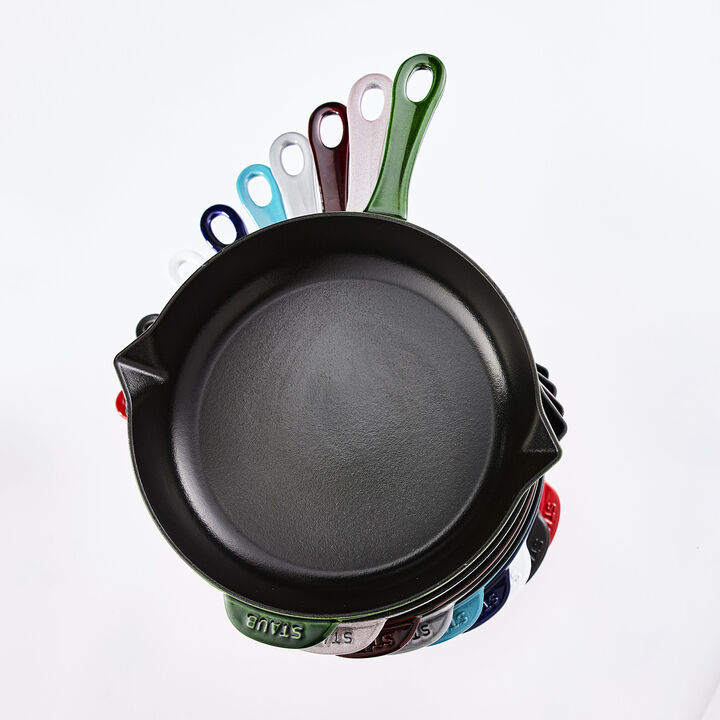
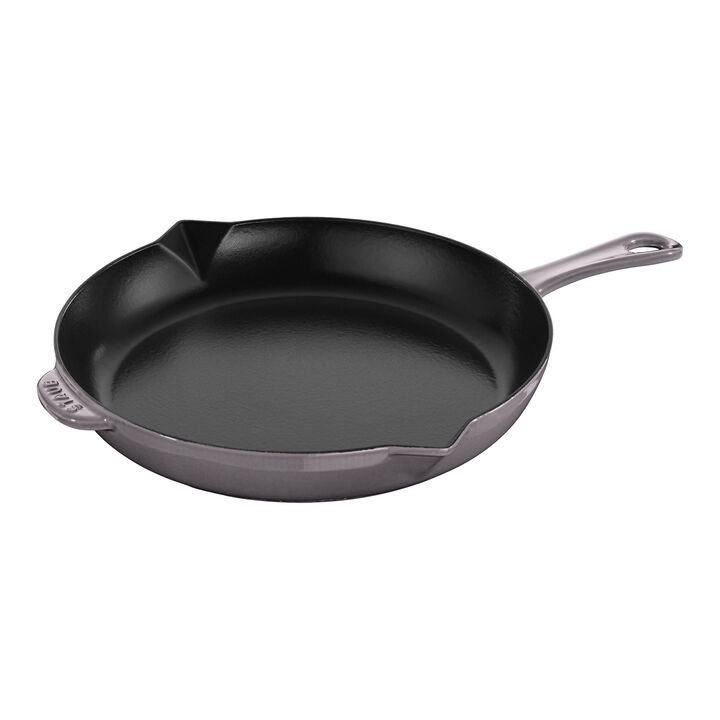
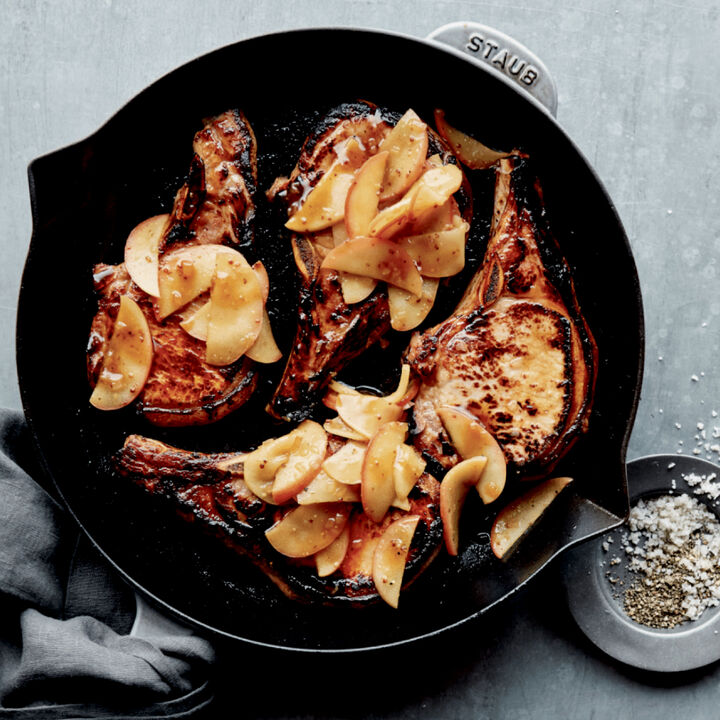

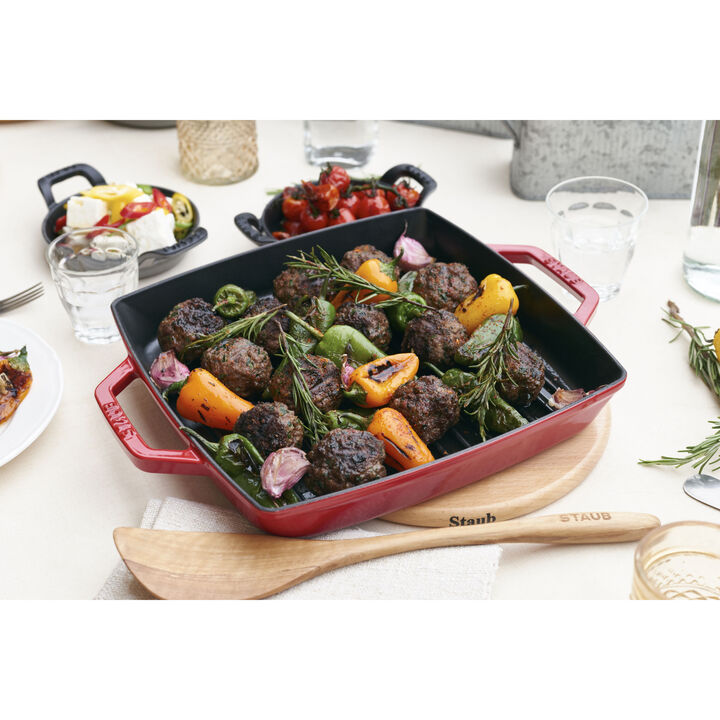
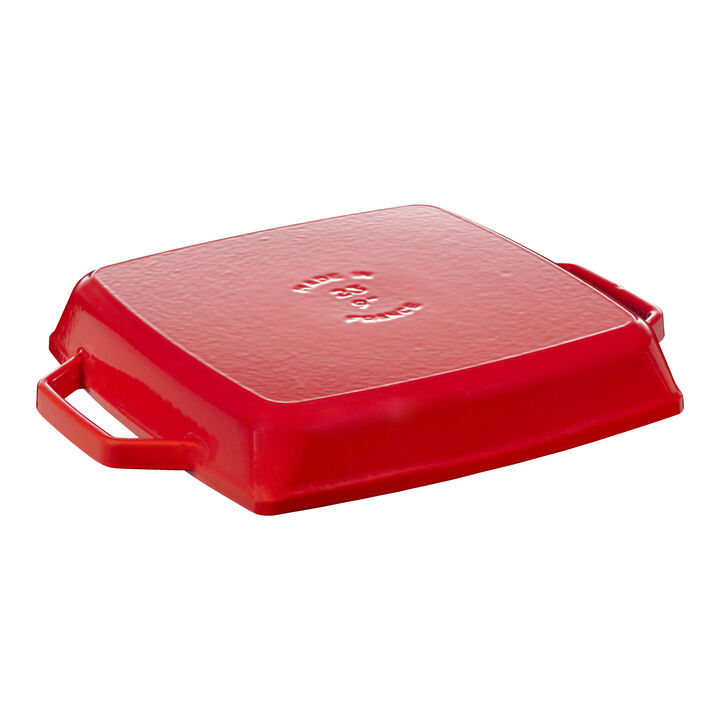
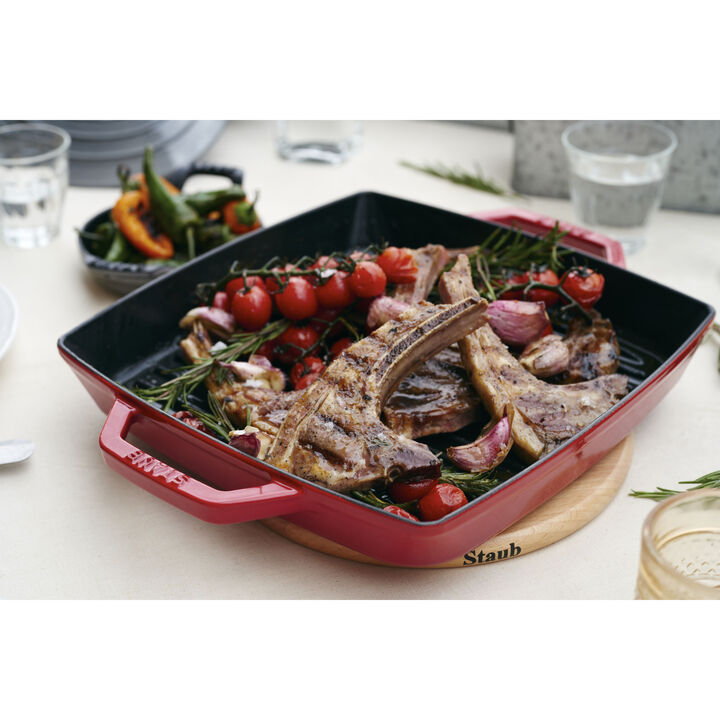


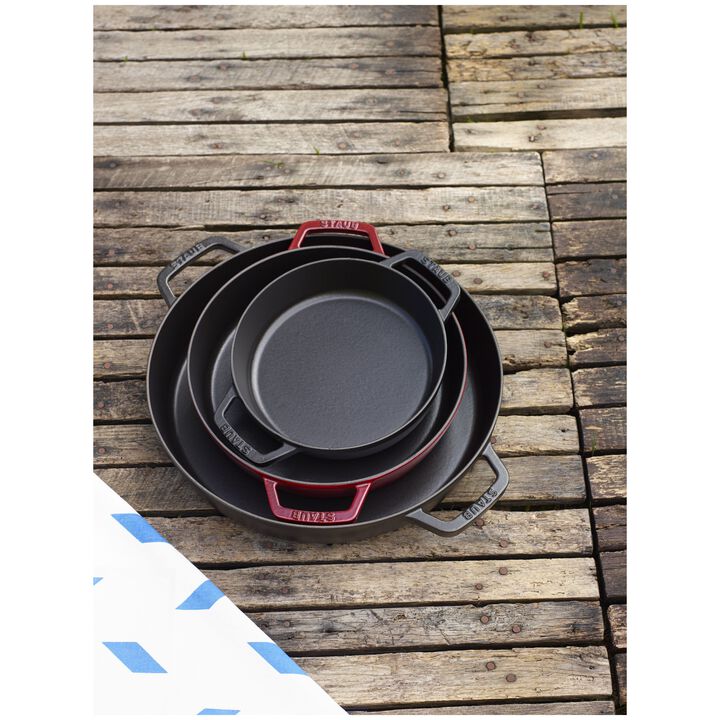
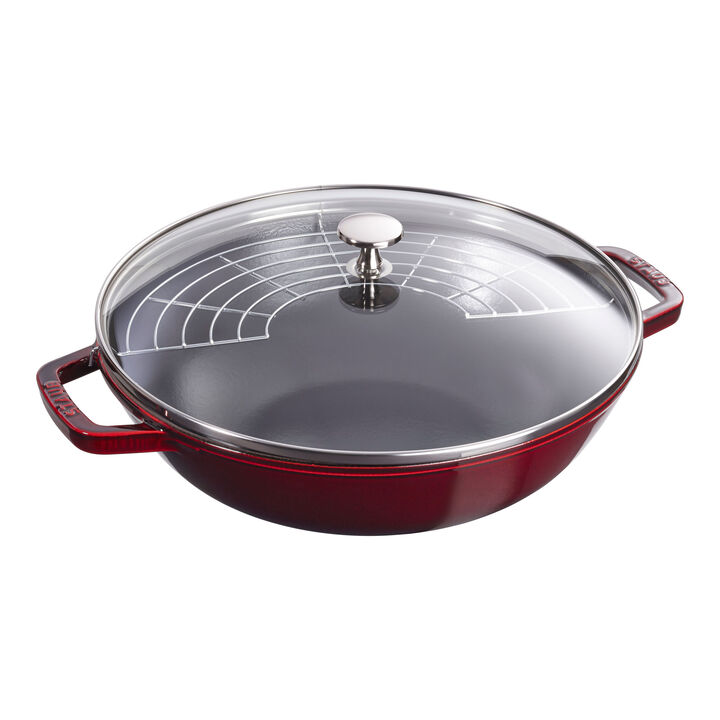
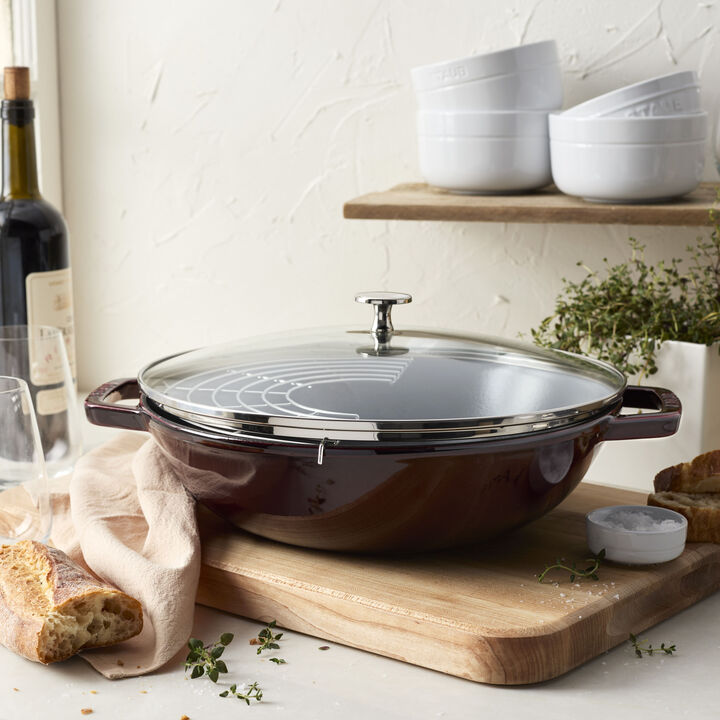
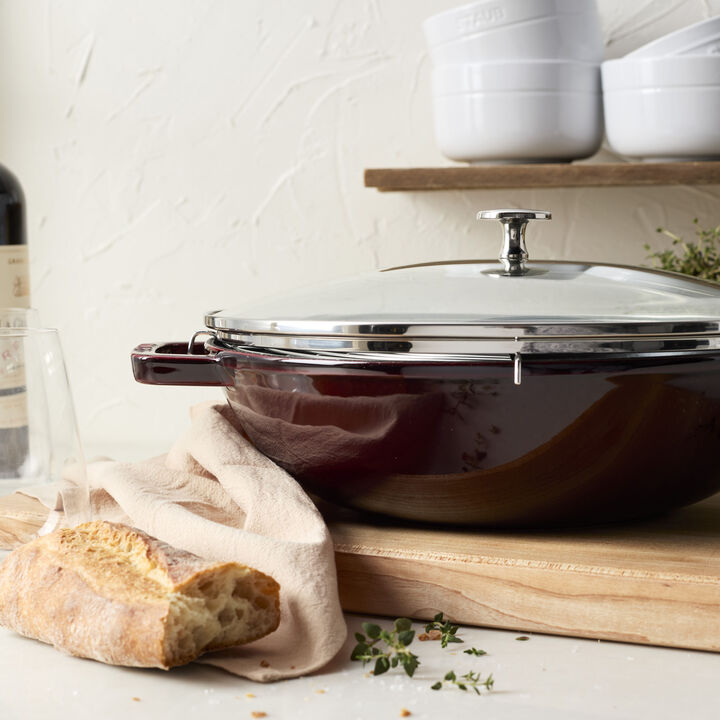
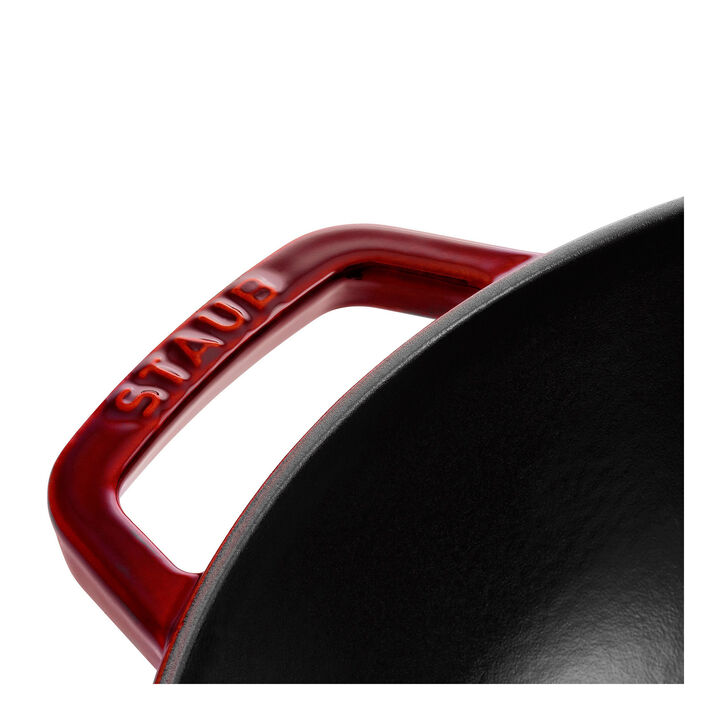

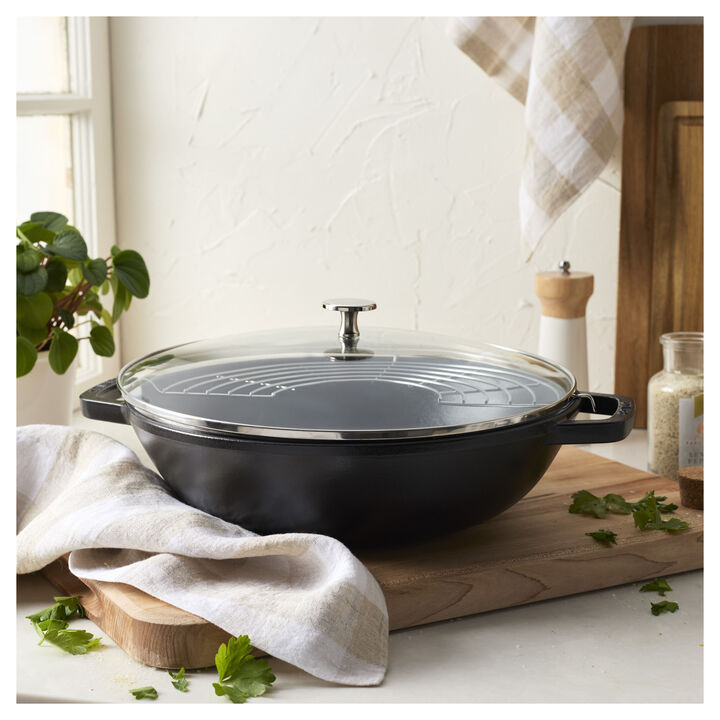
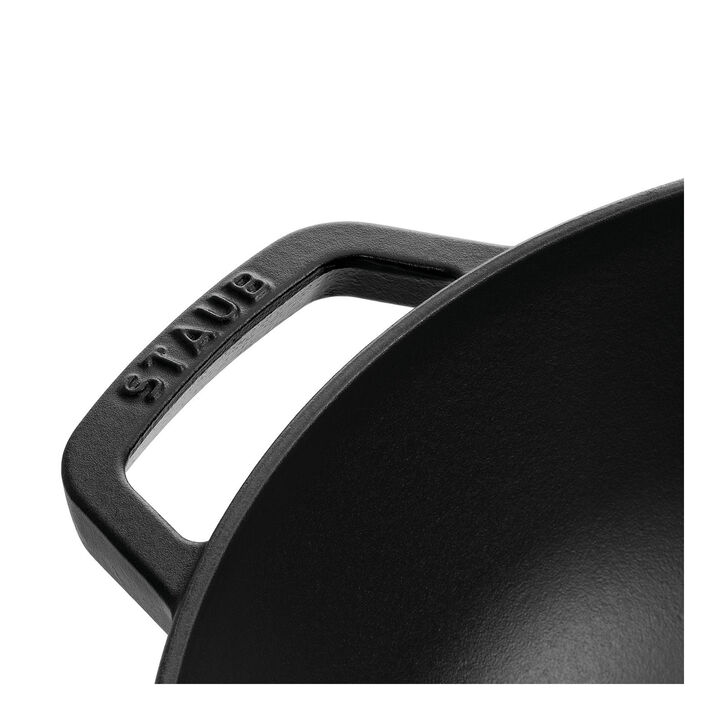
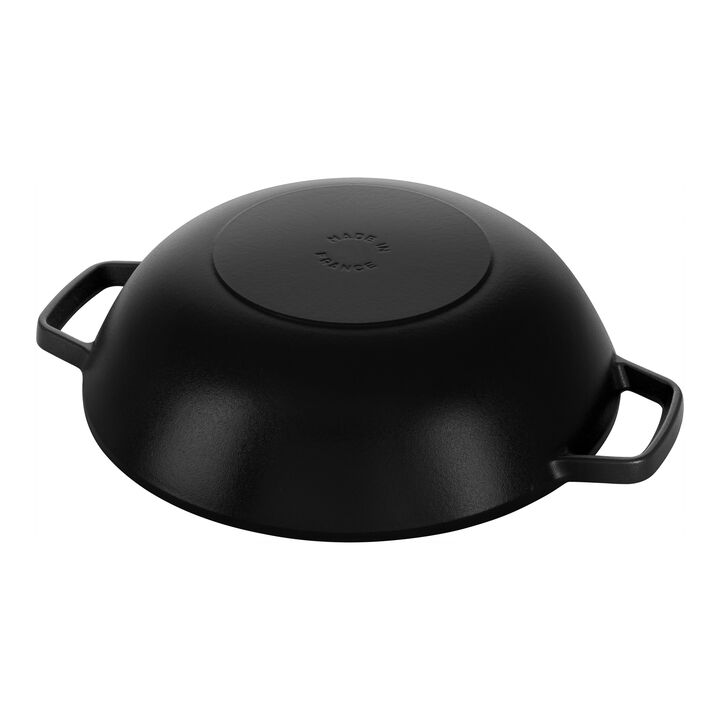
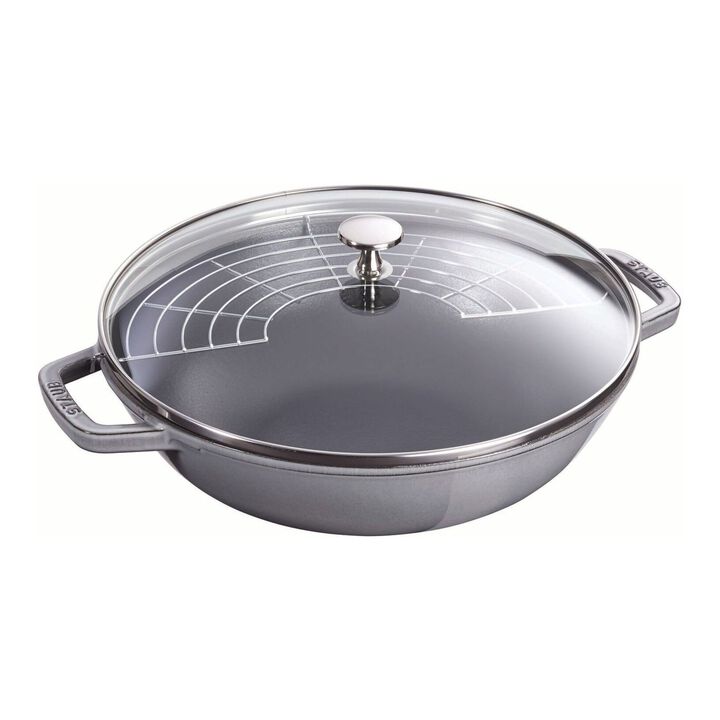
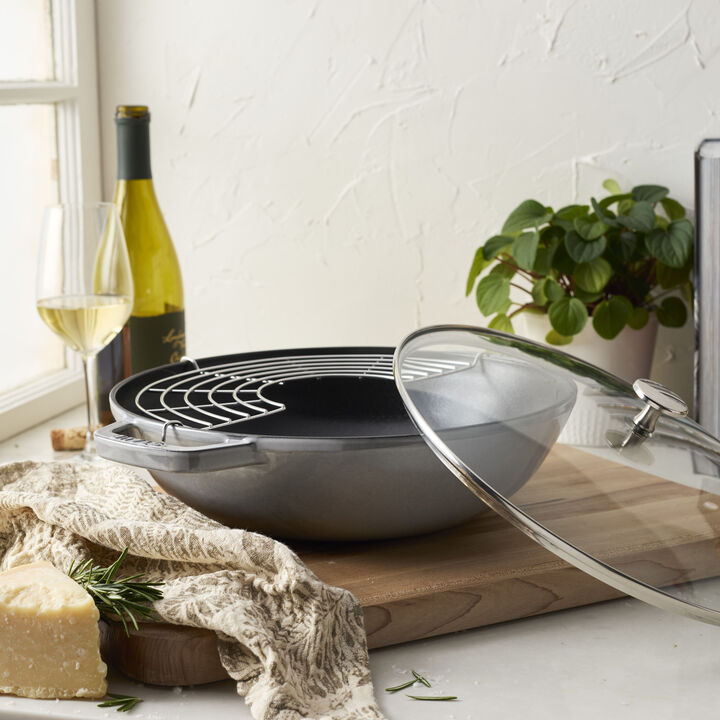
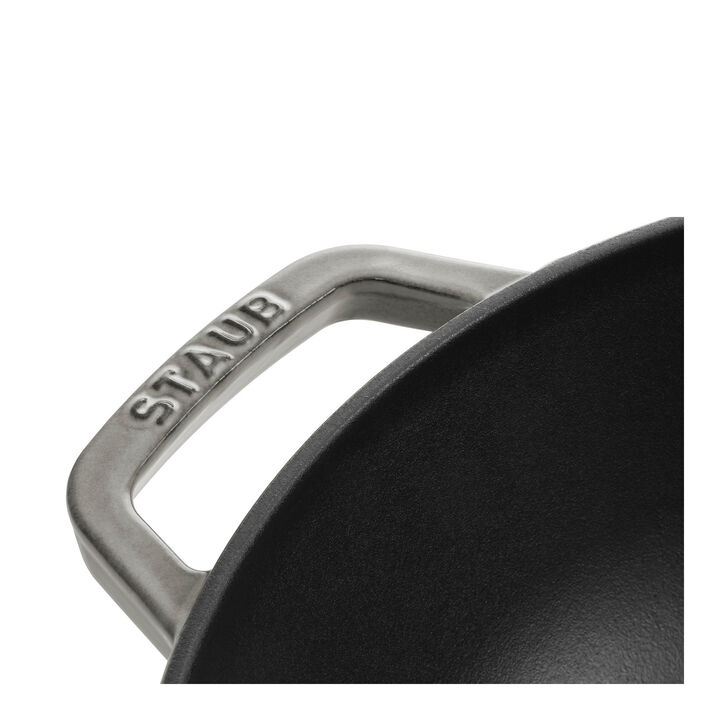
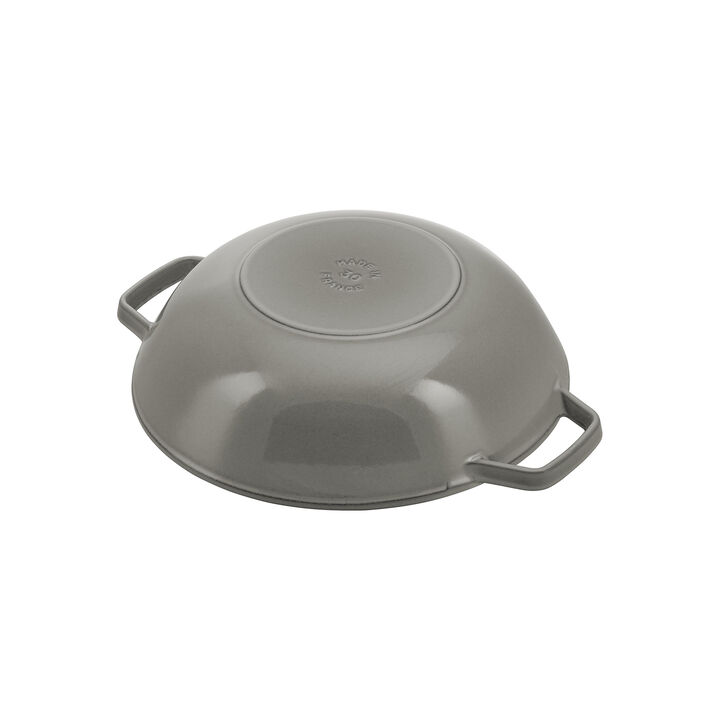
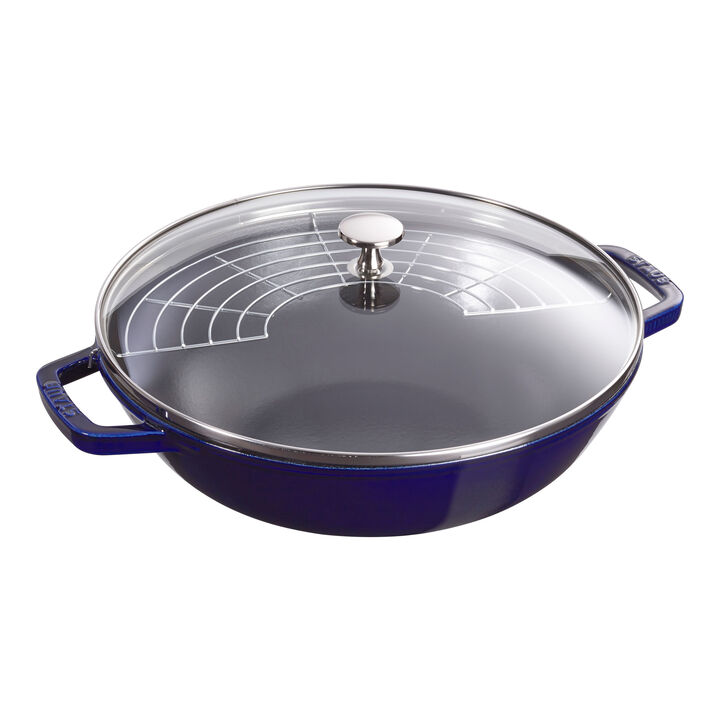
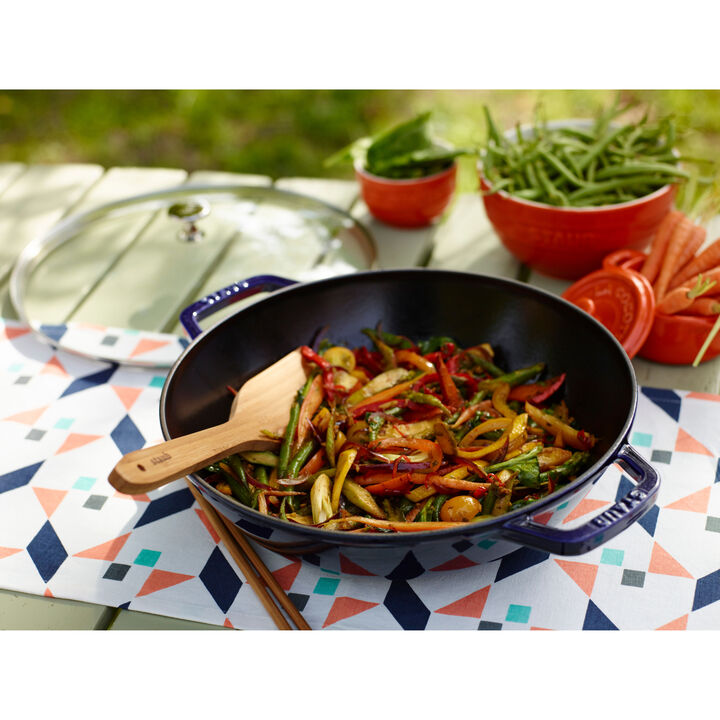
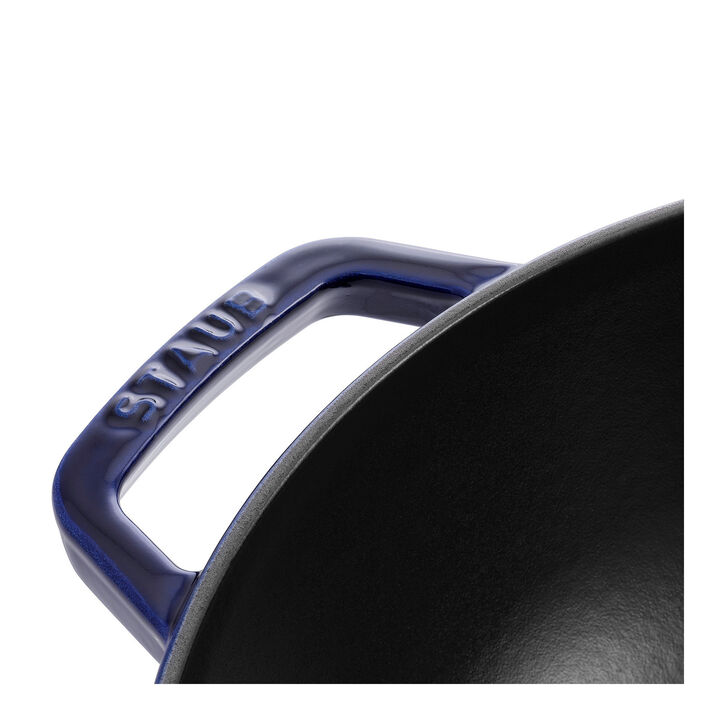
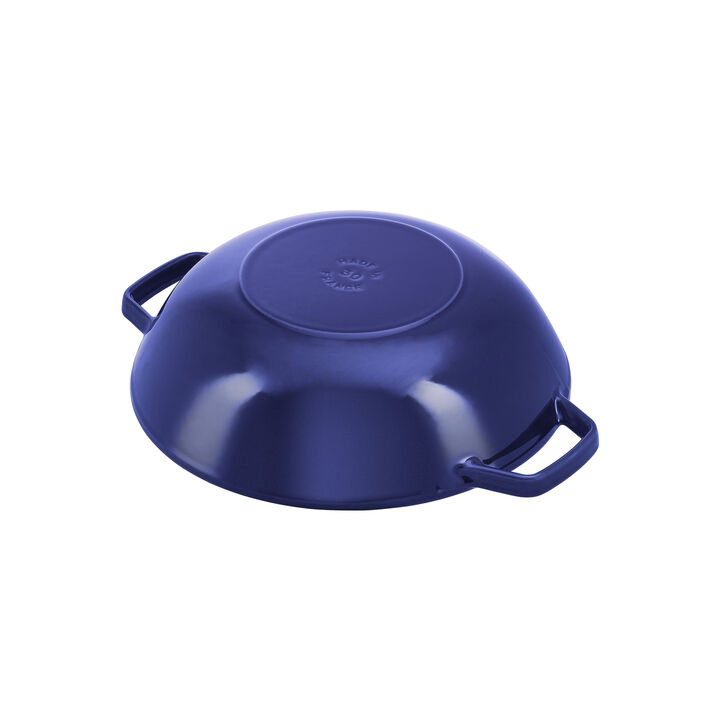
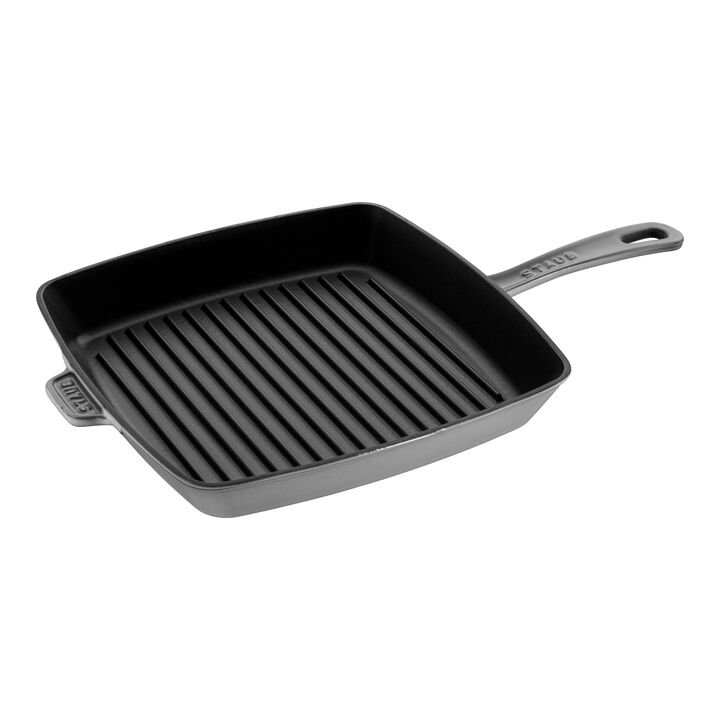
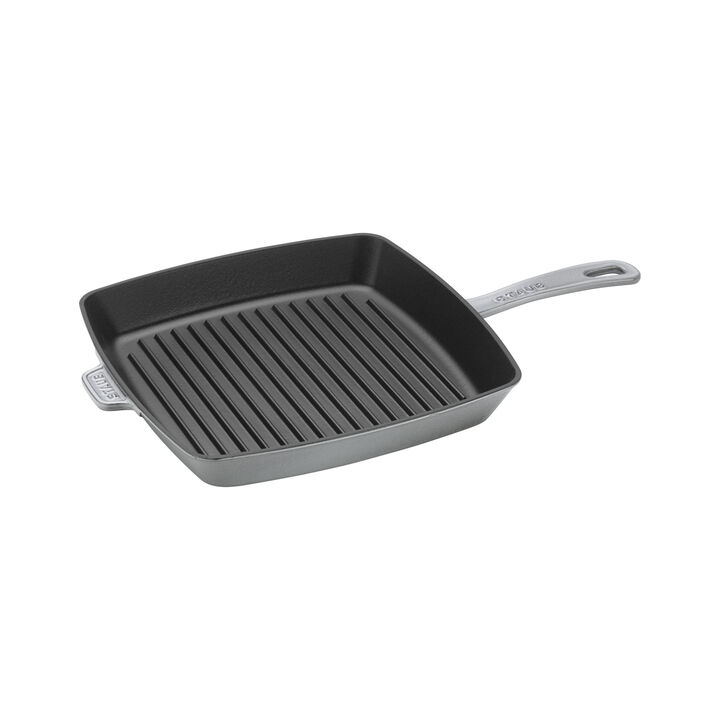
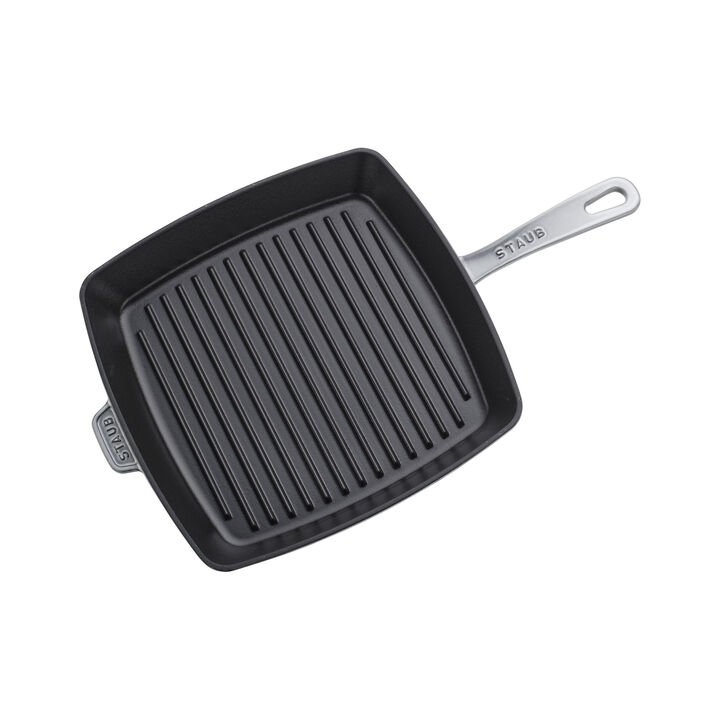
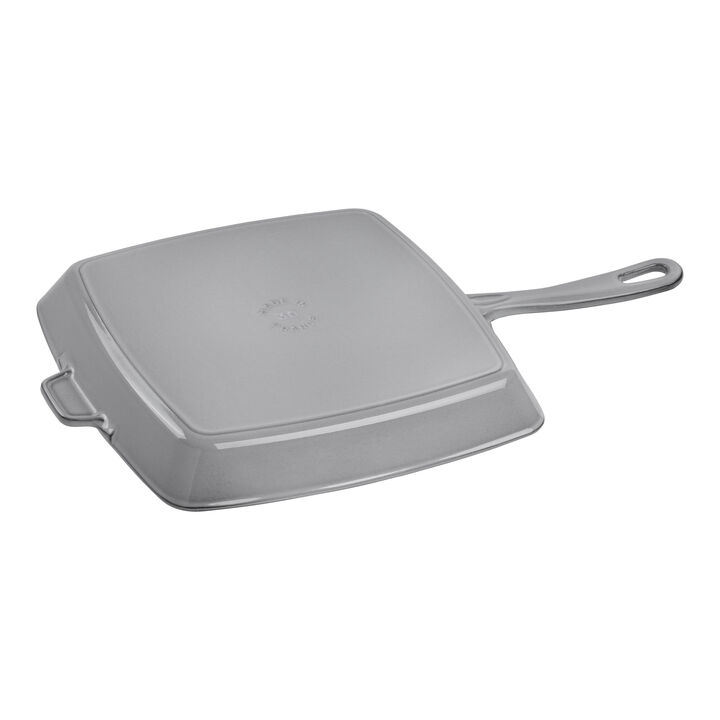
Cast Iron Pans
Cast Iron Pans – Durable, Timeless, and Ideal for Searing
Cast iron cookware has long been trusted by both professional chefs and home cooks across the globe. Thanks to its excellent heat retention, lasting durability, and versatility, a cast iron frying pan remains an essential piece in any kitchen. When it comes to quality we offer outstanding cast iron products built to perform.
How Cast Iron Cookware Is Made
Each cast iron pan goes through a detailed and time-honored process:
- Pouring: Liquid cast iron is cast into a sand mould
- Cooling: The iron is allowed to cool and solidify
- Finishing: The surface is either enamelled or left raw, depending on the design
- Inspection: Every piece is individually and carefully checked for quality and consistency
This artisanal process ensures that each pan is unique, with excellent thermal performance and a long lifespan.
First Use & Care – What You Should Know
Before using your cast iron pan, consider the following:
- Uncoated cast iron must be seasoned before use. In seasoned cast iron, the nonstick surface comes from a polymerized fat layer bonded to the metal. To season unseasoned cast iron, apply a thin layer of neutral oil like canola and heat at 450°F for one hour. After each use, wipe the pan with oil to help prevent rust.
- Enameled cast iron (like STAUB) is ready to cook with right away, which is one key difference between pre seasoned or ready-to-use enameled cookware and bare cast iron that still requires seasoning.
Care Tips:
- Clean with warm water only; avoid soap on uncoated pans
- Dry thoroughly with a soft cloth or air dry. A paper towel can help dry the pan completely and apply a light coating of oil afterward.
- Avoid using the dishwasher. If rust spots appear, an uncoated pan can be reseasoned after drying and oiling.
Benefits and Drawbacks of Cast Iron Pans
Benefits:
- Outstanding heat retention and even heat distribution
- Long-lasting and highly durable
- Compatible with all cooktops, including induction
- Excellent for high-heat searing and oven-based recipes, with reliable performance at high temperatures
Drawbacks:
- Heavier than standard pans and many other skillets, so they can be harder to lift, tilt, and wash; heavier skillets can add stability and heat retention, but they’re less maneuverable
- Requires specific care and maintenance
- Uncoated versions need regular seasoning
What Makes a High-Quality Cast Iron Pan?
When choosing a cast iron pan, look for the following:
- Thick walls and base for better heat control
- Smooth and consistent smooth surface free of imperfections, since it is easier to season, improves food release, and smooth-surfaced skillets can heat up faster than traditional pebbled ones
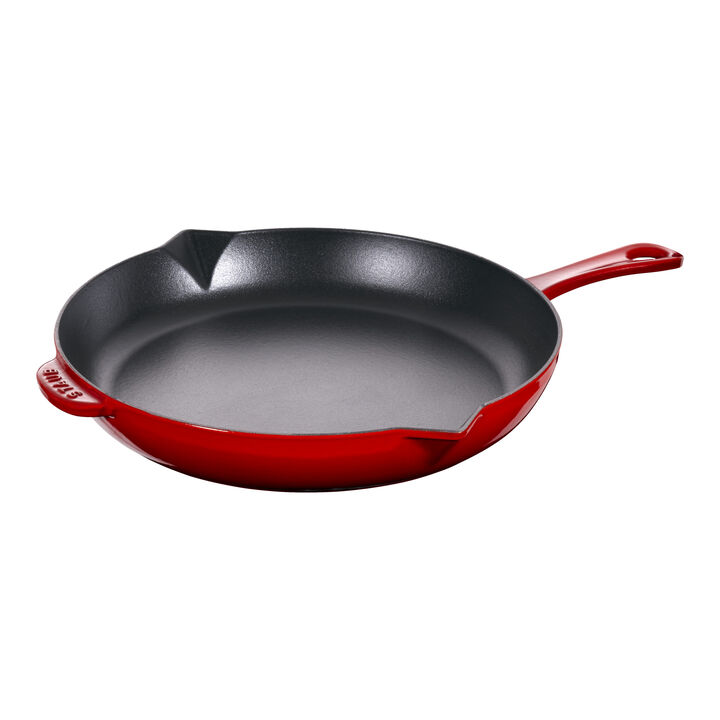
- Secure, heat-resistant handles, with a helper handle and pour spouts being useful details on larger pans
- A 10- to 10.25-inch cooking surface is a practical all-purpose size for most cooking tasks and many recipes
- For enamelled pans: high-quality, chip-resistant enamel coating
- STAUB products are manufactured in France to the highest standards of craftsmanship.
Enamelled vs. Uncoated Cast Iron – A Detailed Comparison
| Care Requirements | Easy to clean with mild soap and water | Requires gentle cleaning and periodic oiling |
| Ready to Use? | Yes, no seasoning required | No, must be seasoned prior to first use |
| Browning & Searing | Excellent caramelization and browning | Classic searing when properly seasoned |
| Non-Stick Effect | Develops natural non-stick surface over time | Very effective non-stick after seasoning |
| Acid Resistance | Safe for acidic ingredients like tomatoes and wine | Prone to damage from acids unless very well-seasoned |
Best (and Worst) Foods to Cook in Cast Iron
Ideal for:
- Meat dishes such as steaks, sausages, or pork chops
- Roasted potatoes, hash browns, and fried vegetables
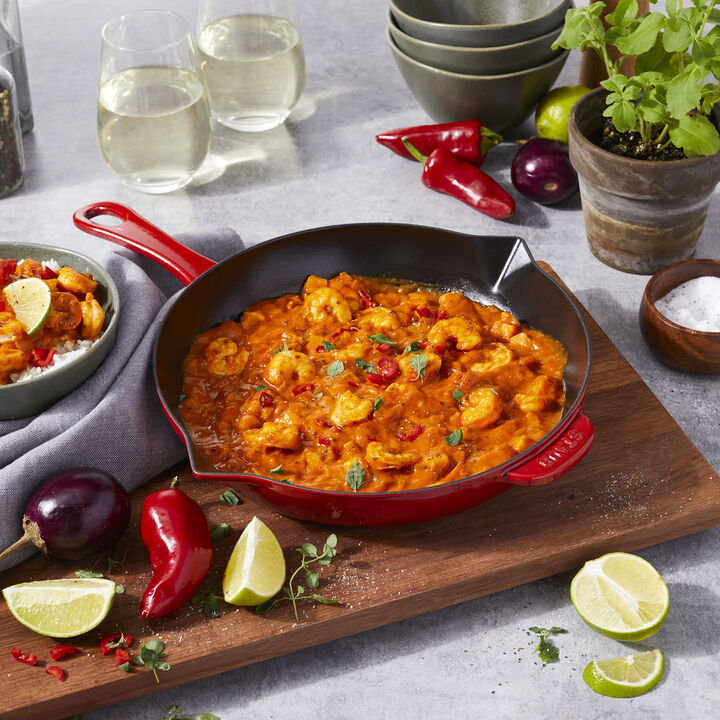
- Braises, stews, and slow-cooked meals
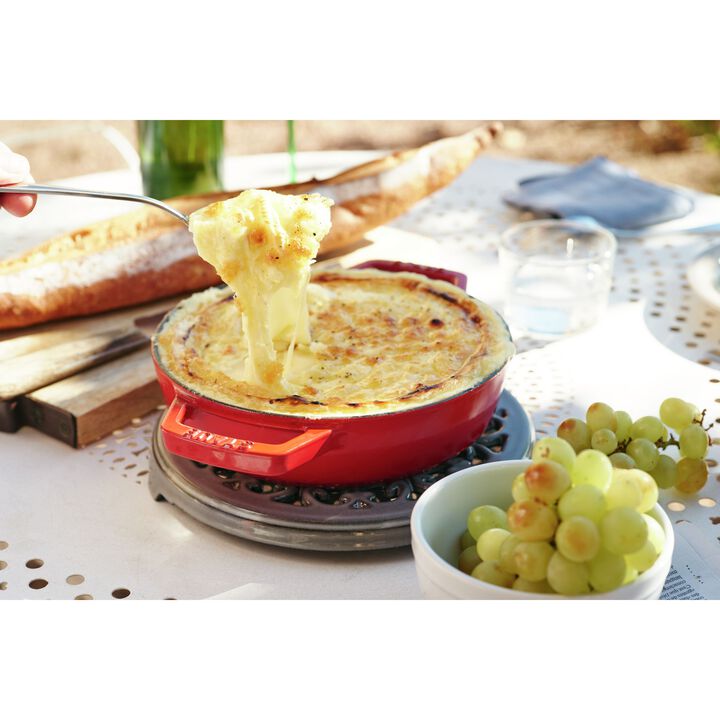
- Oven-to-table casseroles and gratins
Not recommended in uncoated cast iron frying pans:
- Delicate fish, which may stick or fall apart
- Eggs cooked without fat, particularly in unseasoned pans
Tip: Use enamelled cast iron pans (such as STAUB) when cooking with acidic ingredients.
How To Clean an Enamelled Cast Iron Pan
Cleaning an enamelled cast iron pan is straightforward and convenient. After cooking, allow the pan to cool slightly, then wash it with warm water and a mild dish soap using a soft sponge or cloth. Avoid abrasive scrubbers that can damage the enamel coating. For stubborn food residue, soak the pan in warm soapy water for a few minutes before gently scrubbing. Unlike uncoated cast iron, enamelled pans do not require seasoning and are resistant to rust, making maintenance easier. Always dry the pan thoroughly after washing to prevent any moisture buildup. Avoid using harsh detergents or putting the pan in the dishwasher, as this can degrade the enamel over time. With proper care, your enamelled cast iron pan will maintain its beautiful finish and excellent cooking performance for years.
Final Thoughts – Why a Cast Iron Pan Is Worth the Investment
A cast iron pan is more than just a piece of cookware, it is a long-term investment in performance, flavour, and durability, and while most cast iron pans and most cast iron skillets deliver similar core cooking results regardless of brand or price, the real differences tend to show up in finish, weight, and handling. With STAUB, you'll be cooking with confidence and style for years to come.
Discover more cookware for every kitchen need
For more of what ZWILLING has to offer, check out our wide range of other pans that are available, ranging from French ovens to tea kettles. Discover our pots & pan cookware sets to complete your kitchen collection, and feel free to take a look at which of our current offerings are on sale.


