


Grill Pans & Griddle Pans
Griddles combine the benefits of cooking on a stove and grill. Thanks to our special pans with grooves you can combine both cooking techniques in your kitchen. Our grill pans are made from cast iron or enameled cast iron, allowing you to achieve the distinctive grill marks and flavors of outdoor grilling right on your stovetop.
Designed for home cooks seeking indoor grilling solutions, and with features like raised ridges to channel away fats and pour spouts for draining excess liquids, these pans offer a healthier and more convenient way to cook your favorite grilled dishes indoors. Using oven mitts for safe handling, one can master grilling techniques even in small spaces, making grill pans a favorite grill alternative for many home cooks.
FAQ
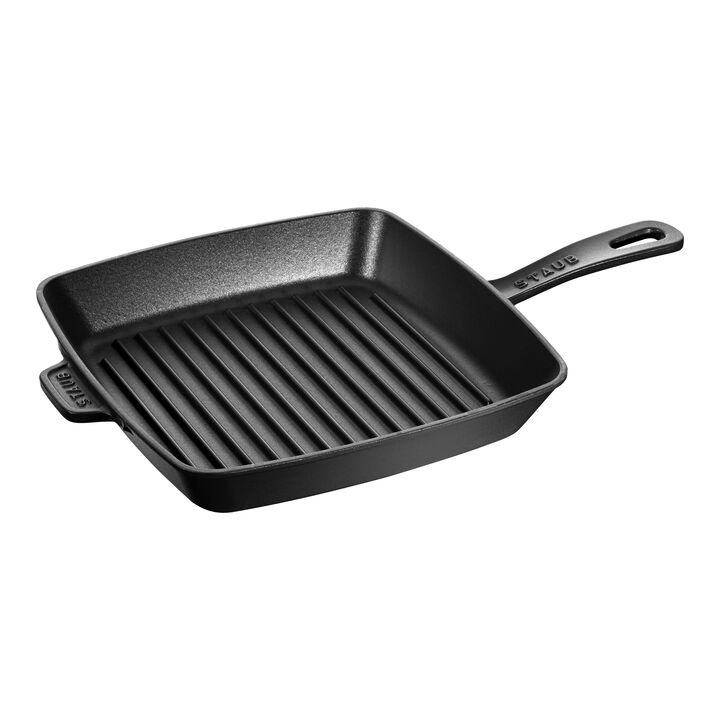
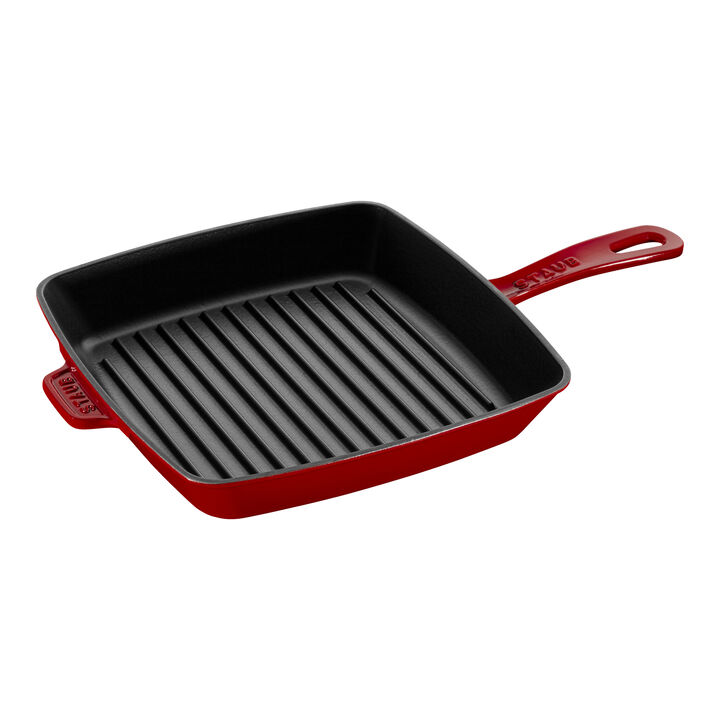
A grill pan typically features a rectangular or square shape with a grooved bottom designed to replicate the cooking surface of an outdoor grill. A key advantage of cast iron grill pans is their ability to heat evenly, ensuring that meats, fish, and vegetables are cooked quickly and uniformly.
Cooking Versatility
Grill pans are ideal for preparing a wide range of foods, including:
- Steaks
- Pork chops
- Chicken
- Seafood
- Burgers
- Grilled cheese sandwiches
- Toasted bread
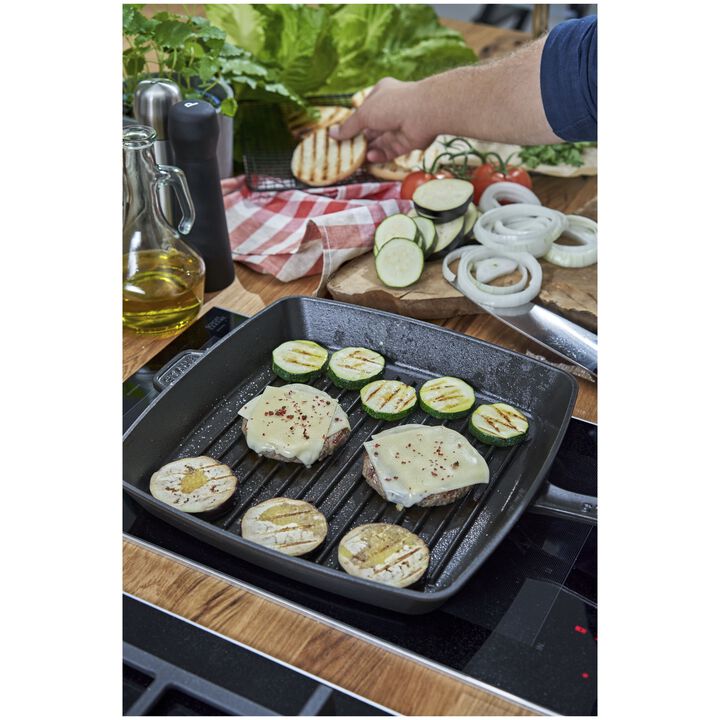
- Grilled vegetables
Health Benefits
The raised ridges on the pan’s surface keep food elevated above the base, allowing excess fats and juices to collect in the grooves. This design prevents food from sitting in its own grease, promoting healthier cooking and better browning. Unlike traditional skillets with flat surfaces, grill pans create distinctive grill marks and encourage the Maillard reaction, enhancing both flavor and texture.
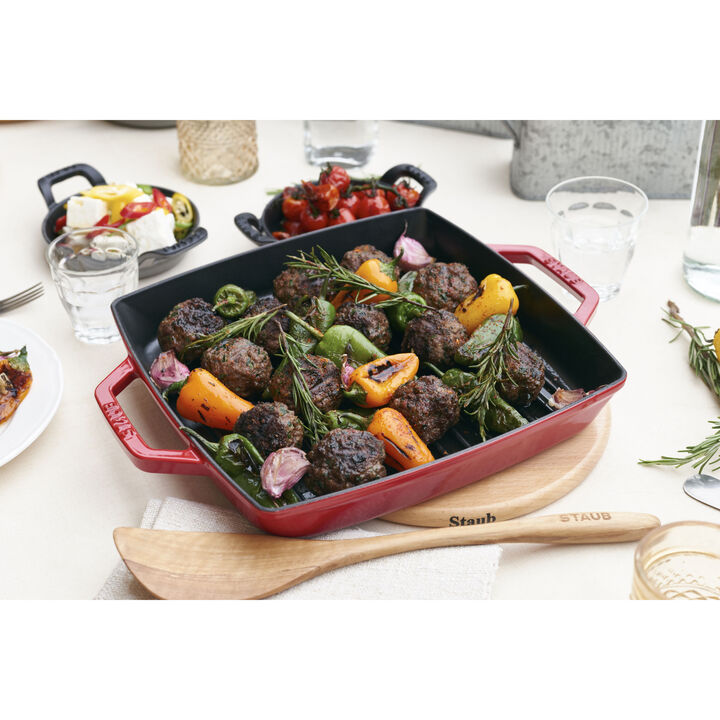
Grill pans are also versatile enough to handle many cooking tasks beyond meats. The large cooking surface found on many models provides ample space to prepare multiple items at once, making them ideal for family meals or entertaining guests.
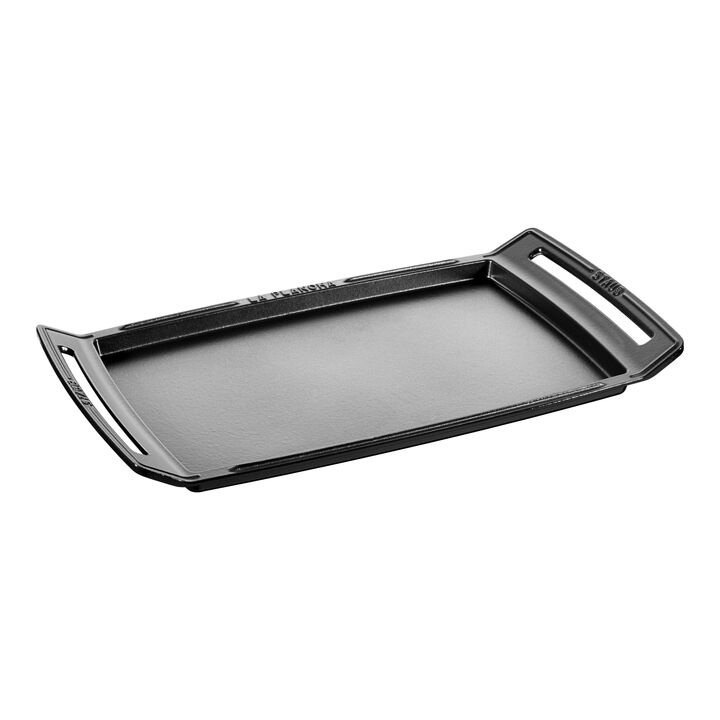
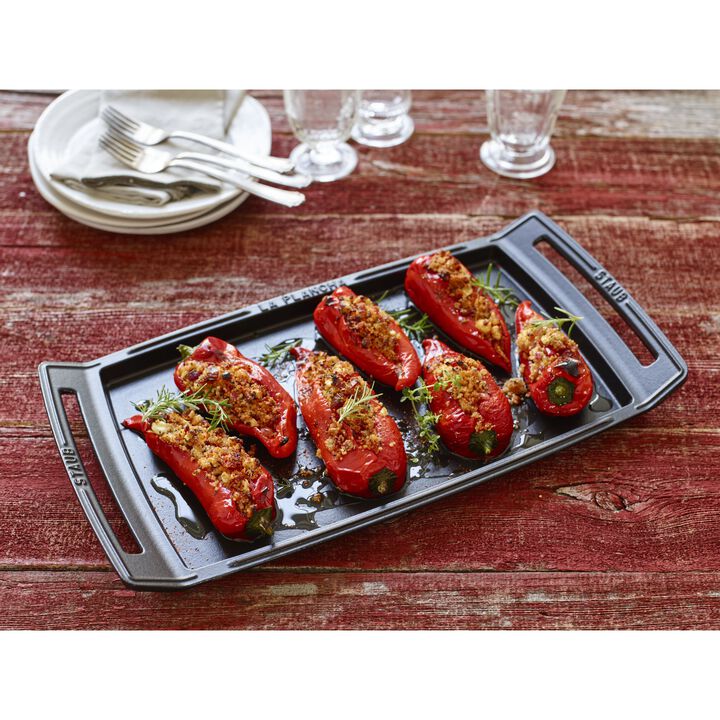
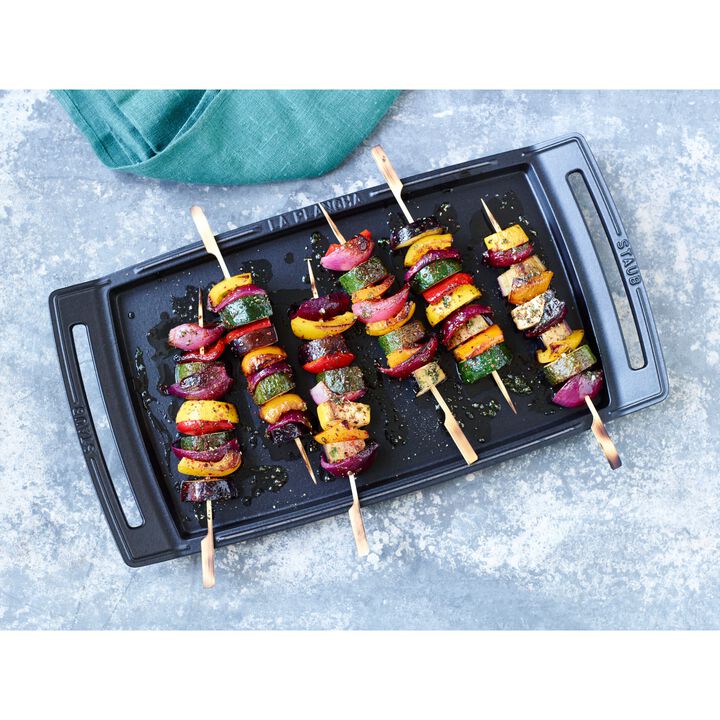
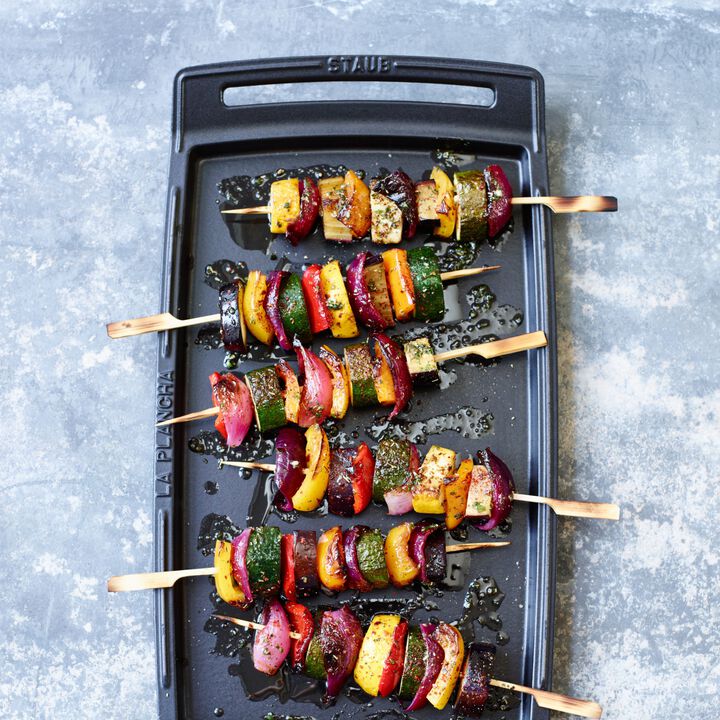
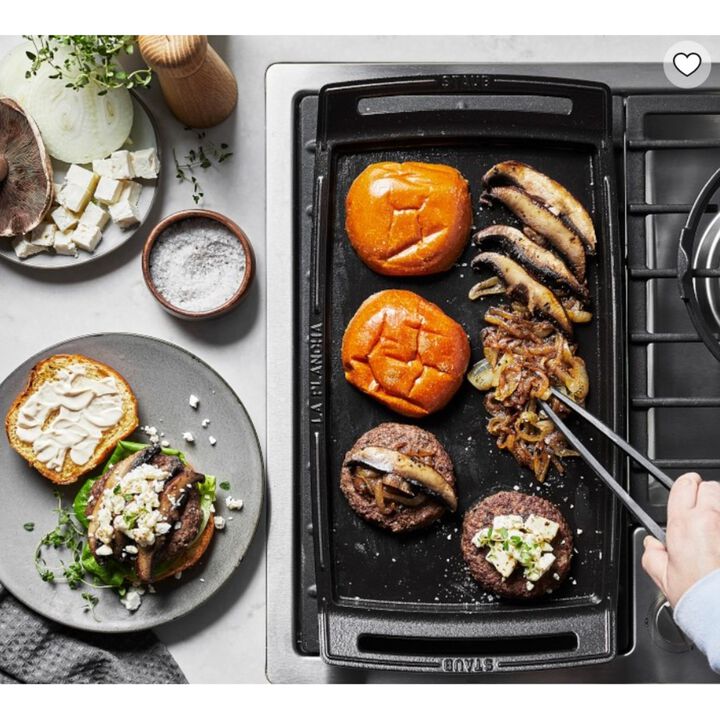
In contrast, griddle pans feature a smooth, flat cooking surface without grooves, making them ideal for frying eggs, pancakes, bacon, and other breakfast favourites. Both grill pans and griddle pans offer unique advantages, so the best choice depends on the dishes you plan to prepare and your preferred cooking style.
If you use a cast iron grill pan or griddle, proper care is essential to maintain its performance and longevity.
Cleaning Steps
- Allow the pan to cool after cooking.
- Clean it using hot water, coarse salt, and a sponge to remove any stuck-on food.
- For stubborn residue, gently scrub with steel wool if necessary, taking care not to remove the seasoning.
- Rinse thoroughly.
Maintenance Tips
- Always dry the pan thoroughly to prevent rust.
- Apply a light coating of cooking oil after cleaning to maintain the seasoning and protect the surface.
- For coated griddles, use plastic or silicone utensils to help prevent scratching.
Seasoning an uncoated cast iron grill pan creates a natural non-stick surface, improves cooking performance, and helps protect the pan from rust.
Preparation
- Wash the pan thoroughly with warm water and mild dish soap to remove any factory residue.
- Dry the pan completely using a clean cloth or paper towel.
Seasoning Process
- Apply a thin, even coat of unsaturated oil, such as vegetable, canola, or flaxseed oil, over the entire pan, including the cooking surface, ridges, and exterior.
- Place the pan upside down on the centre rack of a preheated 375°F (190°C) oven. Place a baking tray or sheet of aluminum foil on the rack below to catch any drips.
- Bake for approximately one hour to allow the oil to polymerize and form a durable seasoning layer.
- Turn off the oven and allow the pan to cool completely inside before removing it.
Repeat the seasoning process several times when the pan is new or whenever the seasoning begins to wear away to maintain a durable, naturally non-stick cooking surface.
Choosing the best grill pan depends on several factors.
- Material: Enamel-coated cast iron offers excellent heat retention and is dishwasher safe. Traditional seasoned cast iron delivers superior searing and grill marks but requires hand washing and regular seasoning. For the best char, uncoated cast iron is the preferred choice.
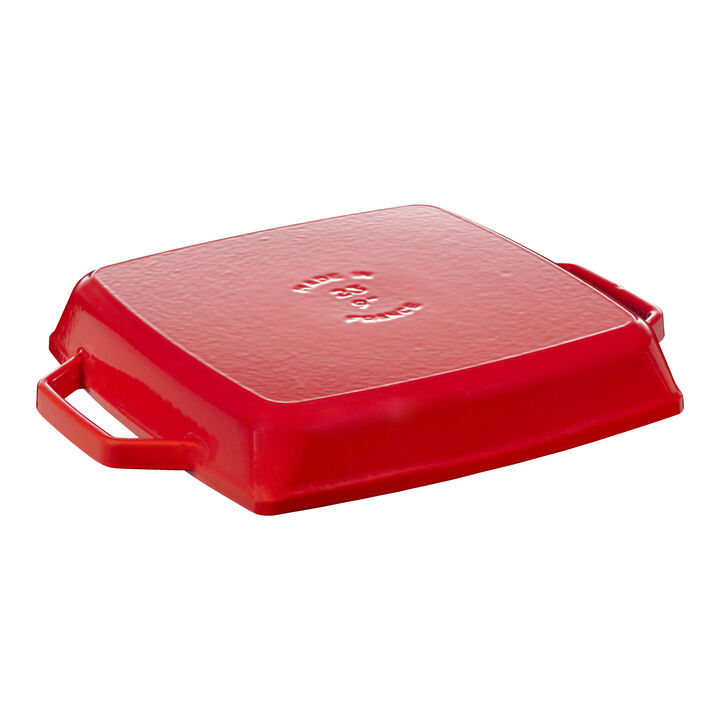
- Size and Shape: Select a pan that suits your cooktop and the number of servings you typically prepare. Square grill pans generally provide more cooking space and fit gas burners well.
- Weight: Heavier grill pans retain heat more effectively, helping to produce consistent cooking results.
- Design Features: Look for tall, shallow sides, integrated pour spouts for draining grease, and a long, comfortable handle that stays cool and is oven safe for added versatility.
- Heat Distribution: Choose a pan with even heat distribution and well-defined raised ridges that create attractive grill marks while keeping food elevated above excess grease.





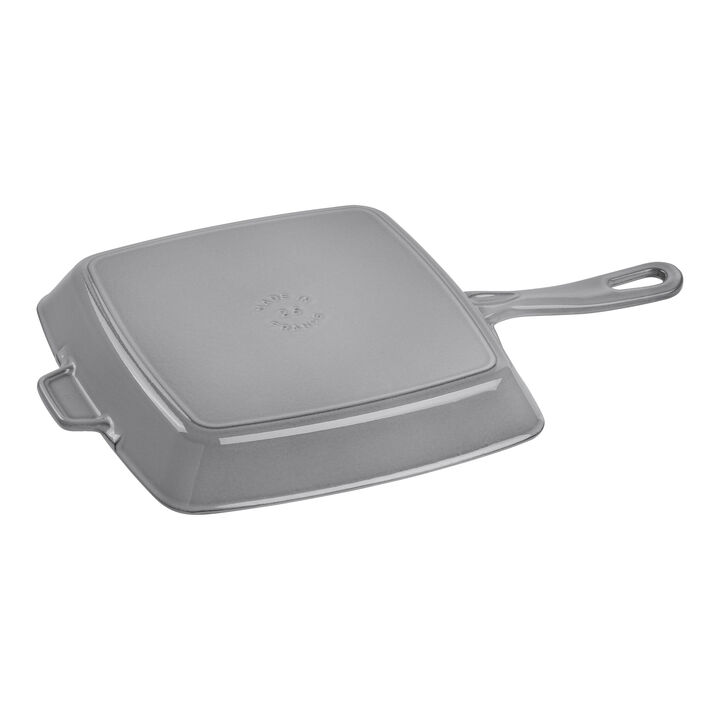
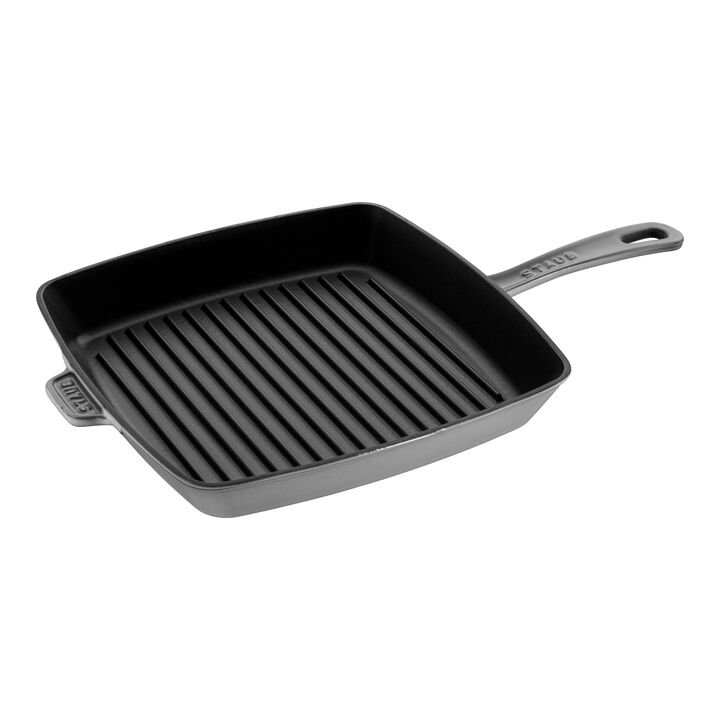
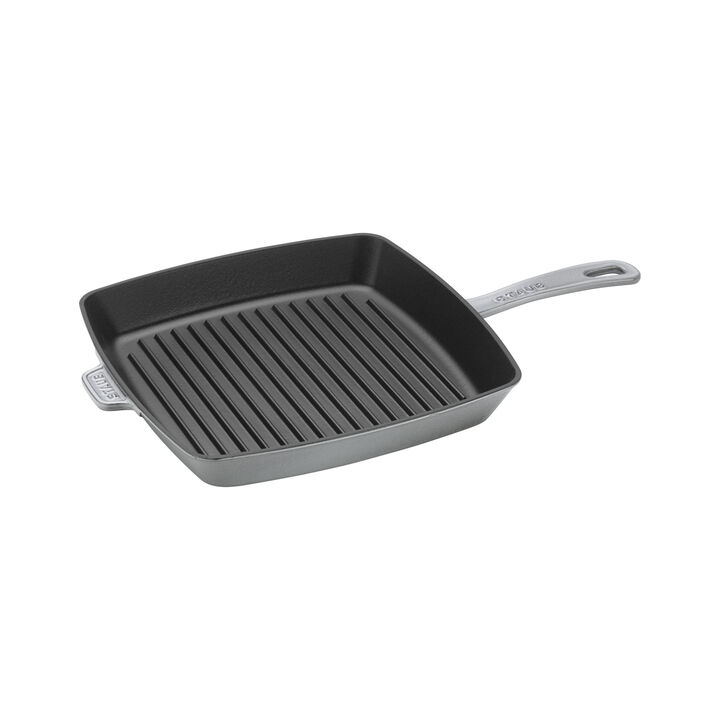
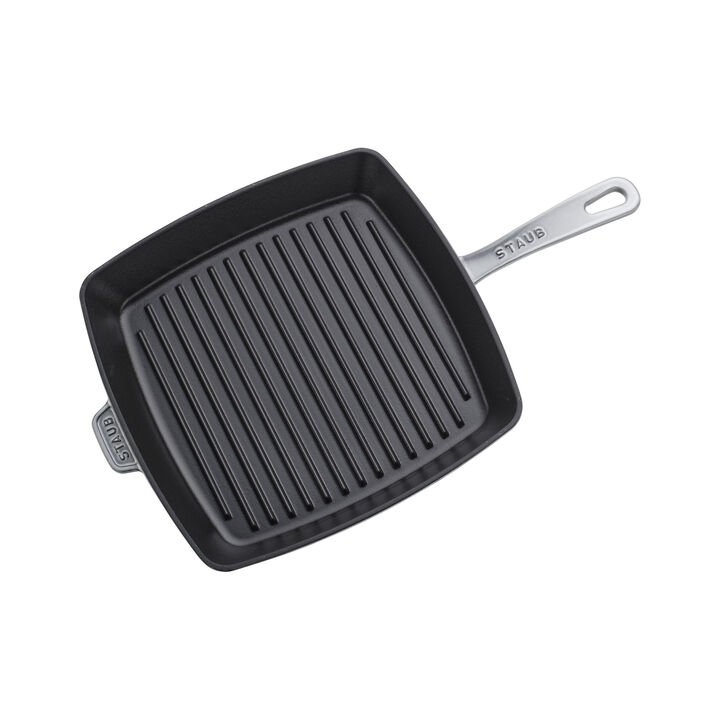
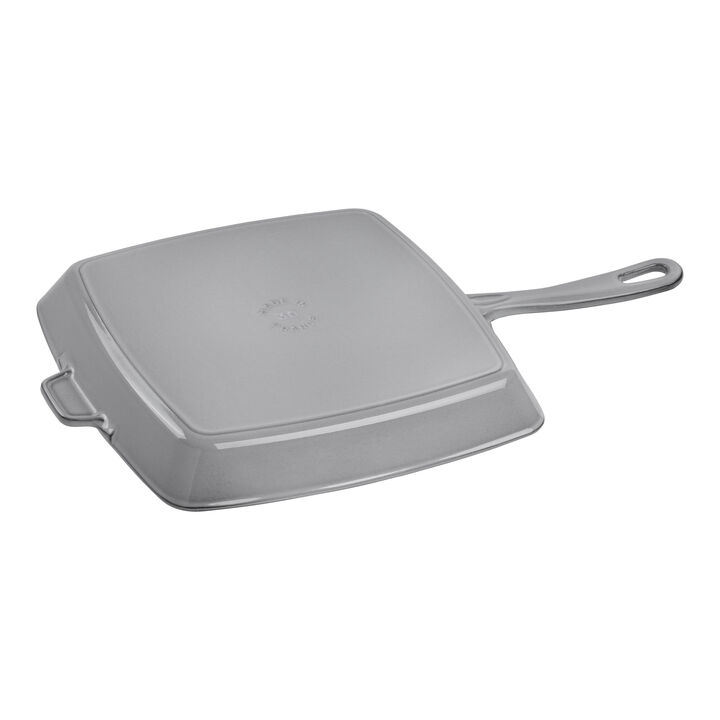
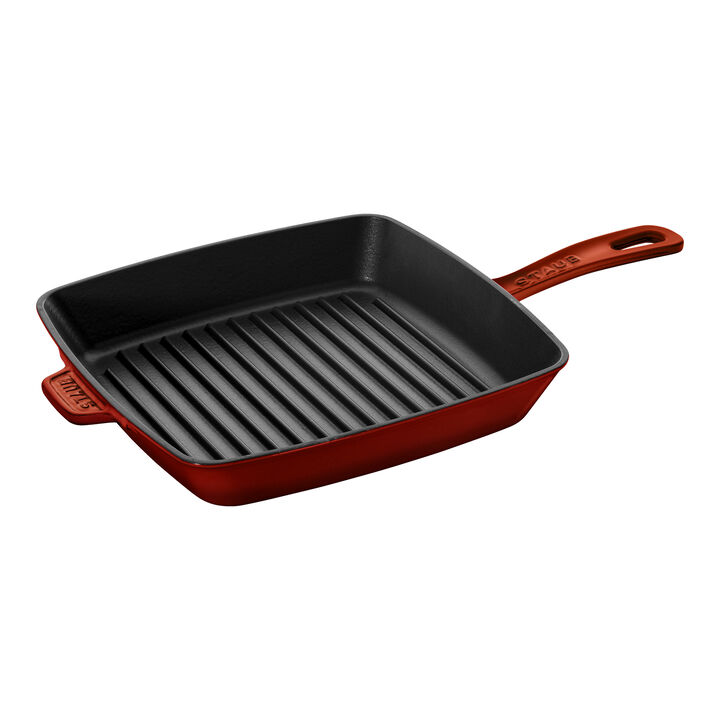
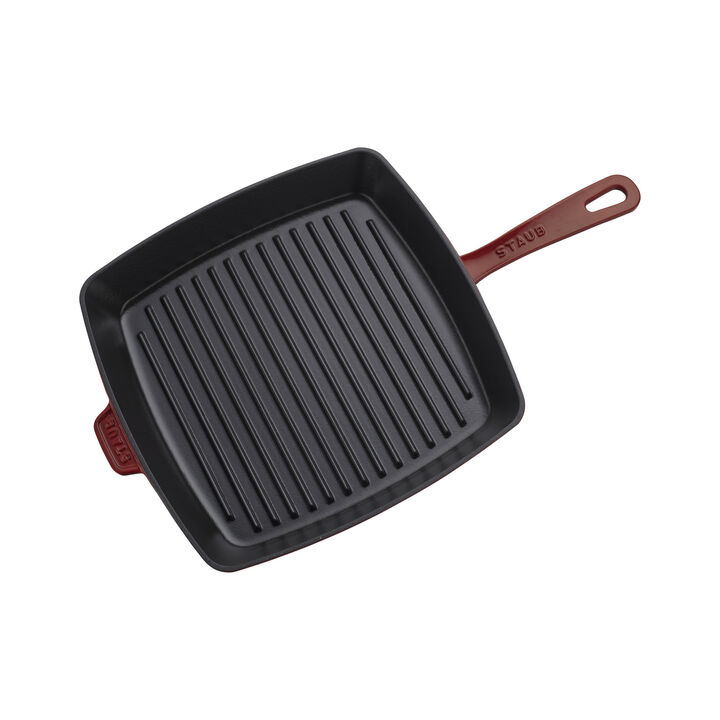
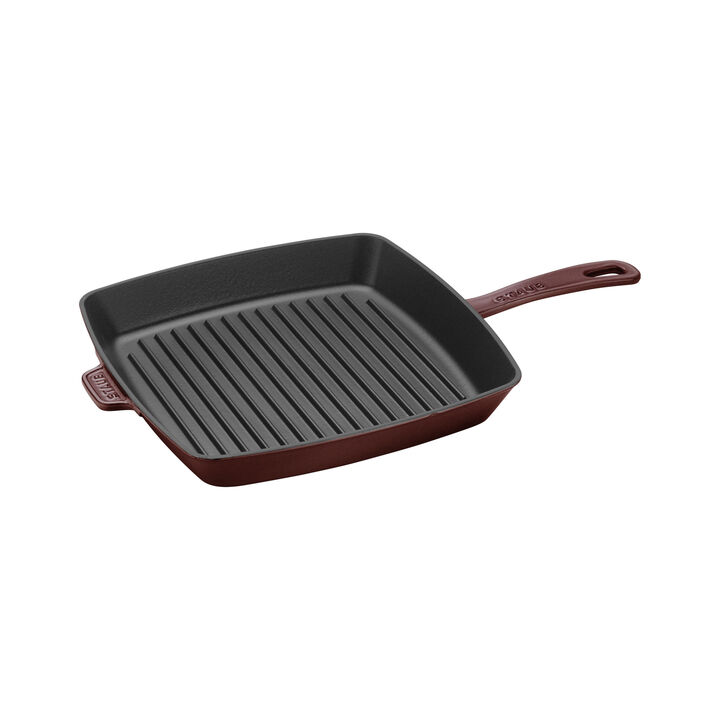
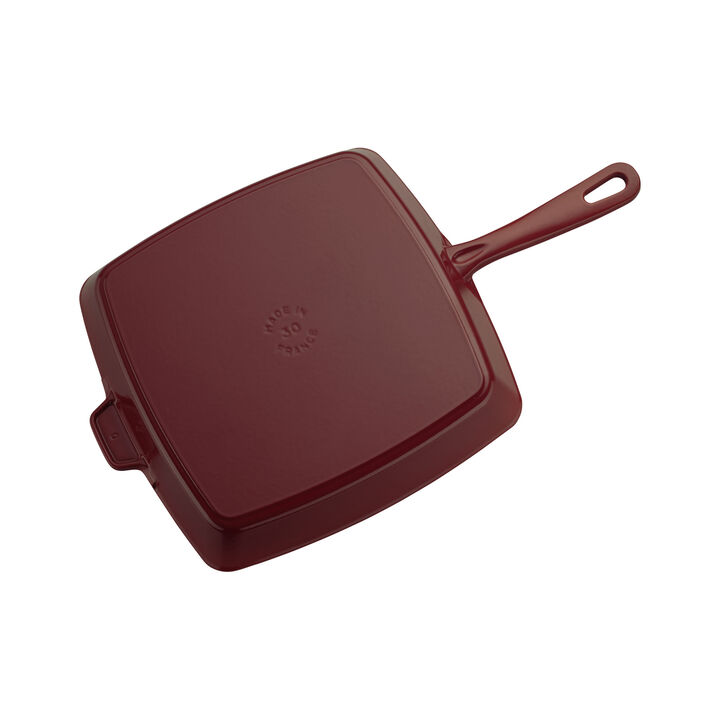
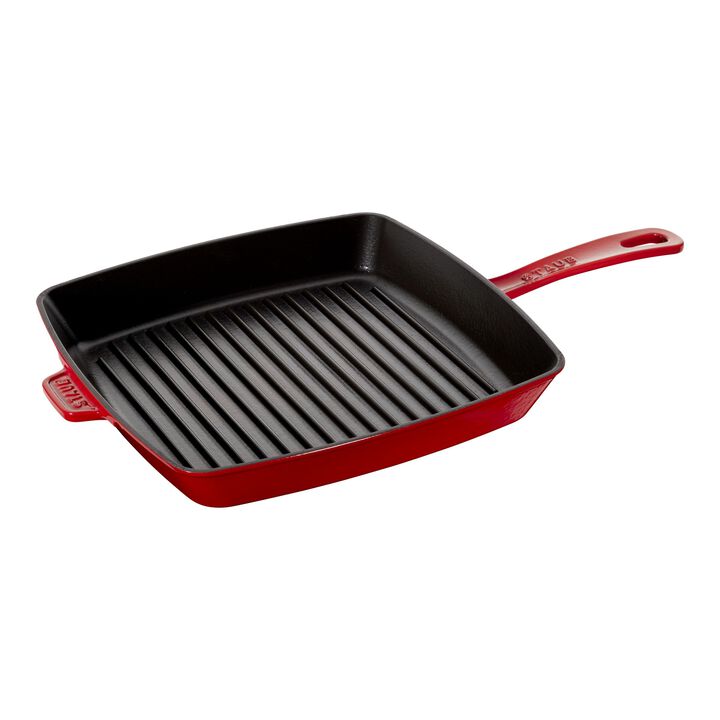
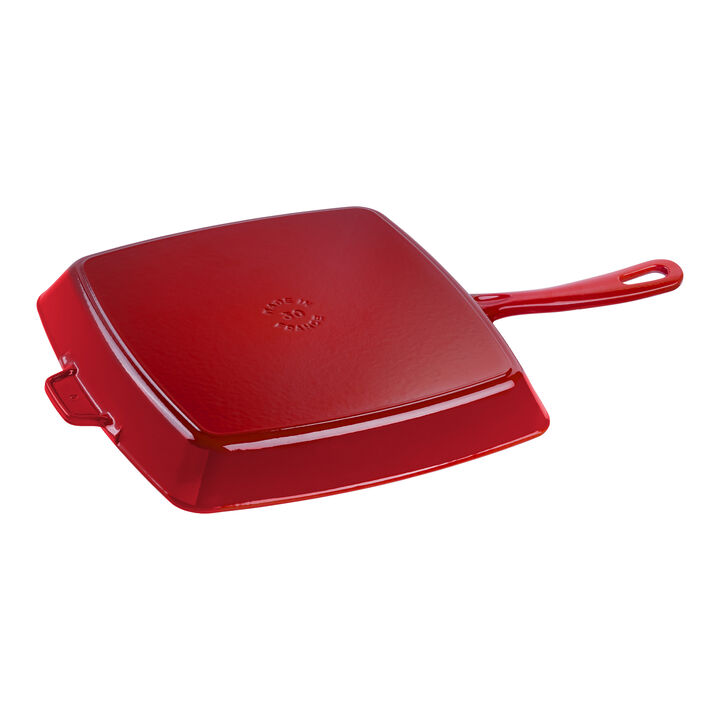
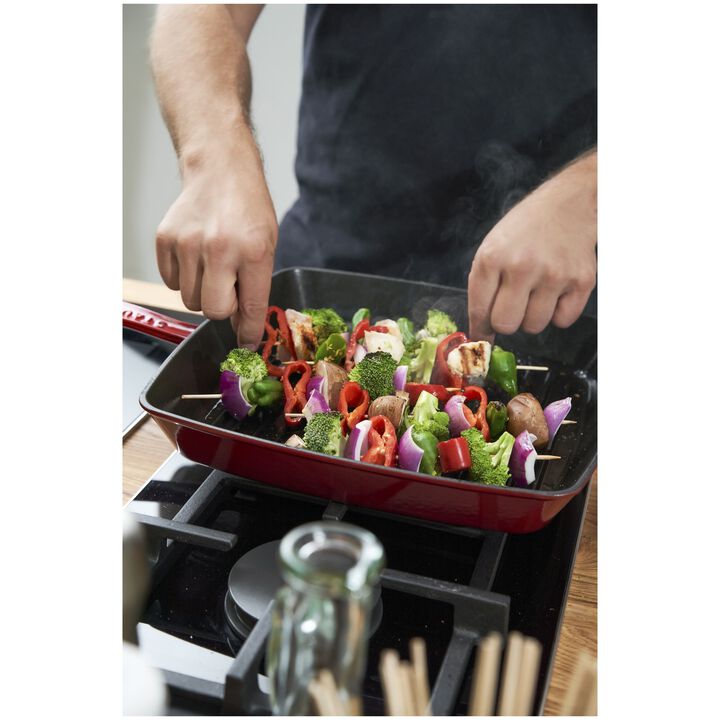

Grill Pans
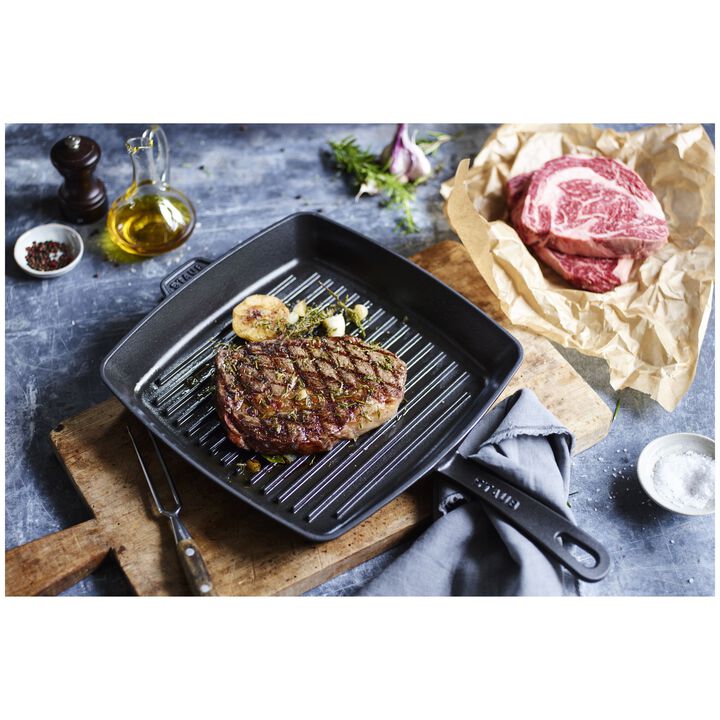
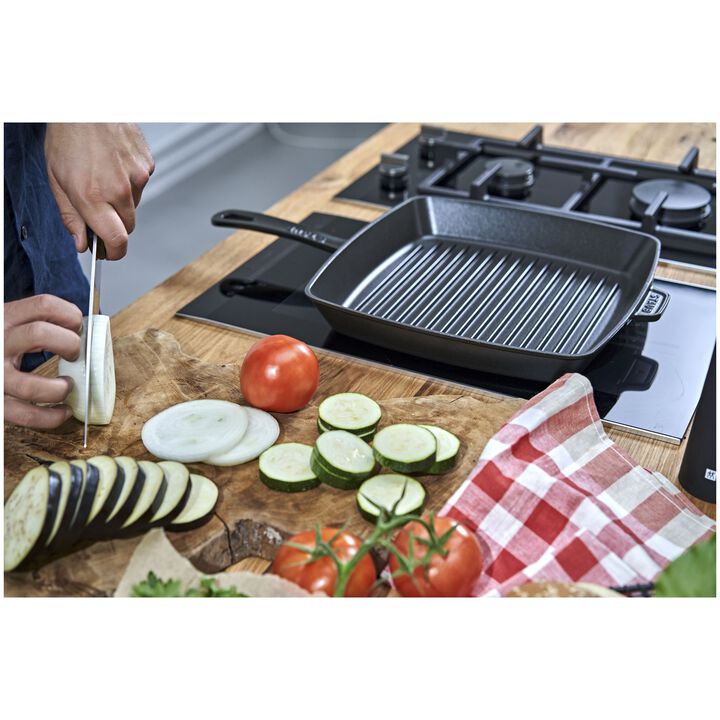
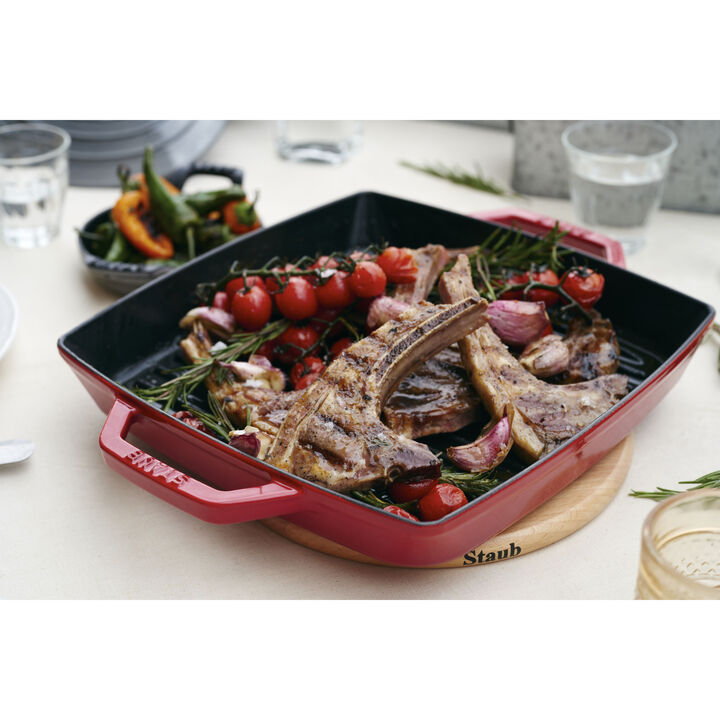
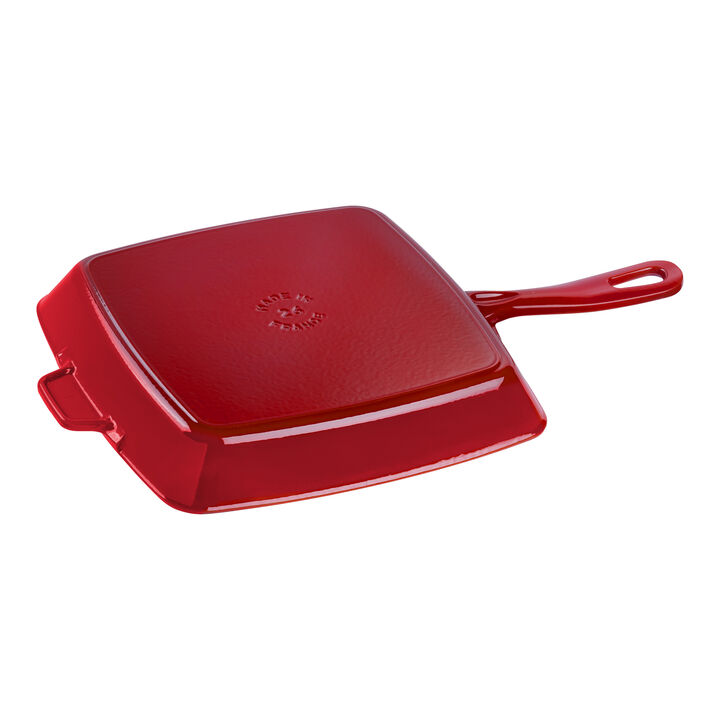
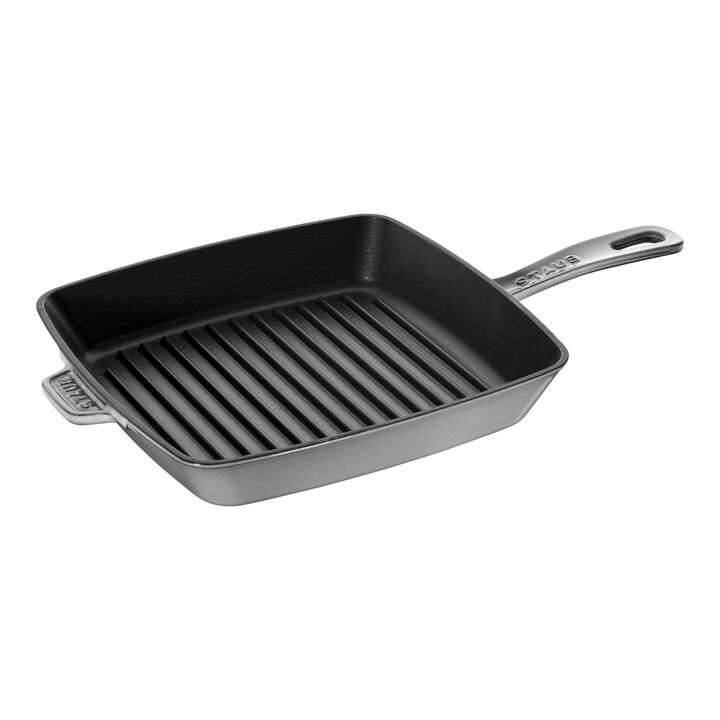
Grill pans offer a convenient way to enjoy grilled flavors and textures indoors, especially during colder months. Made from cast iron, our pans provide excellent heat transfer and retention, allowing food to cook evenly at high temperatures. The grooved bottom of the pan creates the classic grill marks that mimic outdoor grilling. Whether you use an outdoor grill, gas stove, or electric cooktop, a grill pan is a versatile kitchen tool that brings the taste of barbecue to your home all year round. Many of our grill pans are also oven safe, enabling you to sear food on the stovetop and finish cooking in the oven seamlessly.
Advantages of Grill Pans
- Compatible with induction, gas, electric, and ceramic stoves
- Enables gentle, low-fat cooking
- Produces classic grill marks and barbecue flavor
- Oven safe (check for removable handle)
- High heat resistance (especially cast iron)
Preheating Your Grill Pan
Frying in a grill pan is different from traditional cooking in a frying pan. The grill pan, e.g., made of cast iron with grooves, must be first heated to the desired temperature. To achieve the best grill marks and even cooking, it is essential to preheat your grill pan properly. Place the pan on your stove over medium to medium-high heat and allow it to warm up for several minutes. Cast iron pans retain heat well, so once hot, they maintain a steady temperature ideal for grilling. Avoid overheating, as excessive heat can damage the pan’s seasoning or enamel coating.
Caution: Never leave the cooking area while heating up! If it starts to smoke, there is too much heat.
Adding Oil and Cooking Food
After preheating, add a small amount of oil with a high smoke point, such as canola or vegetable oil, to the pan. Use just enough to lightly coat the grooves and prevent sticking. Place your food carefully onto the ridged surface, ensuring it makes contact with the raised grates to create the characteristic grill marks. Avoid overcrowding the pan to maintain proper heat circulation and prevent steaming.
Managing Heat and Avoiding Cool Spots
Cast iron grill pans distribute heat evenly, but every cook should do their best to avoid any cool spots where food cooks unevenly. To minimize this, choose a pan that matches your burner size and avoid using a flame that extends beyond the pan’s edges, especially on a gas grill. Adjust heat as needed during cooking to maintain consistent temperatures and achieve the best grill marks.
Cleaning and Maintenance Tips
After cooking, allow the grill pan to cool slightly but not completely before cleaning.
For enameled cast iron pans:
- Use a non-abrasive sponge with warm water and mild detergent to remove food residues.
- Rinse and dry thoroughly.
For uncoated cast iron pans:
- Scrub with a brush or sponge, warm water, and coarse salt.
- Rinse and dry the pan thoroughly to prevent rust.
- Apply a thin layer of unsaturated oil to preserve the seasoning.
Safety Precautions
Because grill pans can get extremely hot, especially cast iron models, always use oven mitts or heat-resistant gloves when handling. Be cautious of hot oil splatters from the raised ridges. When cooking on a gas grill or open fire, ensure the pan is suitable for such use to avoid damaging the coating or pan itself.
Looking for more than grill pans?
Browse through our pan sets to elevate your cooking experience, or perhaps consider our wide range of pots & pan sets to complete your kitchen collection. Feel free to take a look at which of our current offerings are on sale.


