


Crêpe Pans & Pancake Pans
Crêpe pans are specially designed cookware for making thin, delicate French-style pancakes known as crêpes, with a very low rim and thin base that help the batter spread easily, cook evenly, and flip cleanly. For home cooks and food enthusiasts who want more consistent results than a regular frying pan usually gives, that design makes it much easier to achieve the thin texture and light browning good crêpes require. Unlike standard skillets, crêpe pans pair low sides with an easy-to-control handle, so you can swirl batter quickly and lift or turn the crêpe without tearing it. With the right pan and a few simple techniques, you can make evenly cooked, crisp-edged crêpes and other flatbreads far more reliably.
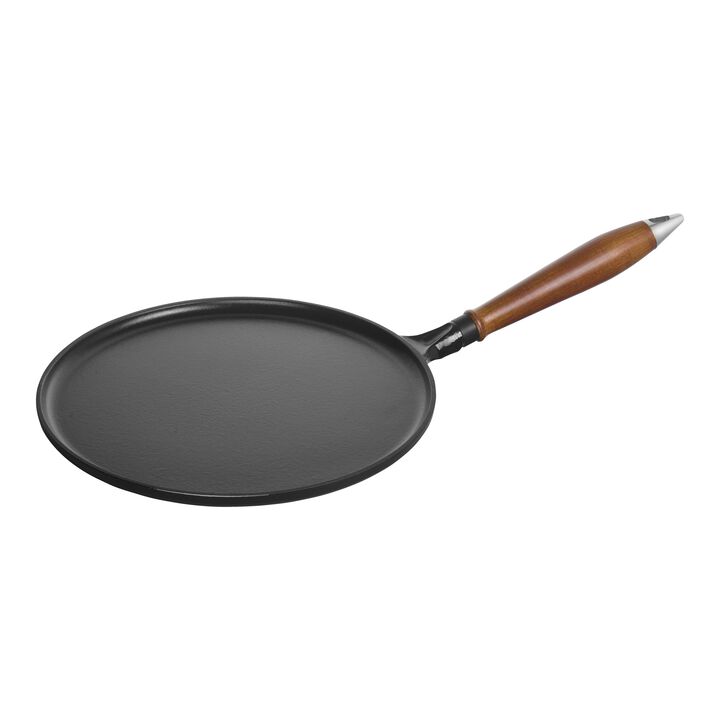
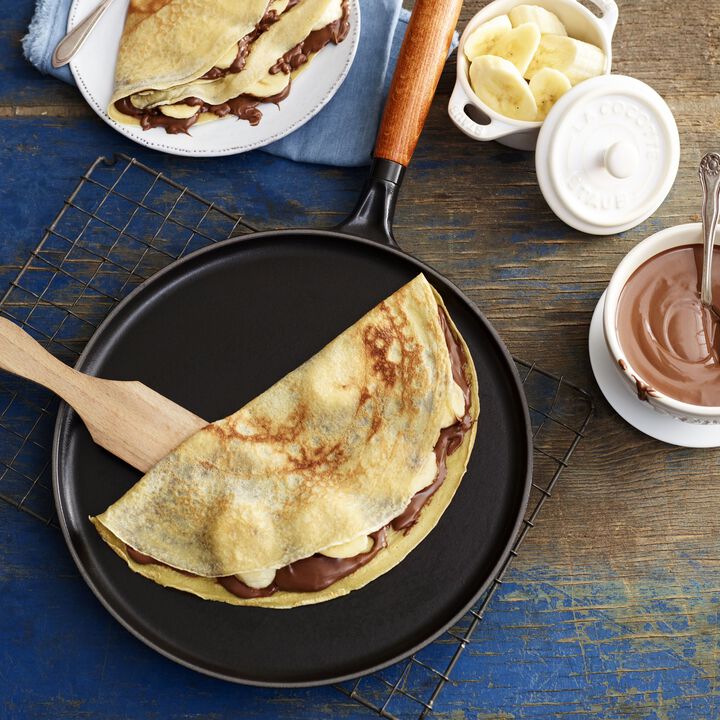
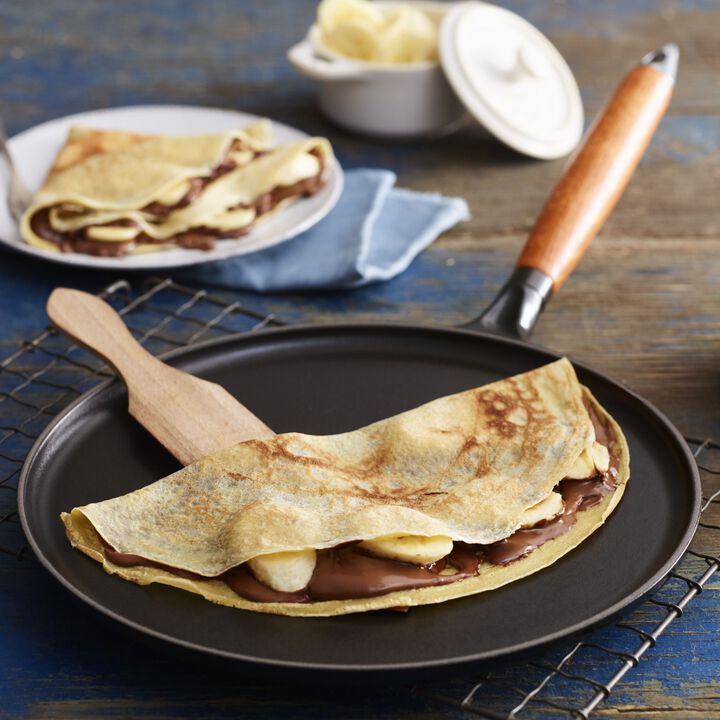
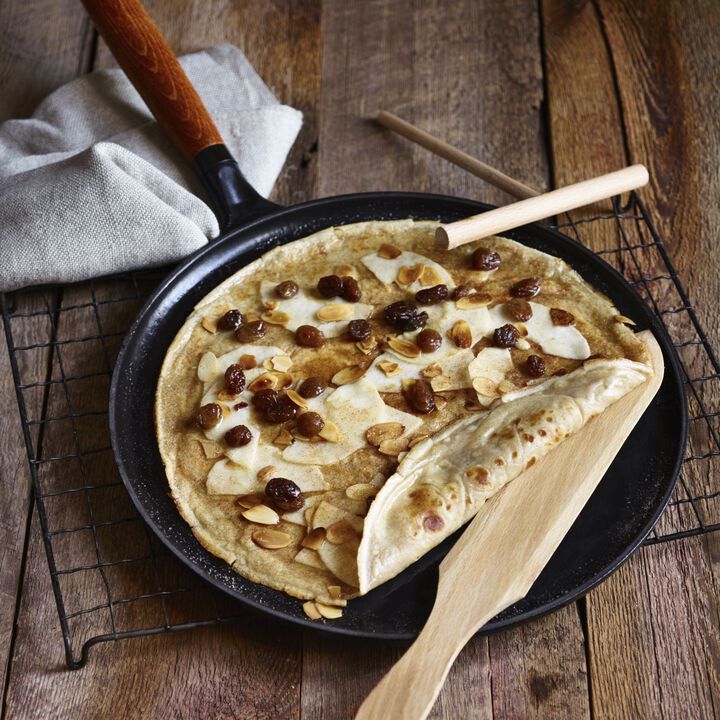

Crepes Pans
The best methods to for making crepes and pancakes is with these crepe pans
Thin pancakes from France have become a beloved specialty in many countries. To achieve their signature flat shape, they must be cooked in a specialized crepe pan. This type of pan is designed specifically to meet the unique requirements of crepe making, setting it apart from regular pans. When choosing a crepe pan, there are several important features and criteria to consider to ensure you get the best results every time.
Traditionally crepes were not even prepared in a pan, but on a flat, hot plate. This is something the conventional household doesn't have, so crepe pans were invented. The main features of a speciality pancake pan:
A shallow rim
Crepe pans have only a very shallow rim. This ensures that the batter cooks as thinly and flat as possible. The flat rim also prevents the crepes from tearing. Most crepe pans have a rim of only about 2 cm.
Thin base
Crepe pans have a very thin base. This enables even heat distribution.
Light in weight
The pancake pan is significantly lighter due to the flat rim and thin base. It must sit well in the hand, so that the crepes can be turned easily.
Ergonomic pan handle
For ease of handling, the pan's handle is ergonomically shaped and sits well in the hand.
Accessories
Some crepe pans are supplied with the right accessories for preparing the flat pancakes. This includes a pusher with which you can turn the crepe, a spatula for shaping them, and a ladle you can use to pour batter into the pan in a measured amount. On a wooden batter spreader, handle length also matters, because a handle that is too short can make it awkward to use.
NB: You don't only have to cook crepes in your pancake pan, you can cook other specialties such as tortillas, omelets, and fried eggs. It can be used in many ways in your kitchen.
Crepes can be made in a standard non-stick skillet but may be less efficient. A regular frying pan can work, but its smaller size and taller sides make spreading and turning crepes harder than with a good crepe pan. Crepe pans are specially designed to heat evenly and provide a perfectly flat surface, which allows the batter to spread crepe batter into a thin layer easily. Unlike a frying pan, crepe pans have very low rims that make it easier to swirl and spread crepes evenly without the batter pooling or running over the edge, since the sides do not get in the way. This design helps in making crepes that are consistently thin and cooked evenly on both sides. Crepe pans sacrifice high walls to provide absolute flatness for cooking, which is essential for achieving the delicate texture and crisp edges that define perfect crepes. Additionally, the nonstick coating on many crepe pans ensures that the crepe batter does not stick, making flipping and removing crepes effortless and preserving their shape and flavor.
Whether you are using a traditional crepe pan or electric crepe makers, the ability to pan evenly and control heat settings is crucial for making crepes that are light, thin, and delicious every time.
Crepe pans are usually available in three varieties: cast iron, stainless steel or aluminum. Let's take a look at the advantages offered by each material.
1. Cast iron crepe pans
A pancake pan of cast iron has the advantage of being very robust and resistant. A cast iron pan can also become more naturally nonstick over time when it is properly washed, dried, and seasoned. For example, you can use it over an open fire and cook your pancakes in the garden. Another advantage is its high heat-resistance. Cast iron pans can withstand heat of up to 250°. It is also more durable, but heavier than carbon steel, which can make swirling batter and easy flipping more difficult. It's important that you rub these pans well with grease before use.
2. Aluminum crepe pans
Aluminum crepe pans have a special non-stick coating. This has the advantage that the thin pancake batter doesn't stick to the pan base. You should only use a wooden spatula and a wooden pusher in an aluminum pan so as not to damage the coating. Alu-pans are very light and therefore comfortable to handle.
3. Stainless steel pancake pans
You always have to be careful to set the right temperature with stainless steel pans, to prevent the batter from sticking. On the other hand a stainless steel crepe pan is visually very attractive and very easy to care for. It can still work well with a good recipe and proper heat control, but it is less forgiving than nonstick when you are learning to make crepes.
These days most pans can be used on an induction stove. Pure aluminum pancake pans should not be used on such a hob. They need an iron core in their base to be suitable for an induction hob. You can find out which crepe pans you can use on an induction hob on the relevant product detail page.
Going forward would you like to prepare the French pancake speciality yourself? Then you'll find the right crepe pan among this range.
Aside from making traditional crepes, a crepe pan is versatile enough for simple recipes beyond crepes, including other breakfast and brunch dishes, cooking flatbreads such as tortillas and naan, as well as preparing omelets, frying eggs, and even making pancakes. Its flat surface and low rim make it ideal for any dish that requires an evenly heated, smooth cooking surface and easy flipping or folding. This versatility makes the crepe pan a practical addition to any kitchen, enabling you to expand your breakfast or brunch repertoire beyond just crepes, and some electric crepe makers can also handle quesadillas and grilled cheese.
Proper maintenance and cleaning of your crepe pan are essential to keep it performing well and extend its lifespan. For crepe pans with a nonstick surface, it is best to avoid using metal utensils, since a metal spatula can scratch the coating even if it may be fine on more durable uncoated pans. Instead, use wooden or silicone tools such as a wooden batter spreader and a wooden spatula. After cooking, allow the pan to cool slightly before cleaning.
Hand wash nonstick crepe pans with warm, soapy water using a soft sponge or cloth. Avoid putting nonstick pans in the dishwasher, as dishwasher detergents and high heat can degrade the nonstick surface over time. Carbon steel pans are not dishwasher safe and should be dried thoroughly after washing to prevent rust. For carbon steel or cast iron crepe pans, which develop a natural nonstick patina with seasoning, clean the pan with hot water and a brush or sponge without soap to help preserve seasoning on both materials. Thoroughly dry these pans immediately after washing to prevent rust.
Season carbon steel and cast iron pans without any nonstick coverings regularly by applying a thin layer of oil and heating the pan until it smokes, then letting it cool. Store your crepe pan in a dry place, and if stacking with other cookware, place a paper towel or cloth between pans to protect the surface. Brushing finished crepes lightly with butter can also help keep stacked crepes from sticking together before serving.


