


Cast Iron Pans
cookware
All Filters
Flyout with all filters and corresponding filter values listed
Cookware > Pans > Cast Iron Pans
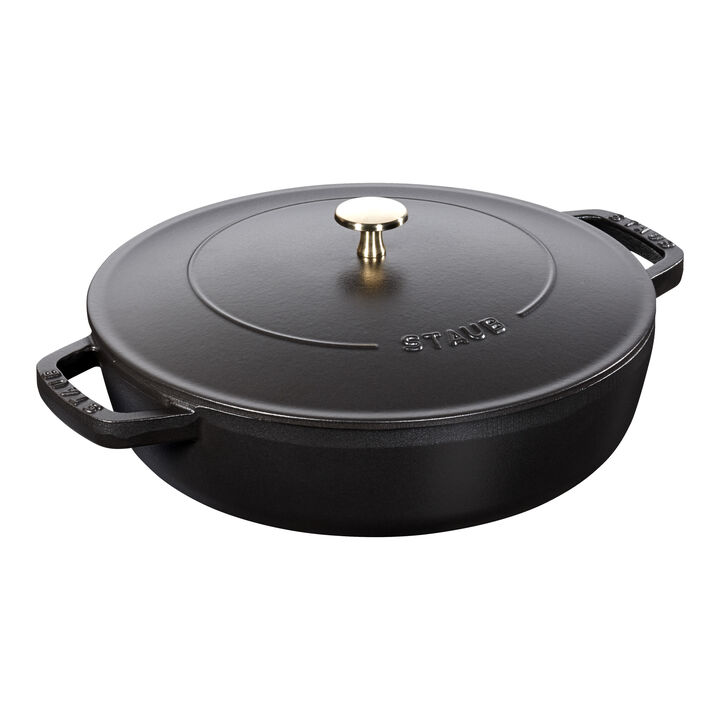
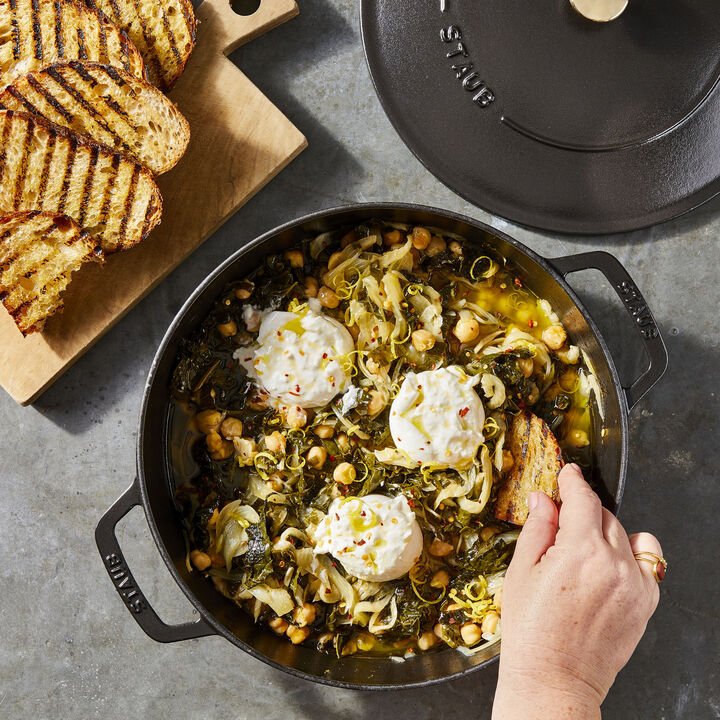
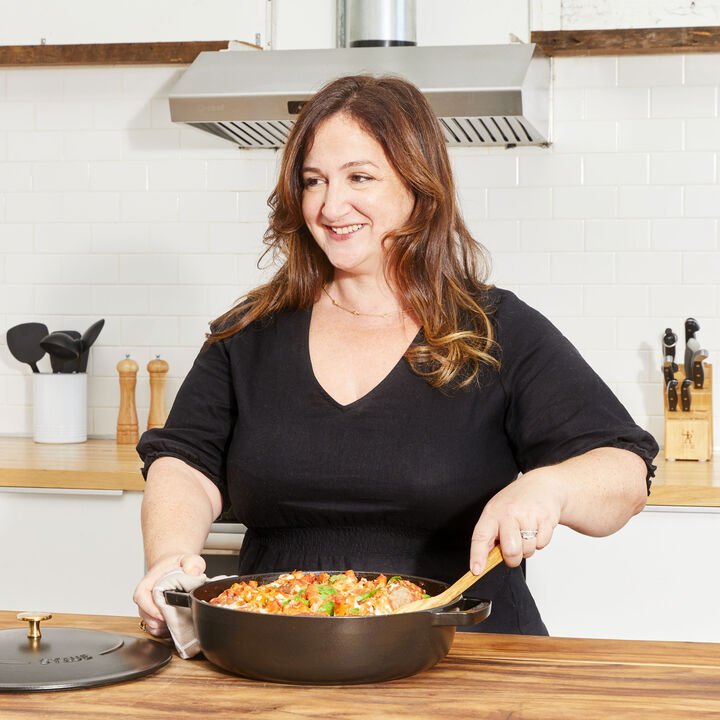
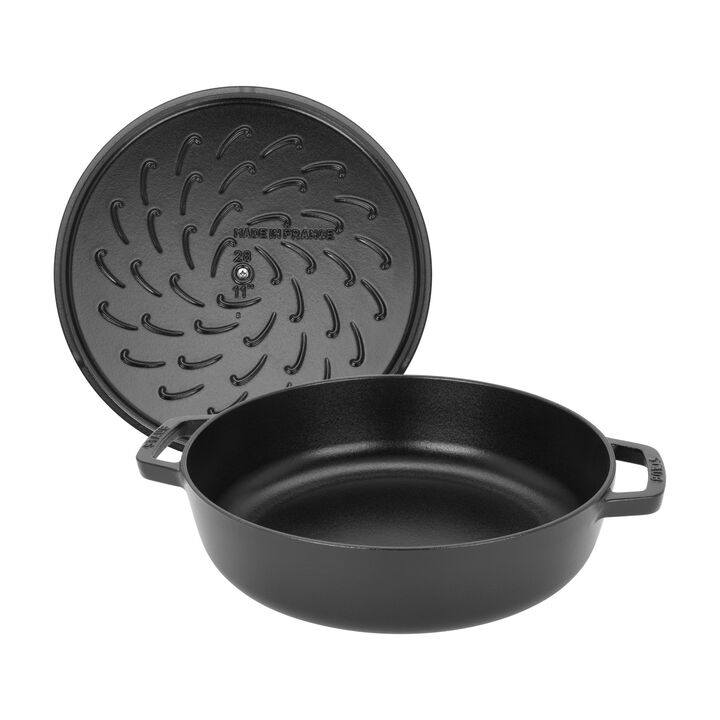


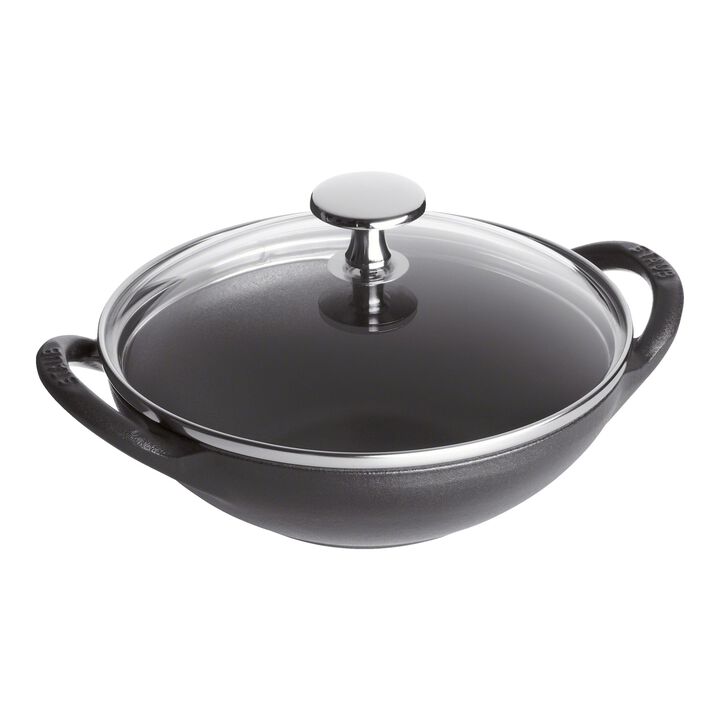
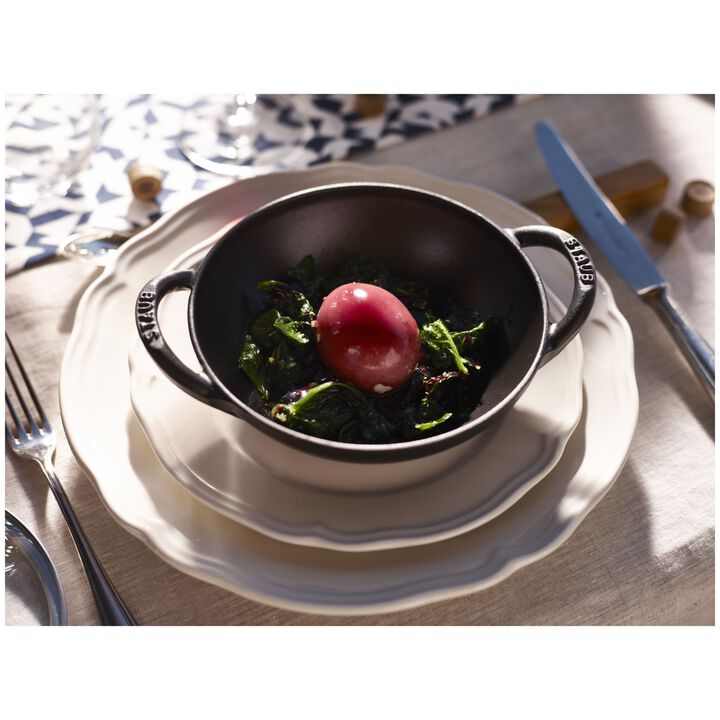
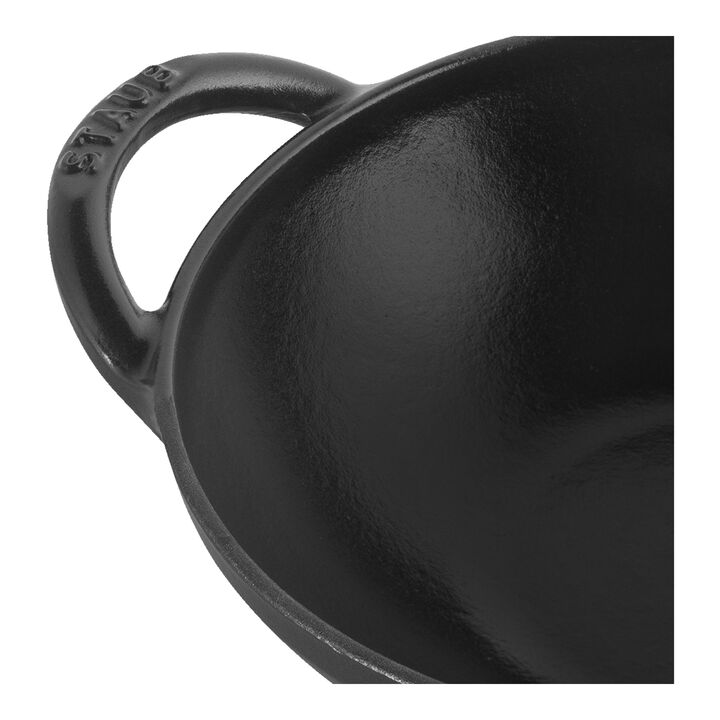


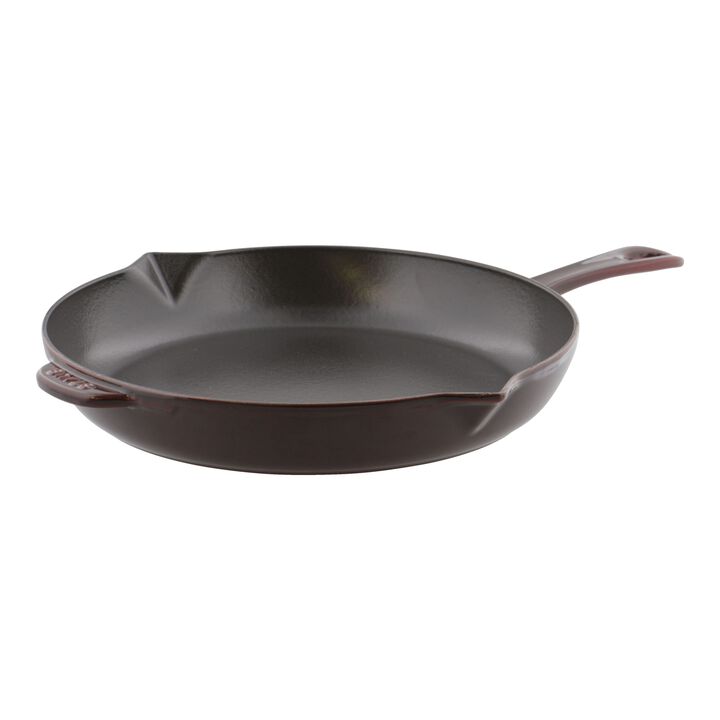

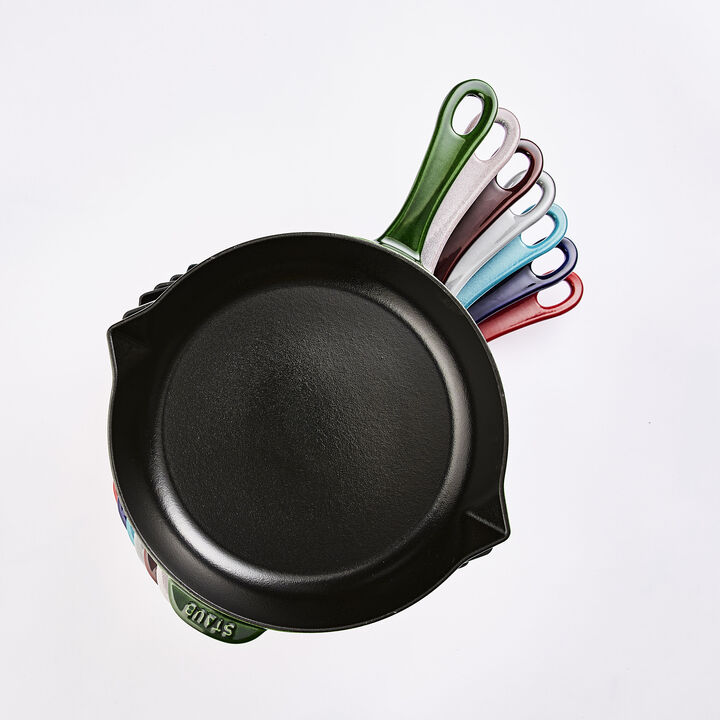
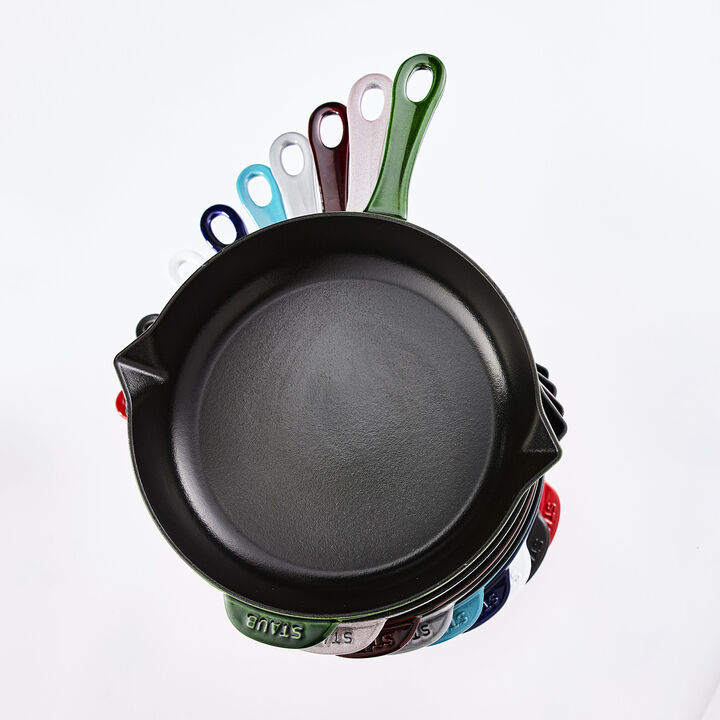

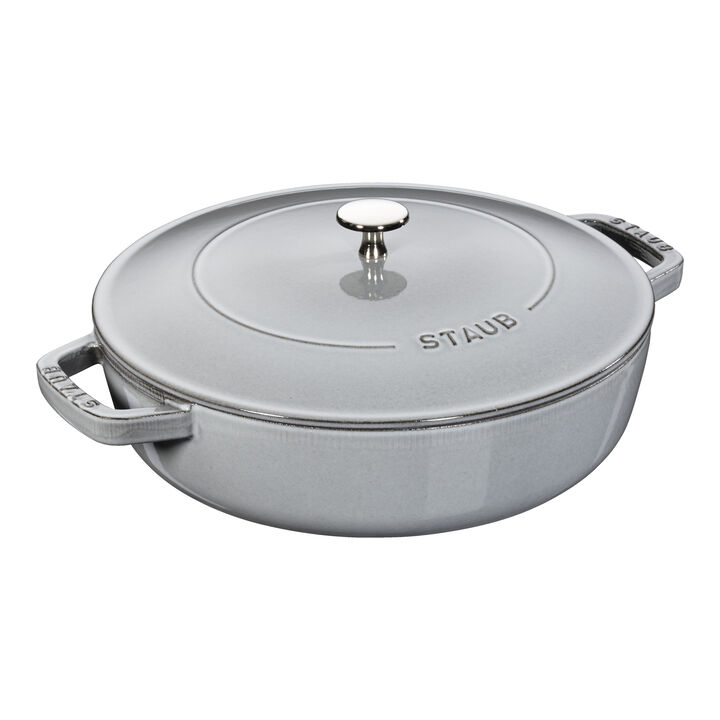
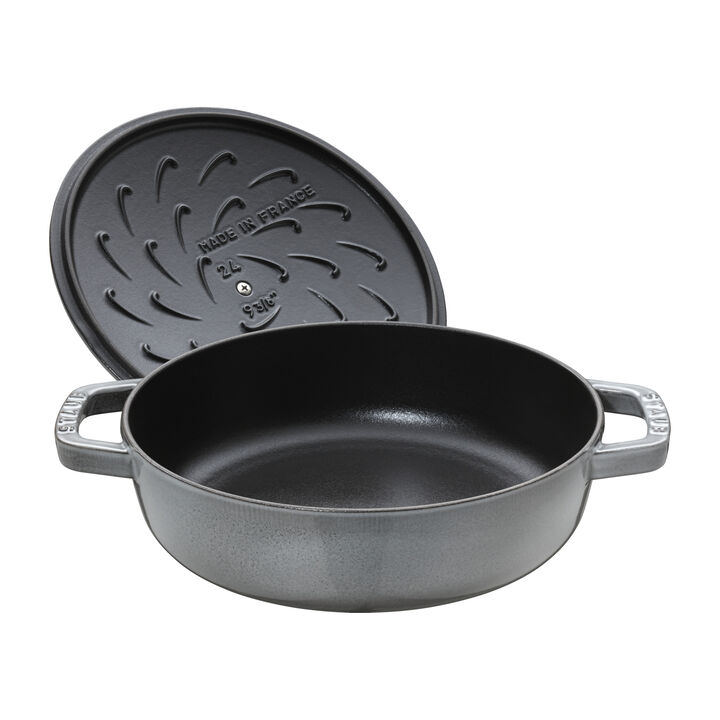
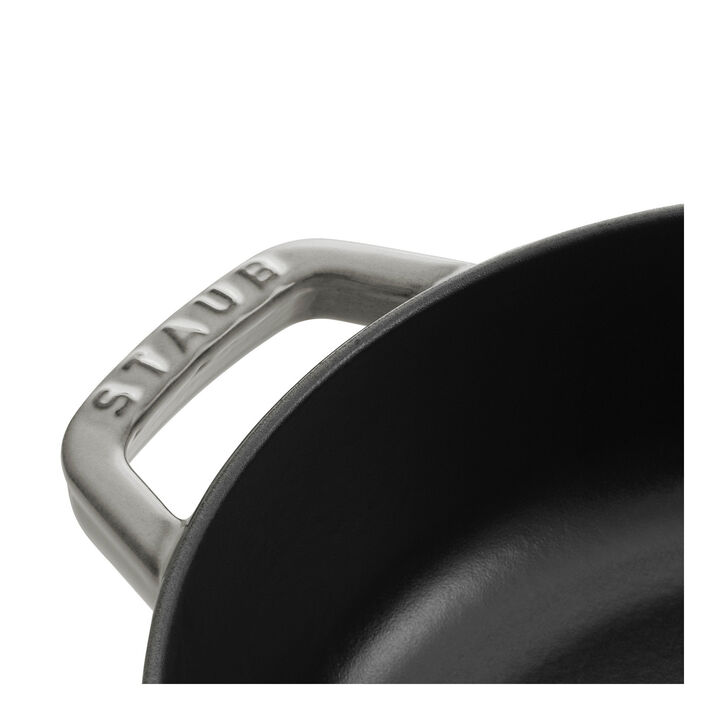
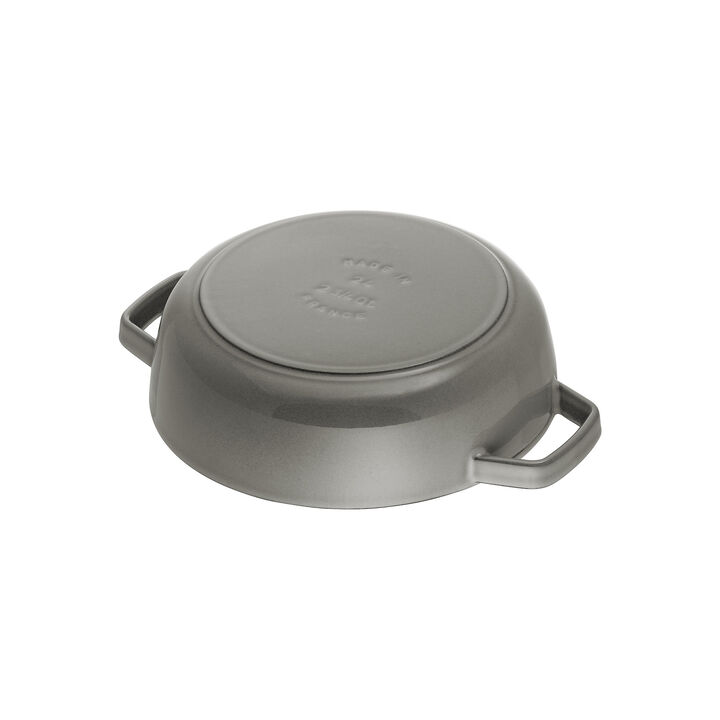
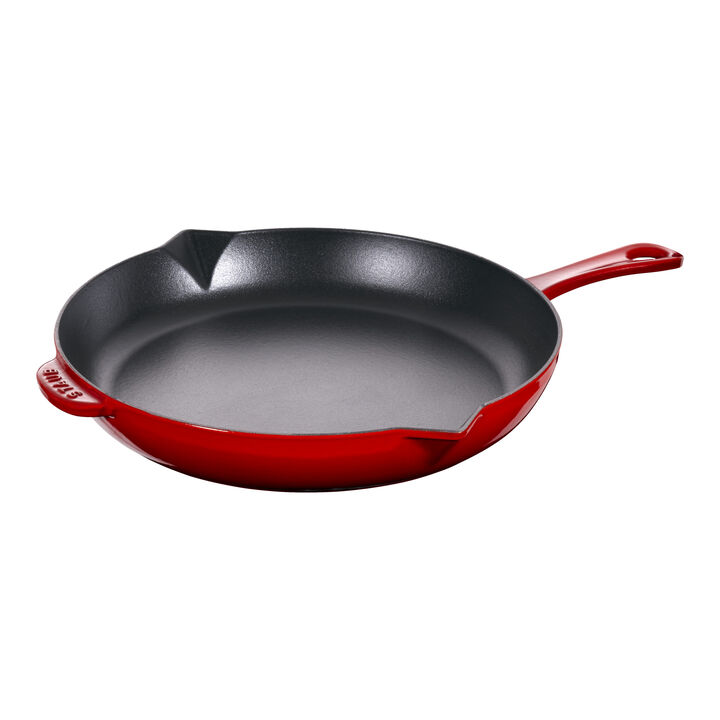
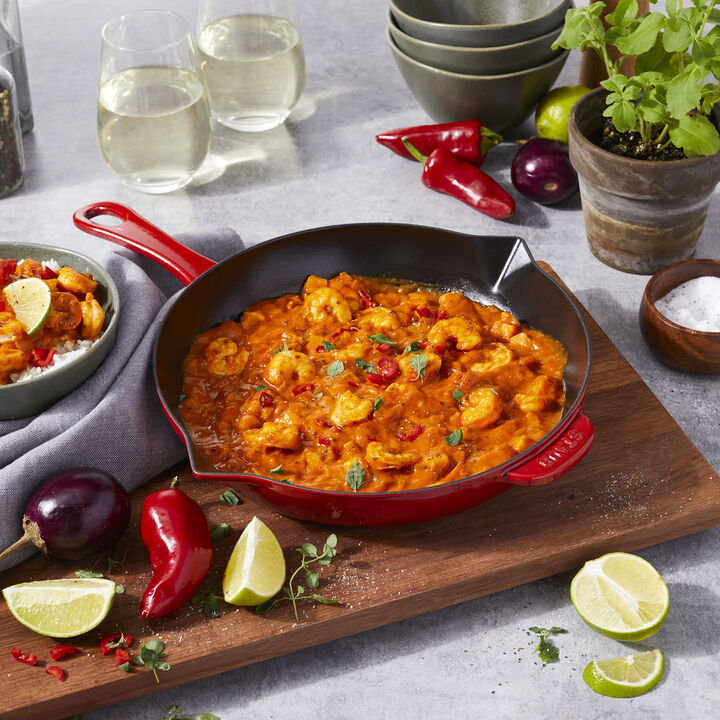
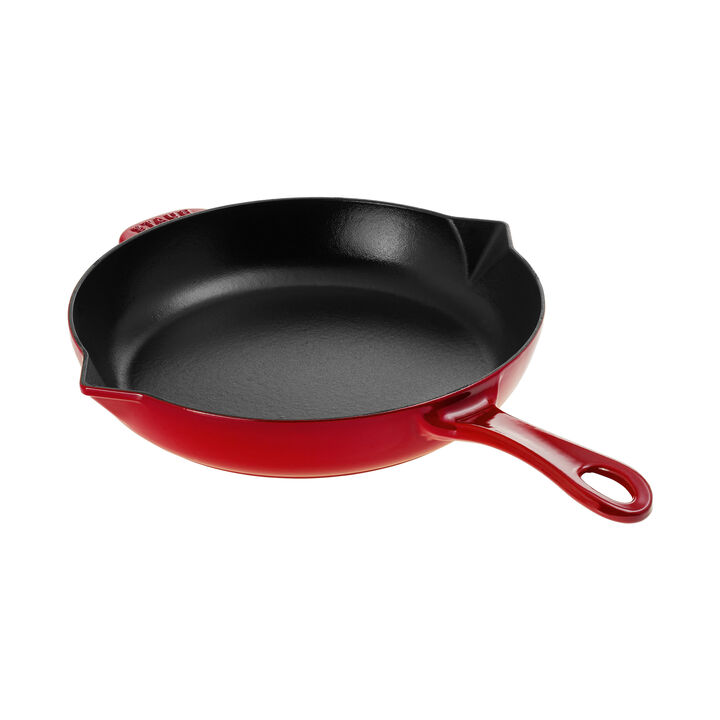
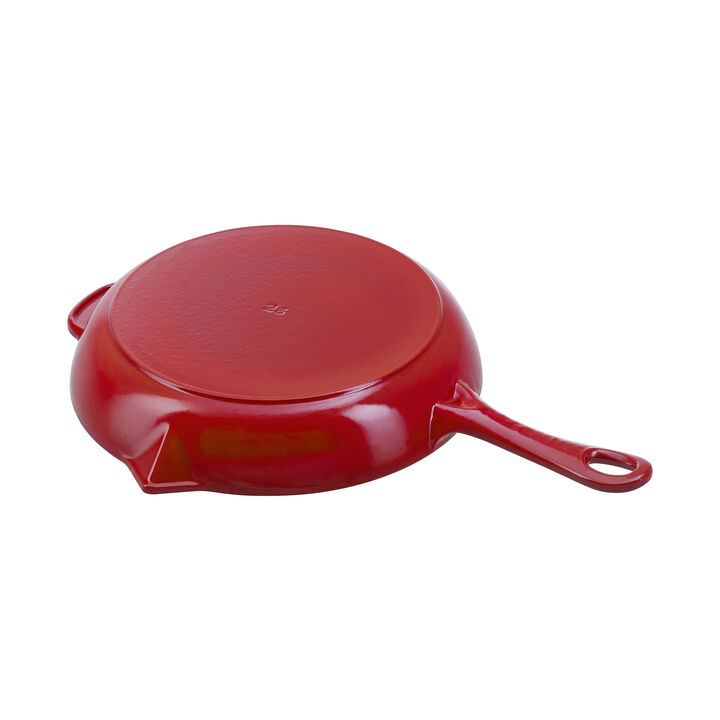
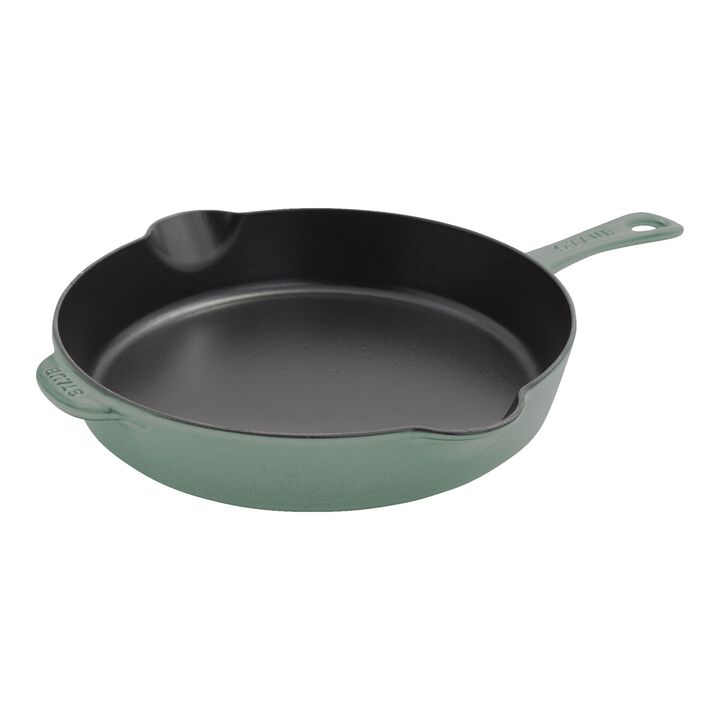

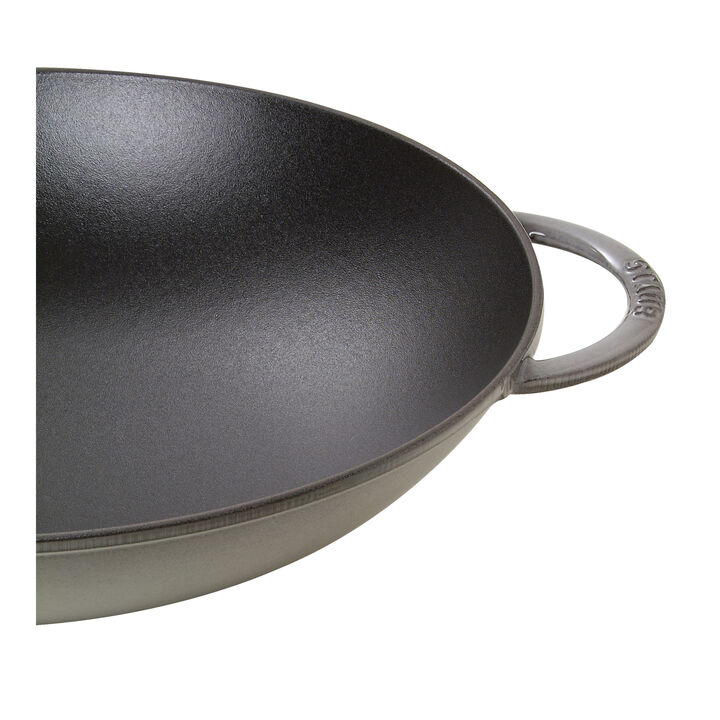
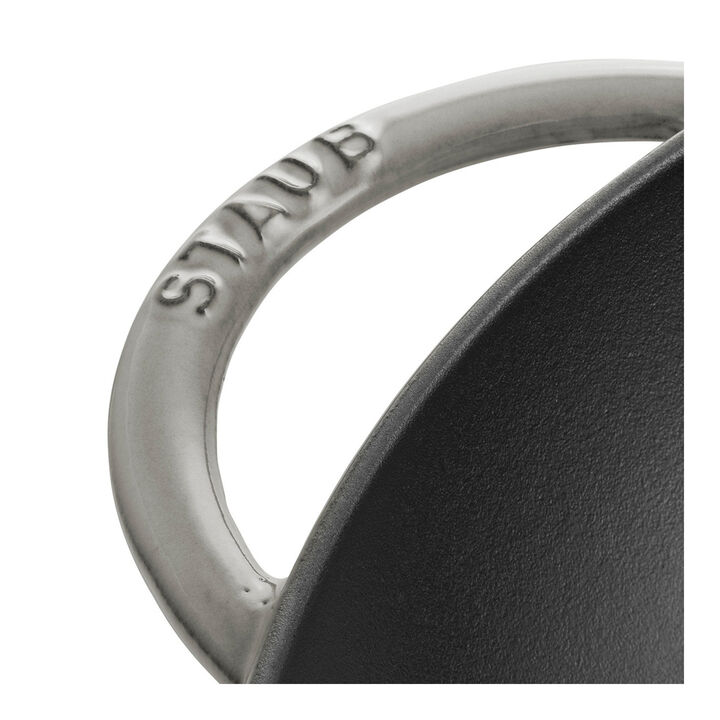
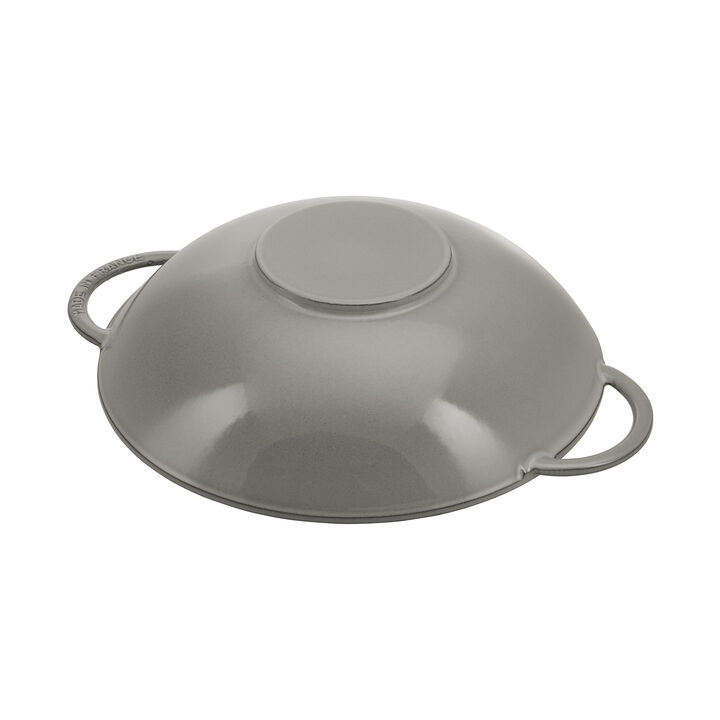

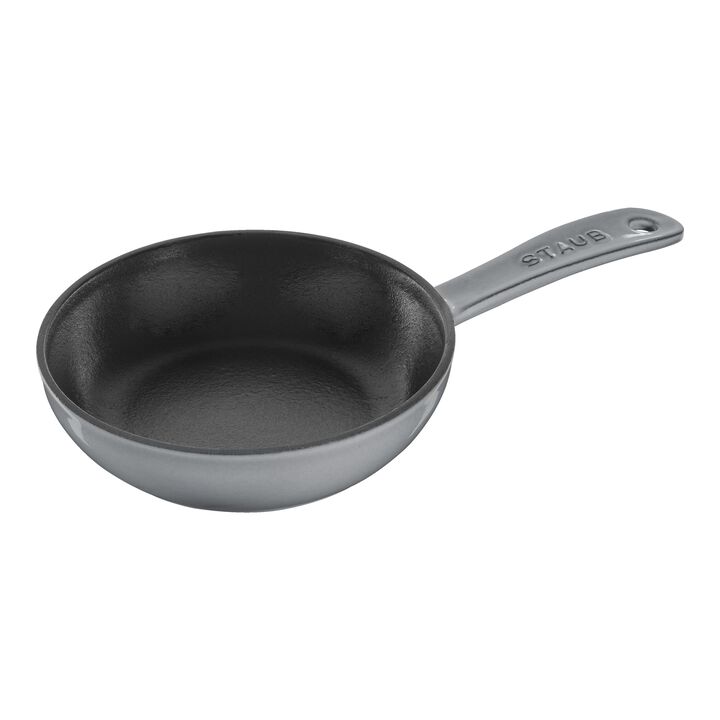
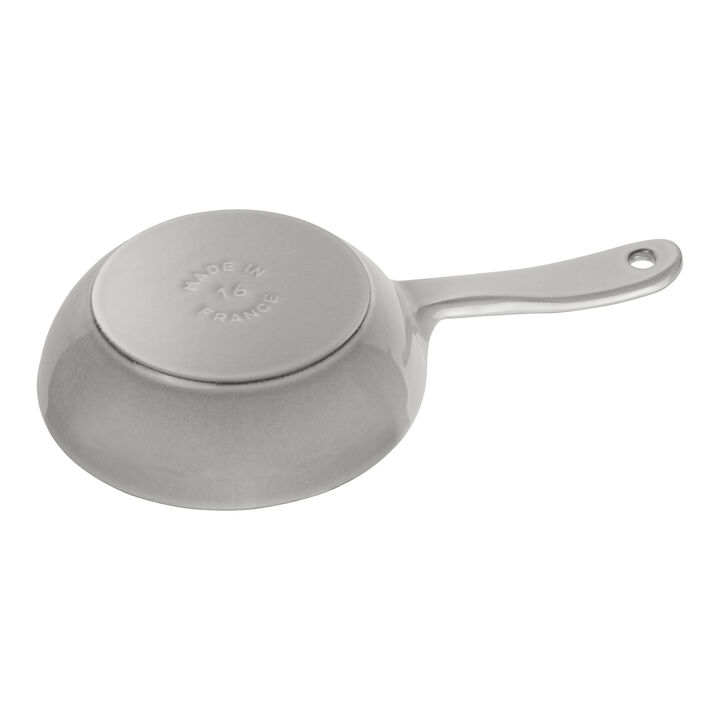
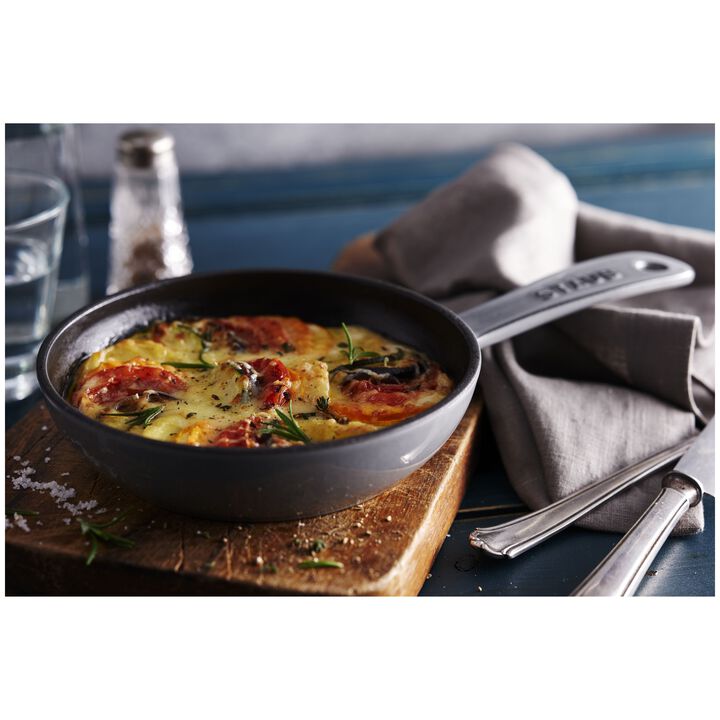
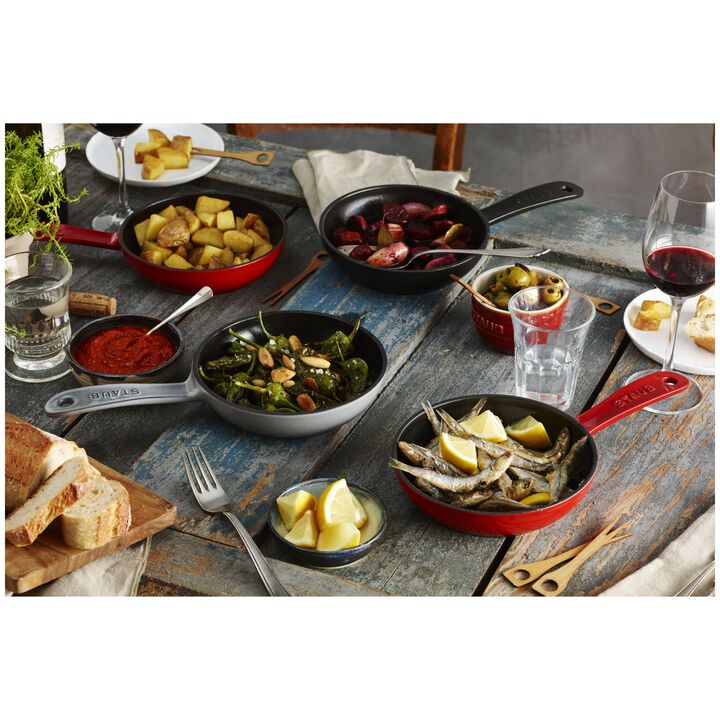

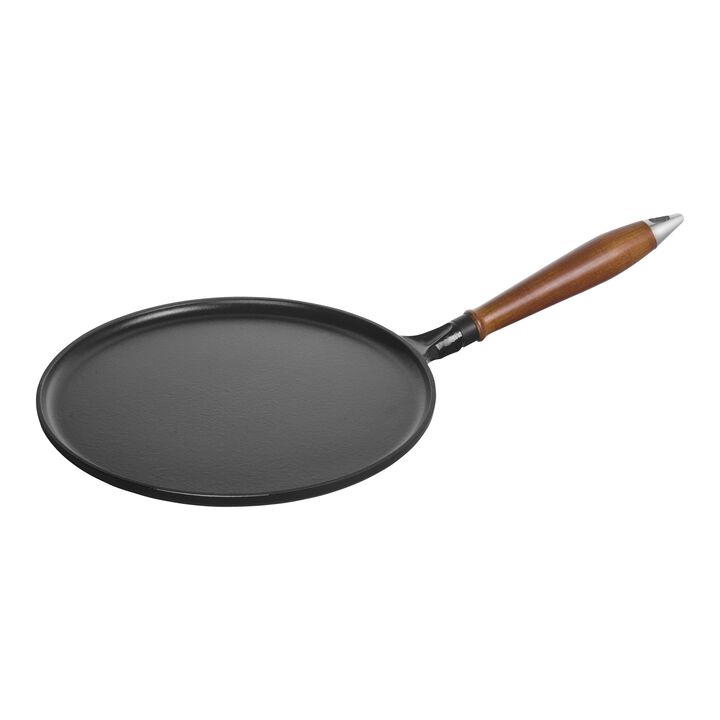
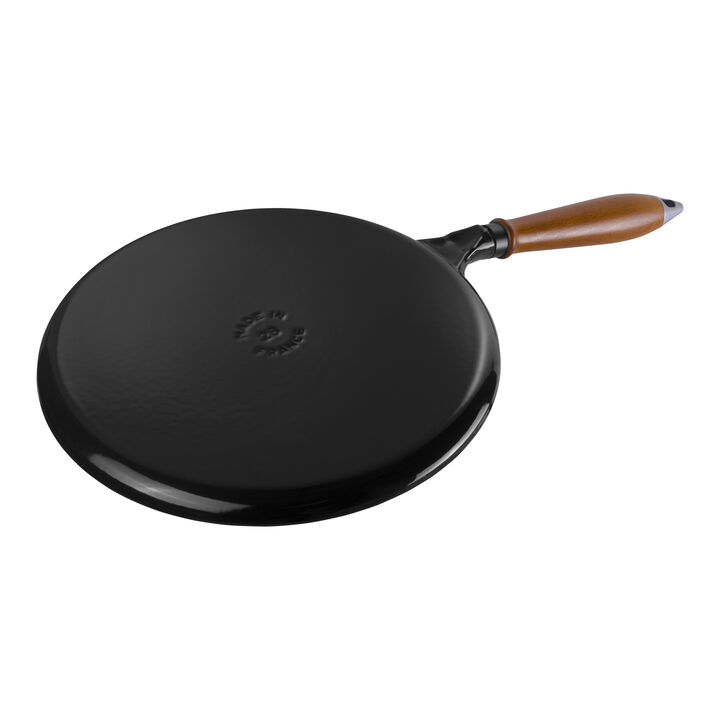
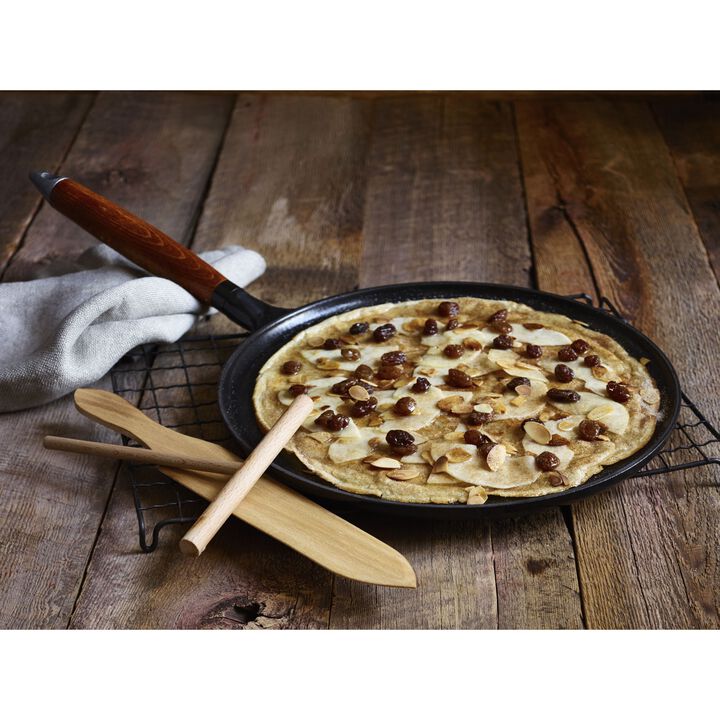

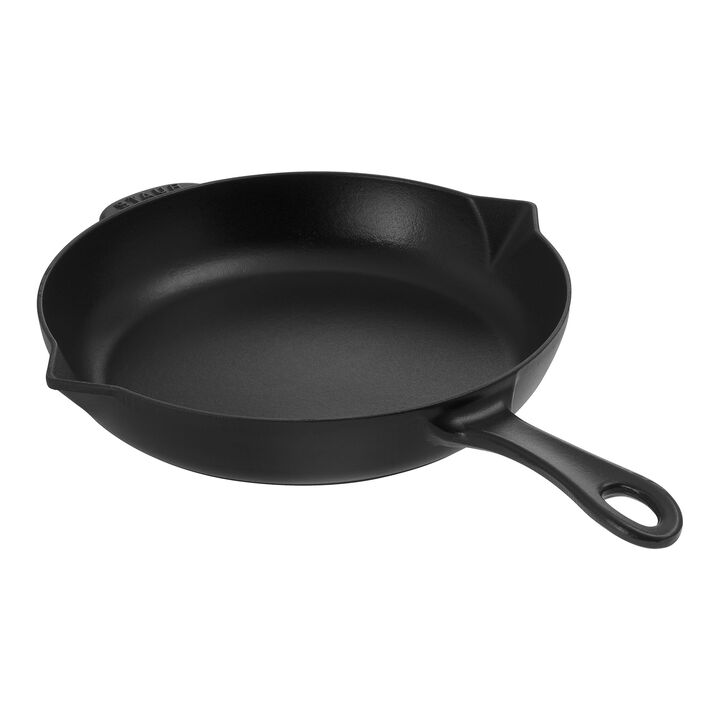
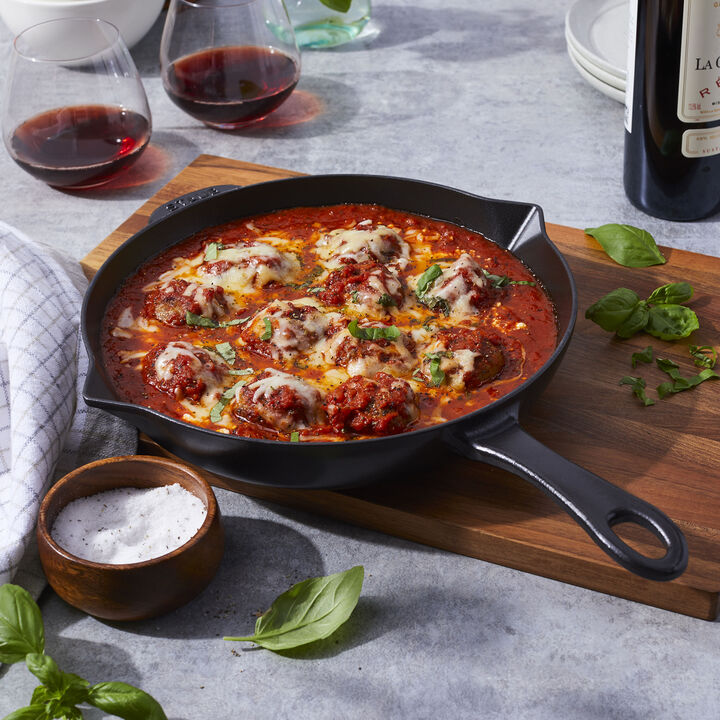
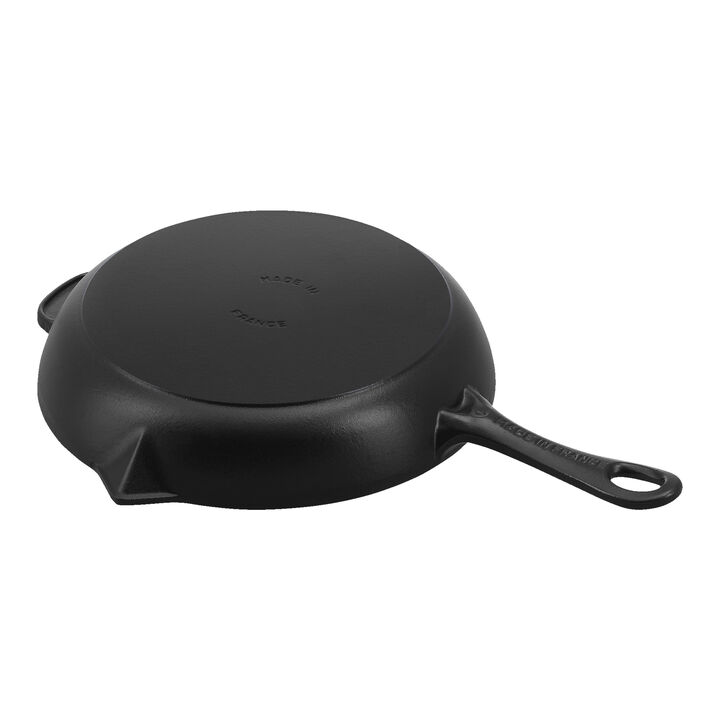
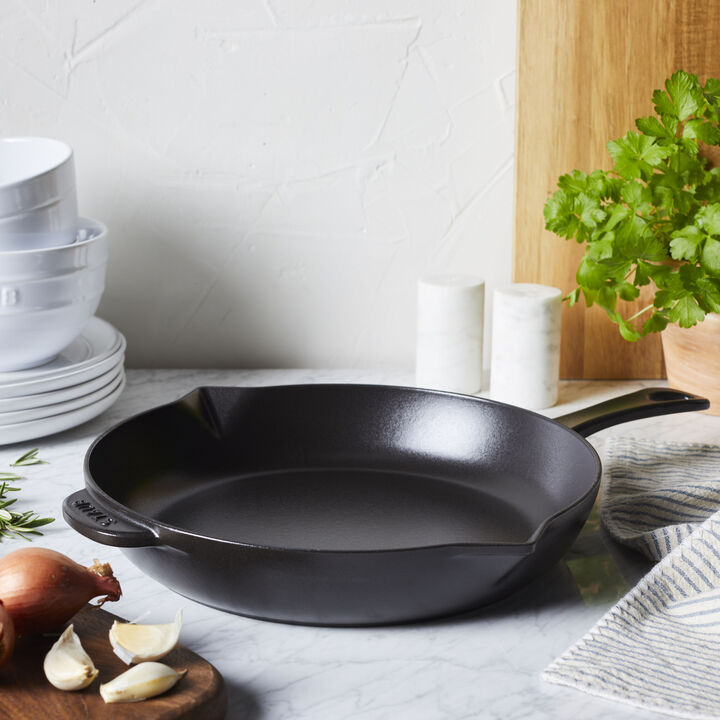

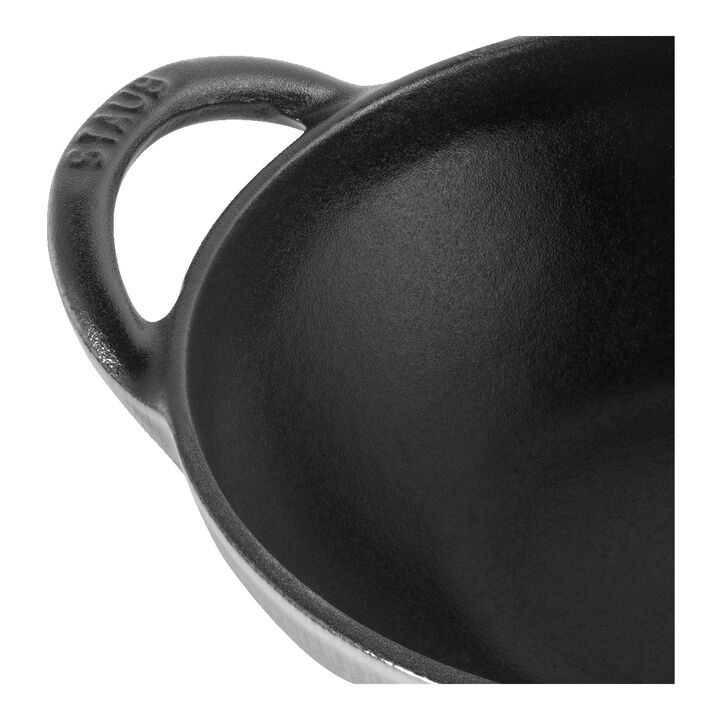
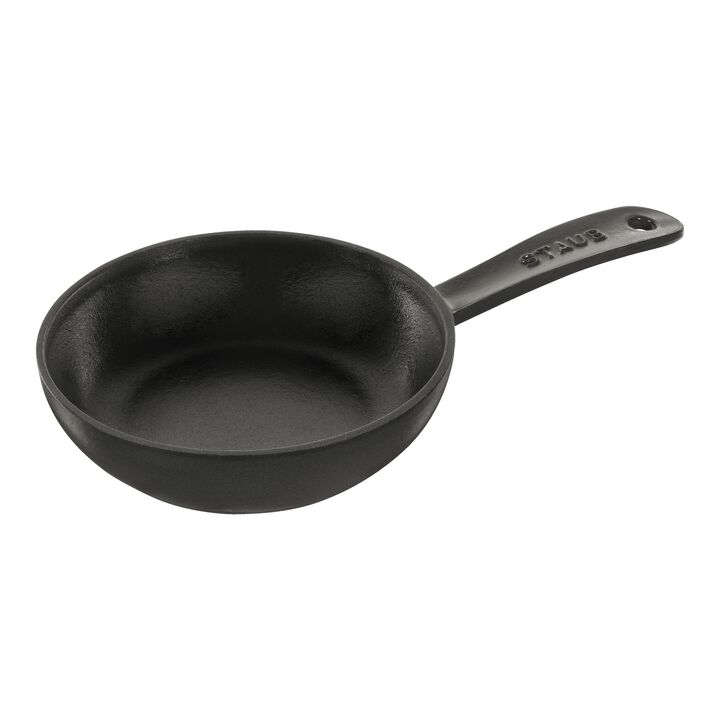
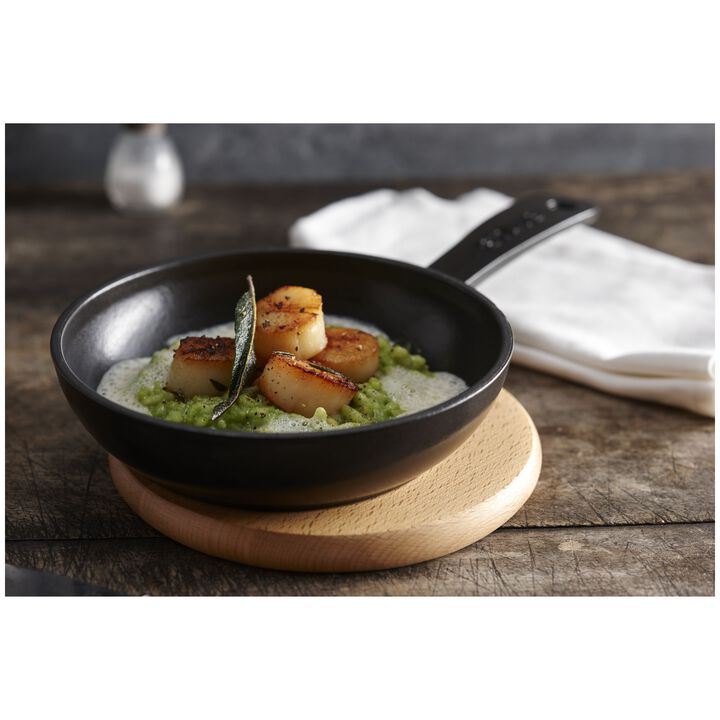
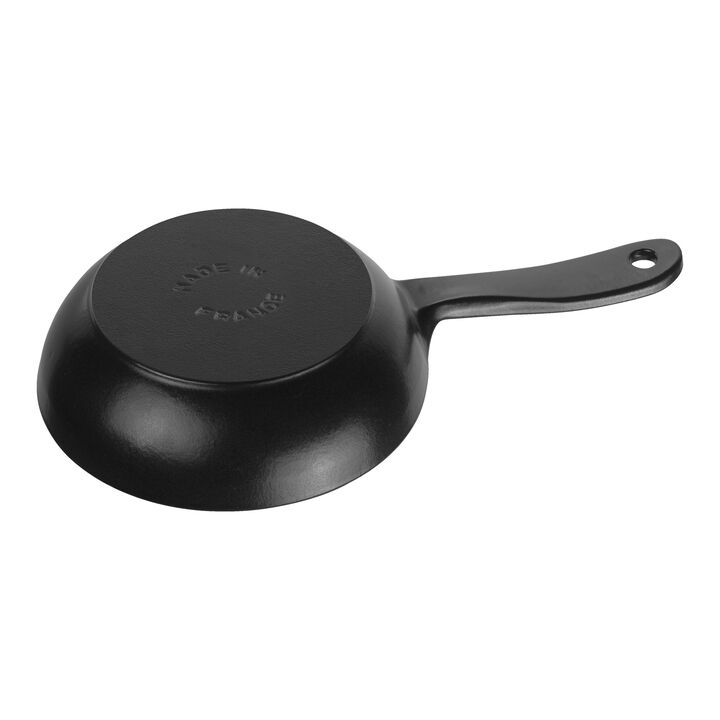
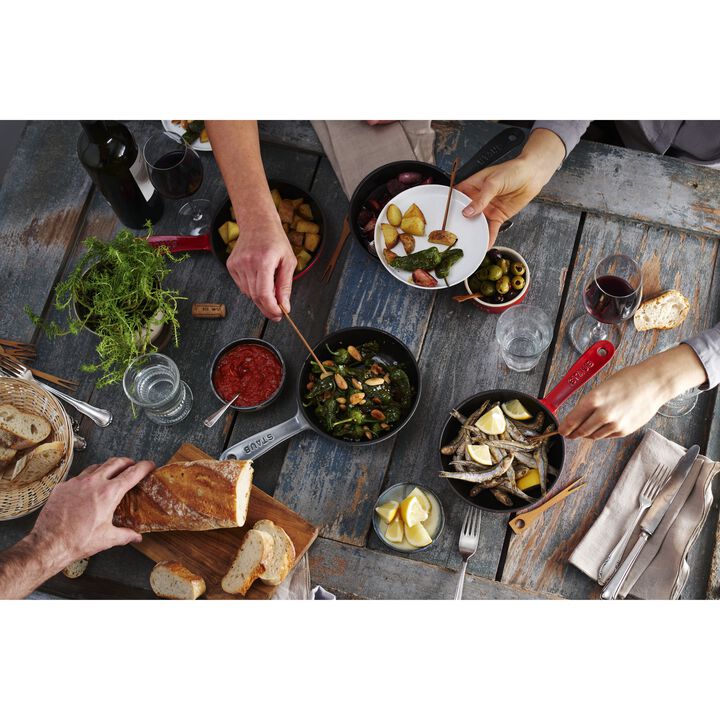
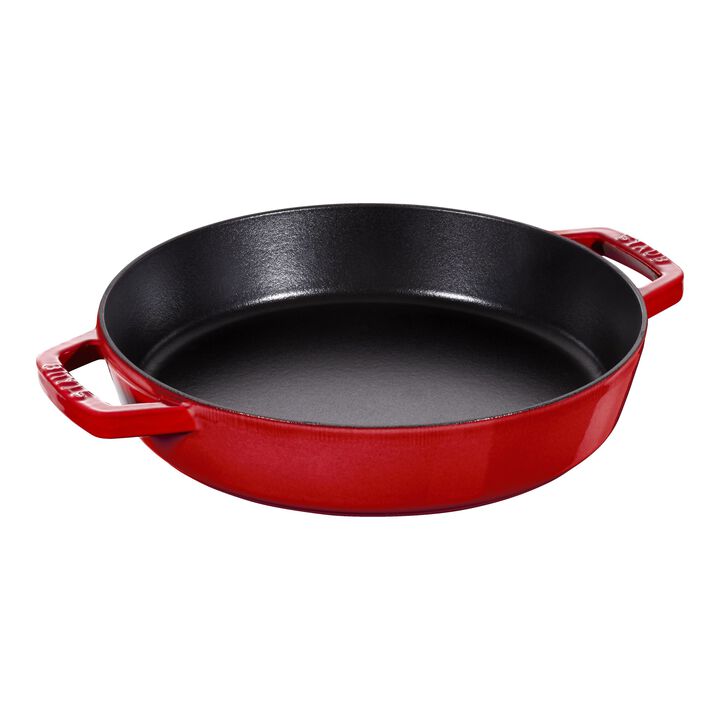

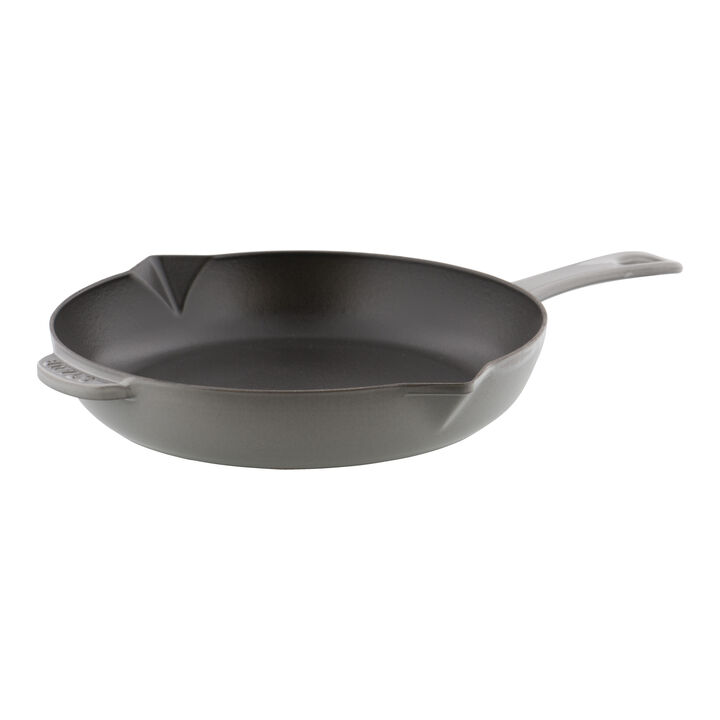
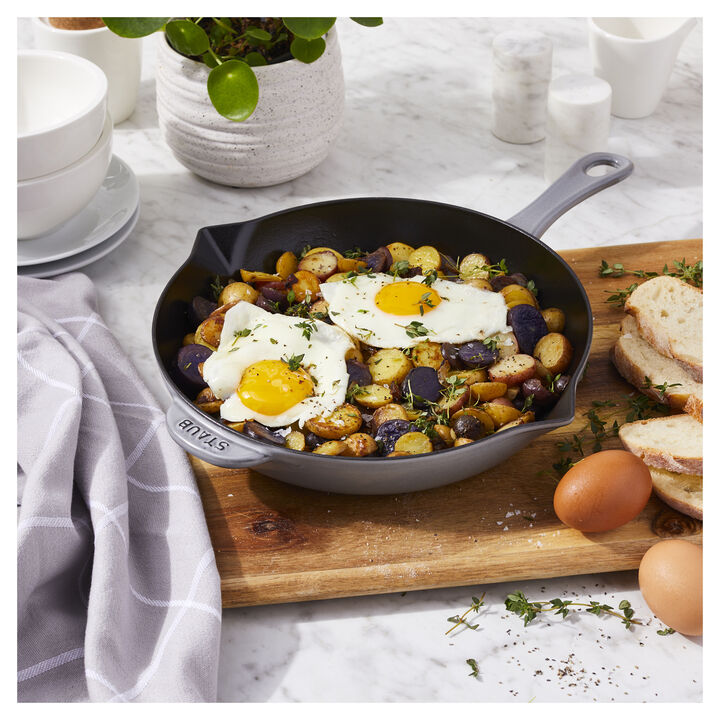
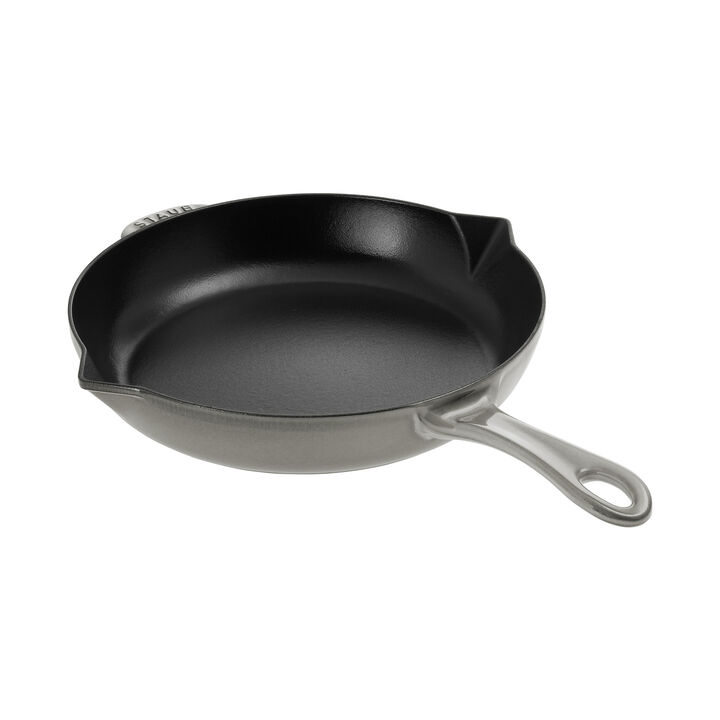
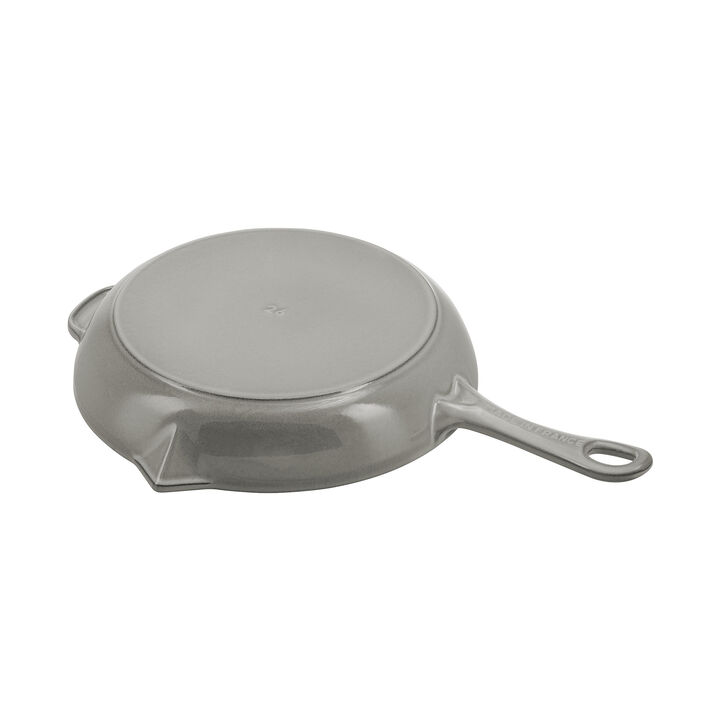


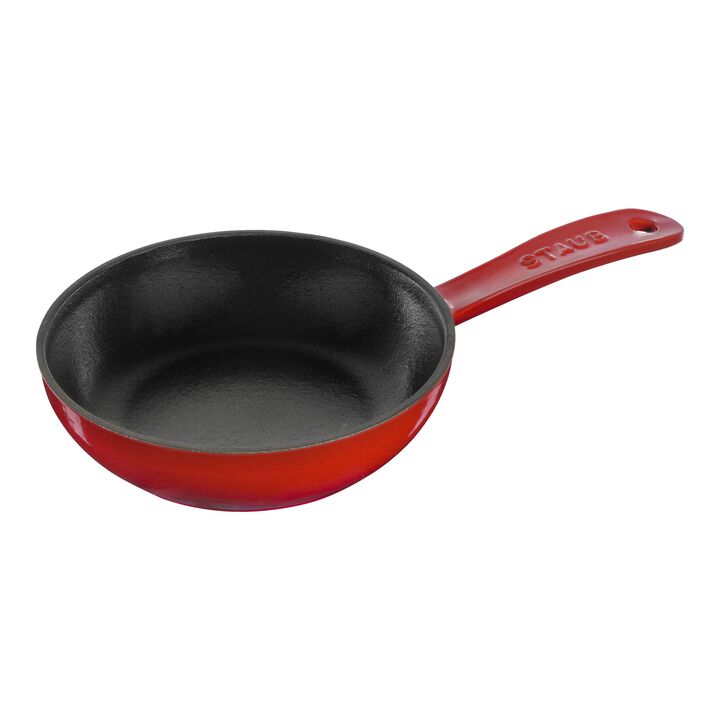
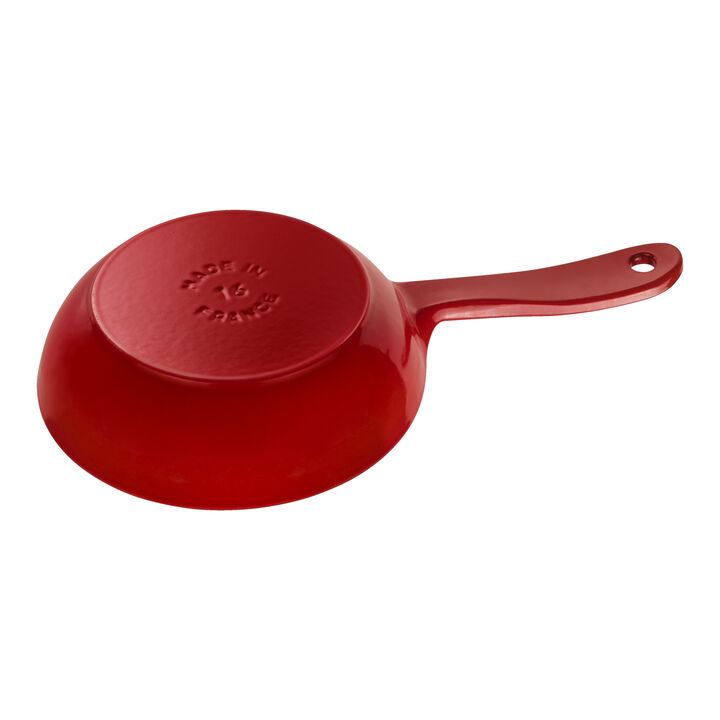
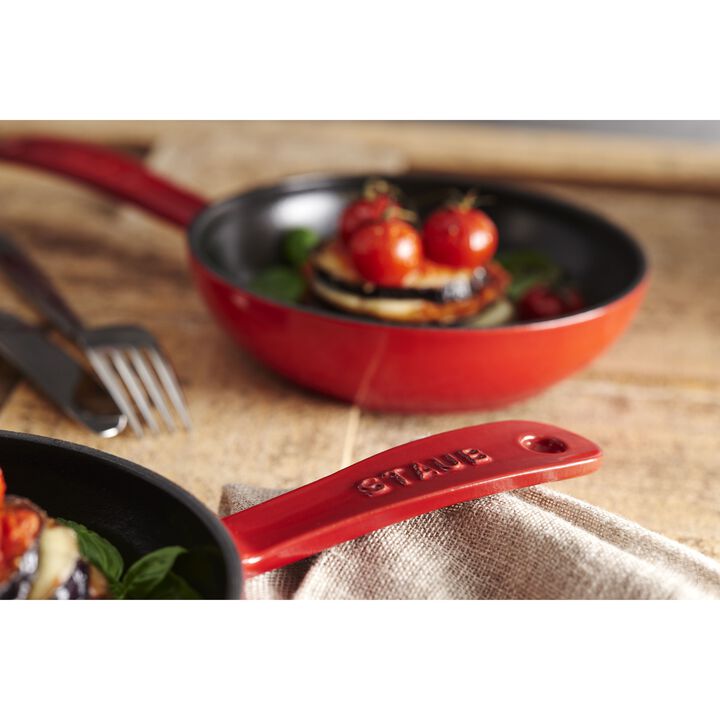
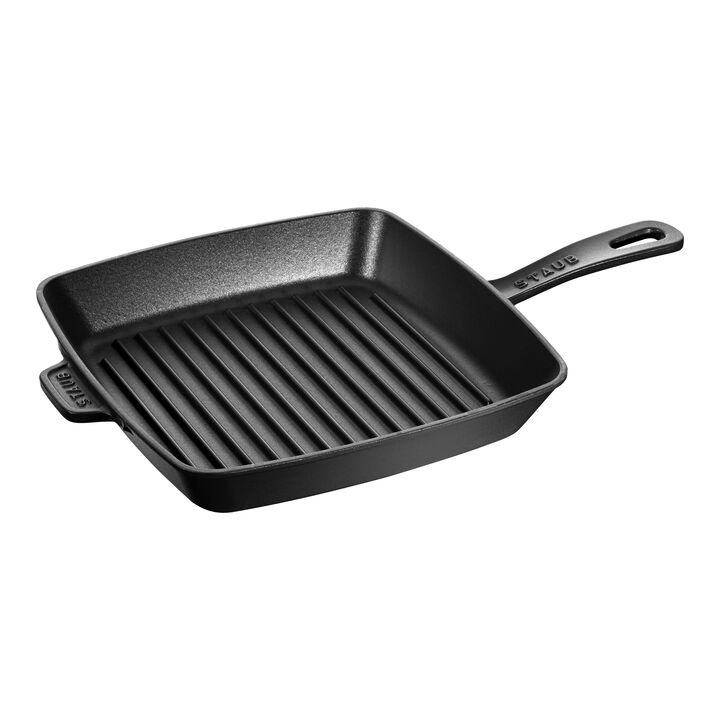

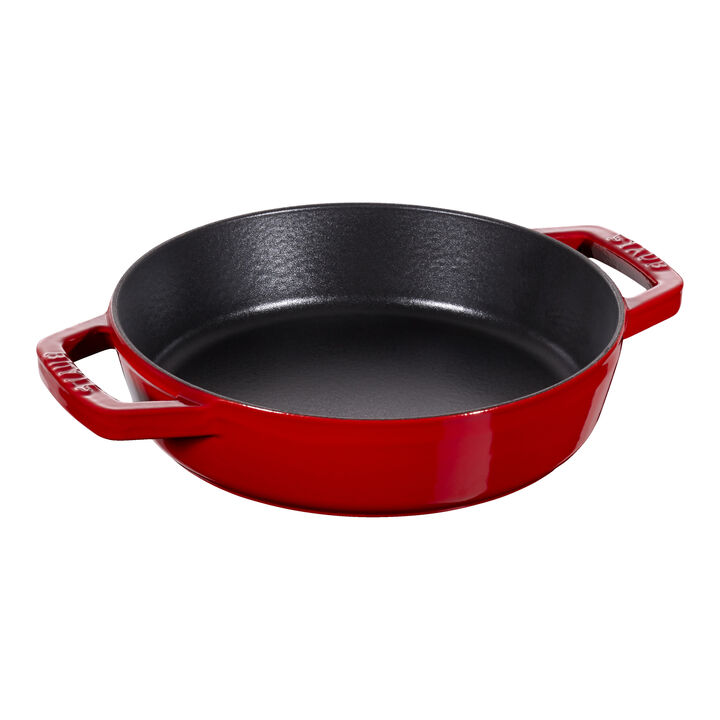
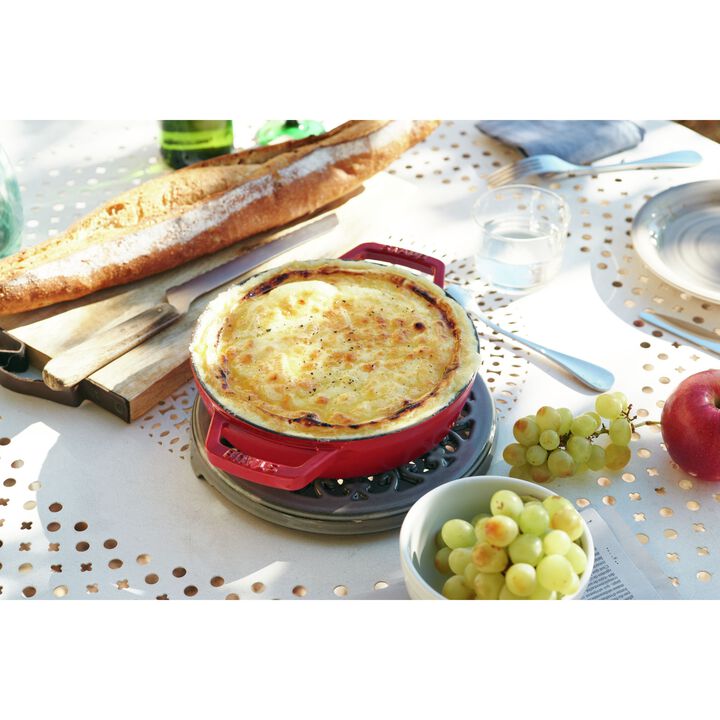
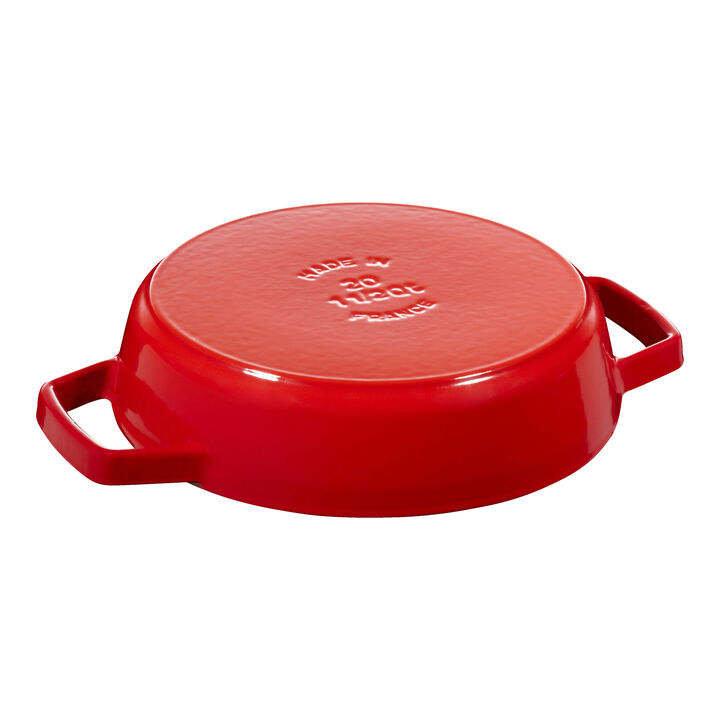
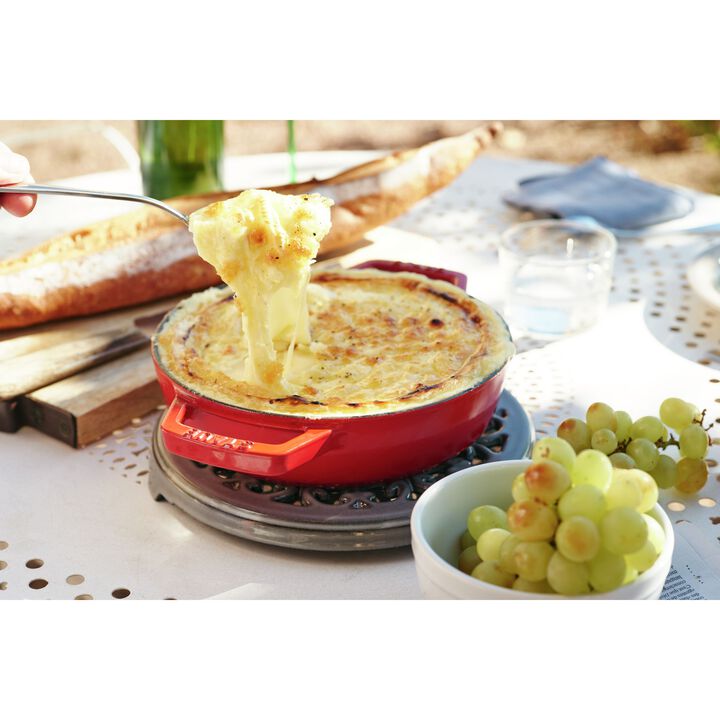

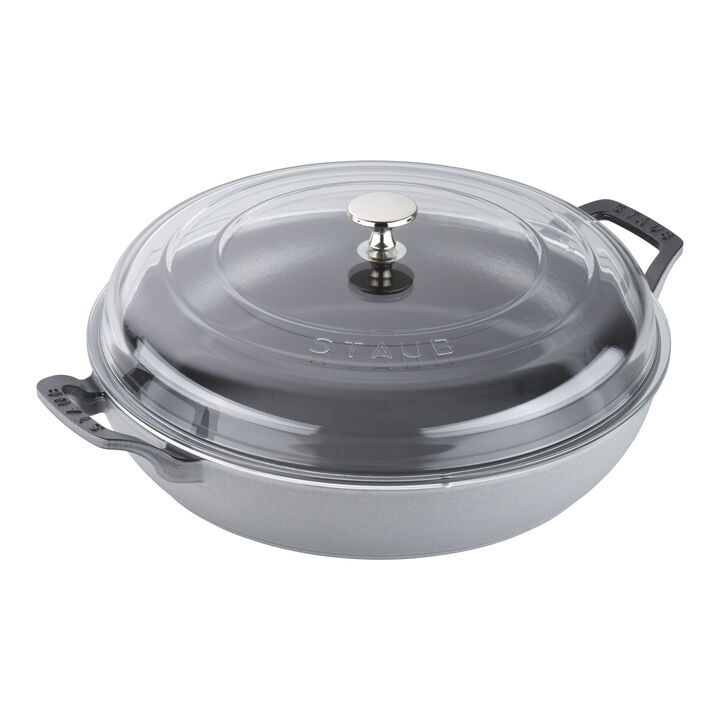
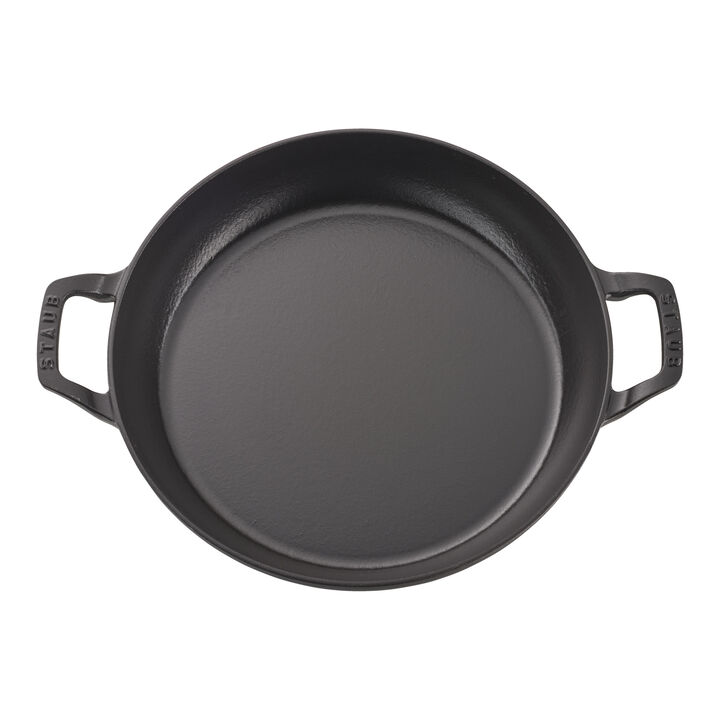
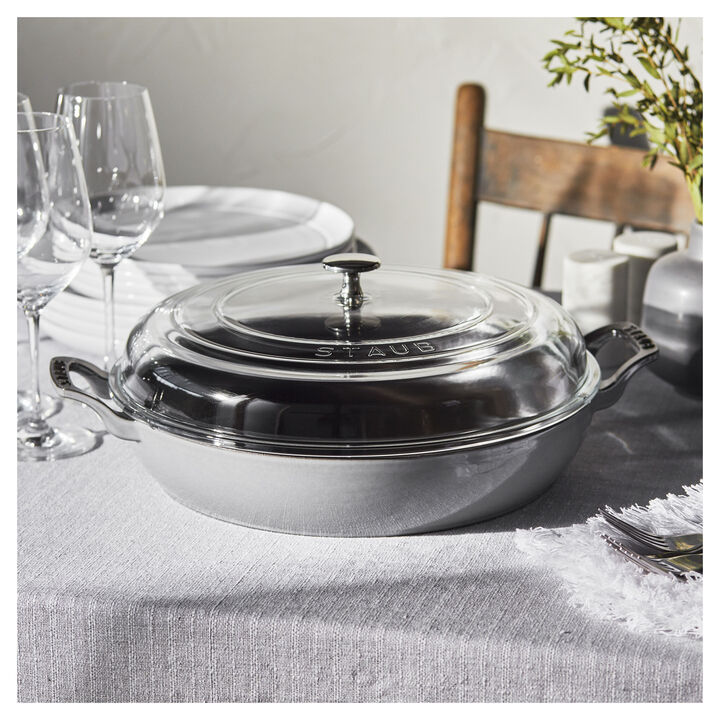
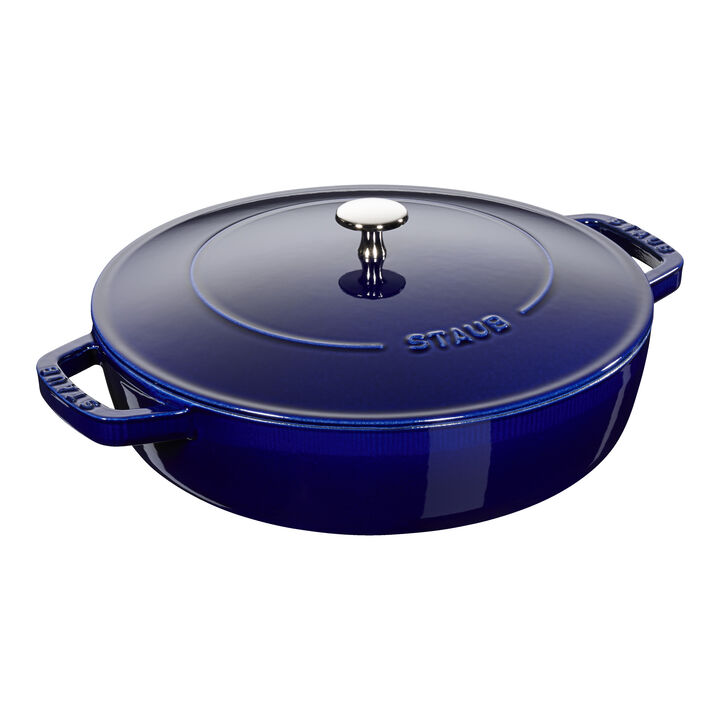
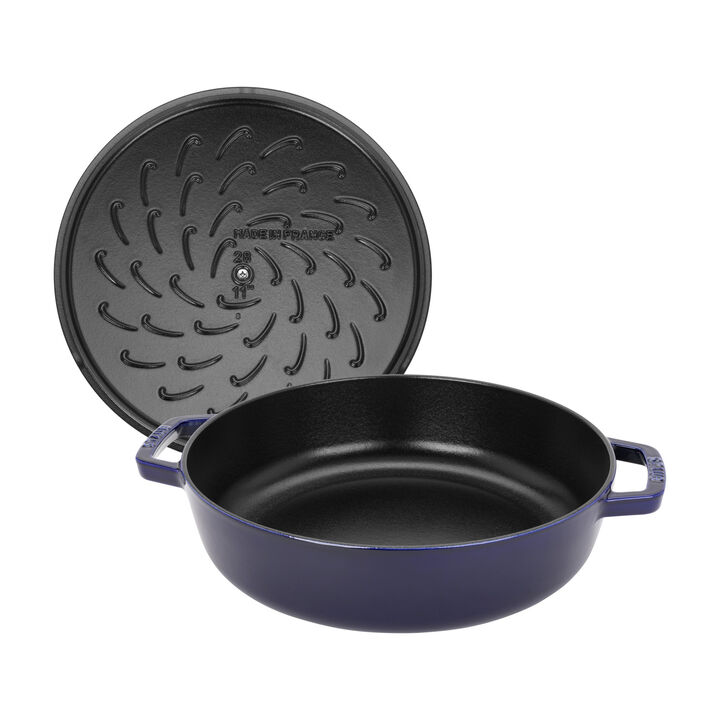
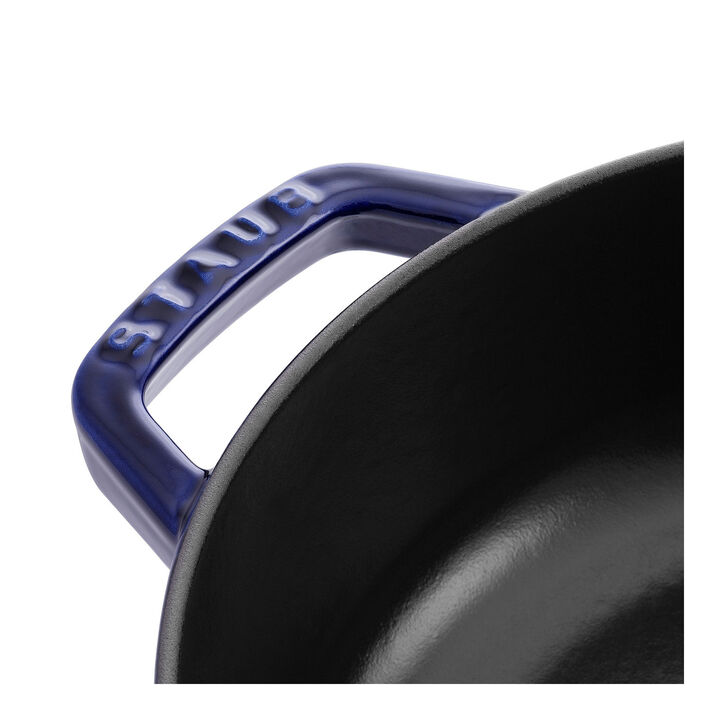
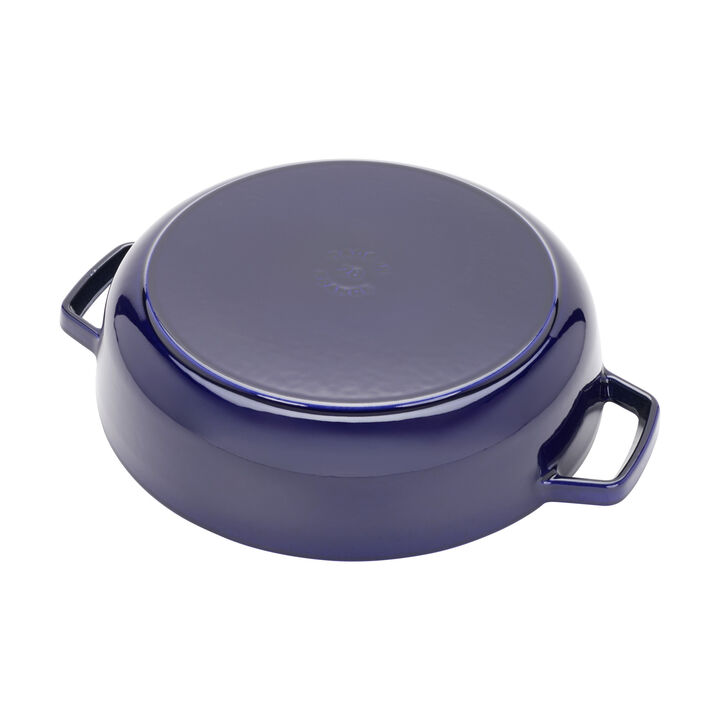
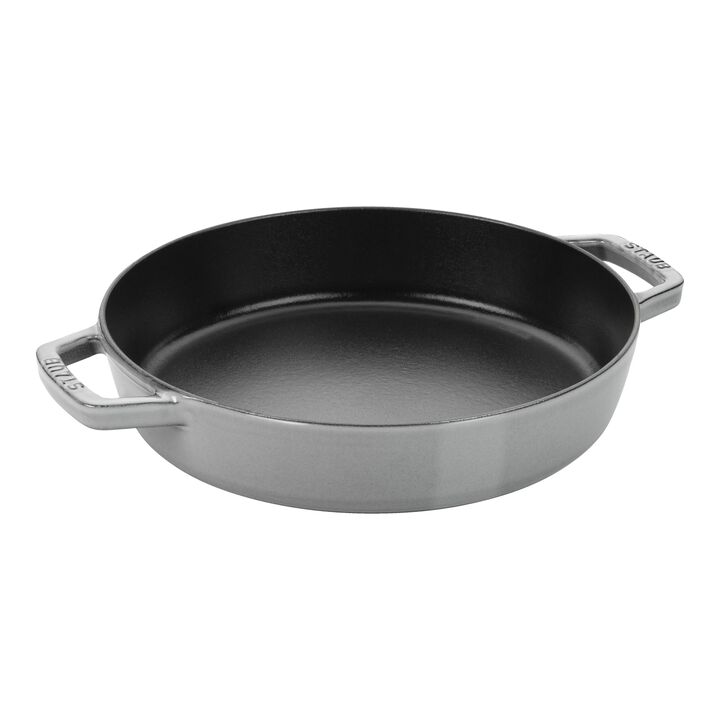
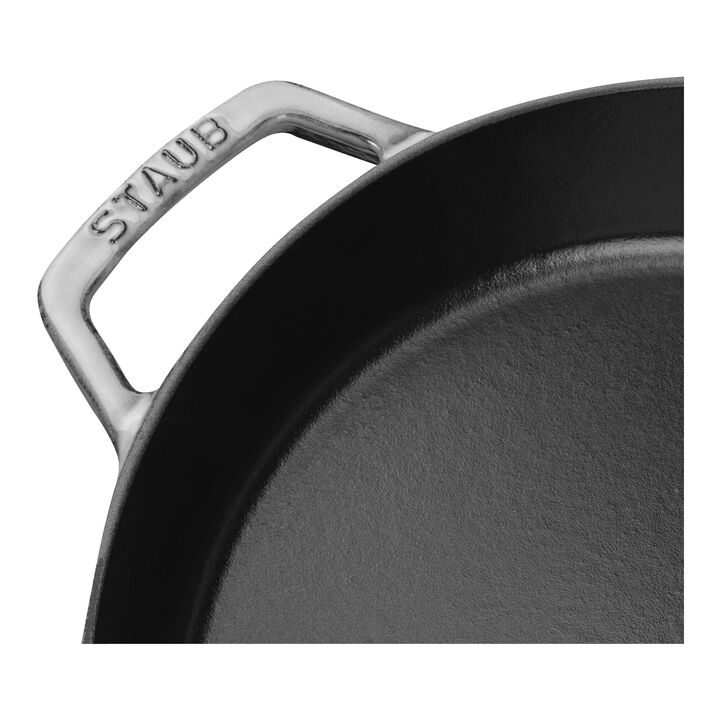
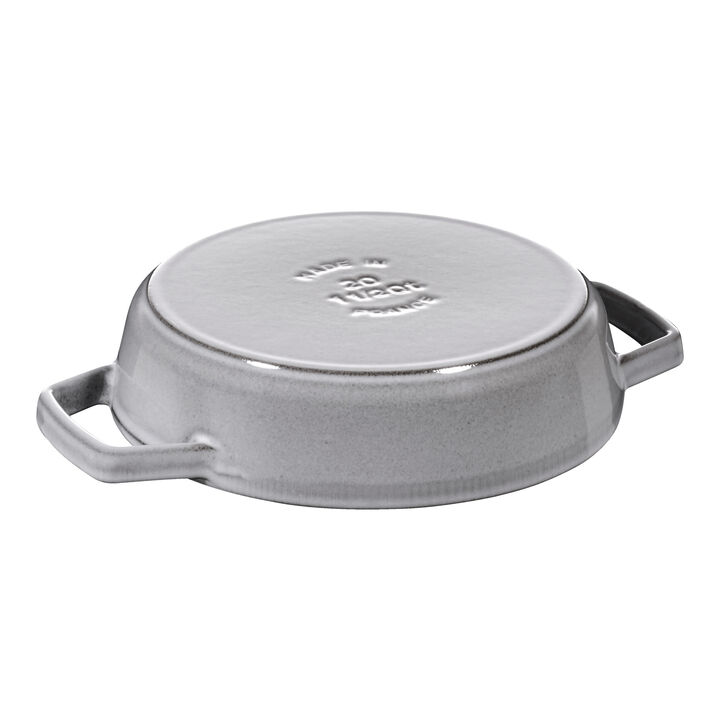
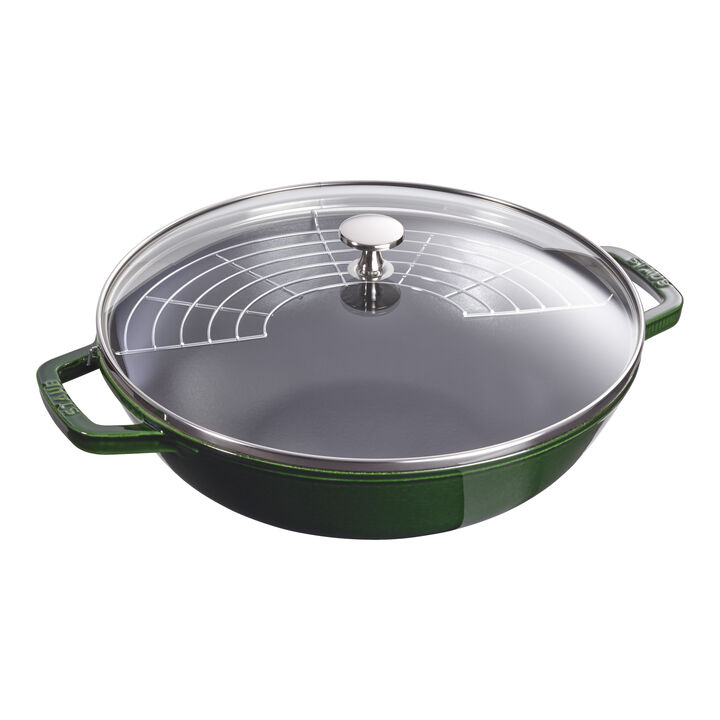
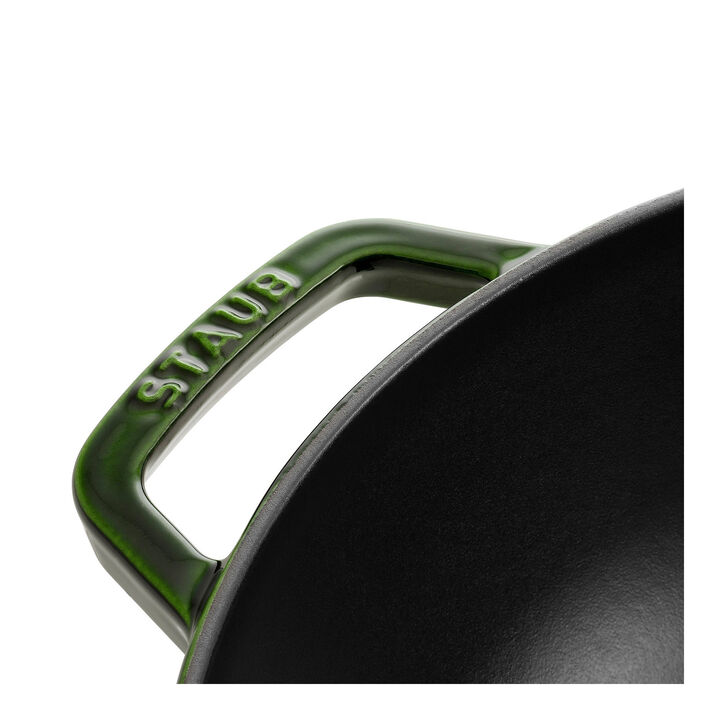
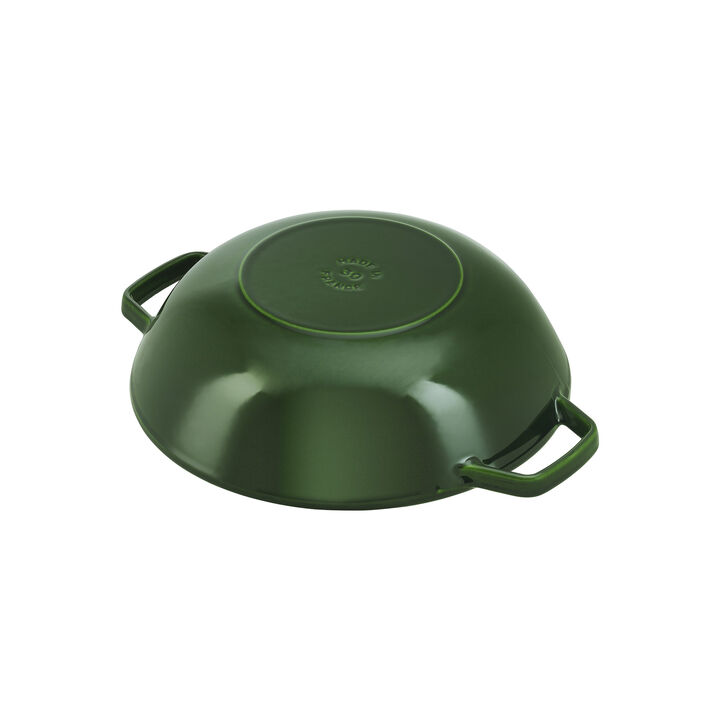


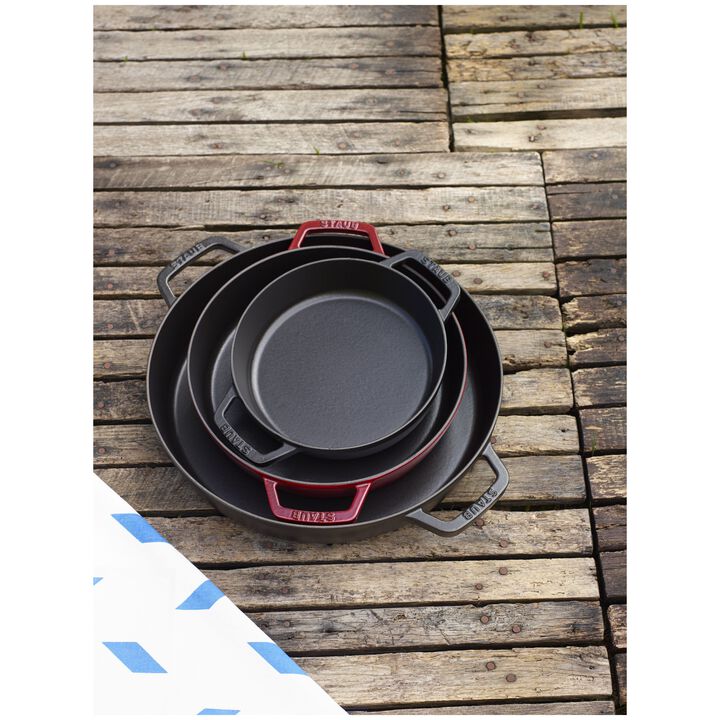
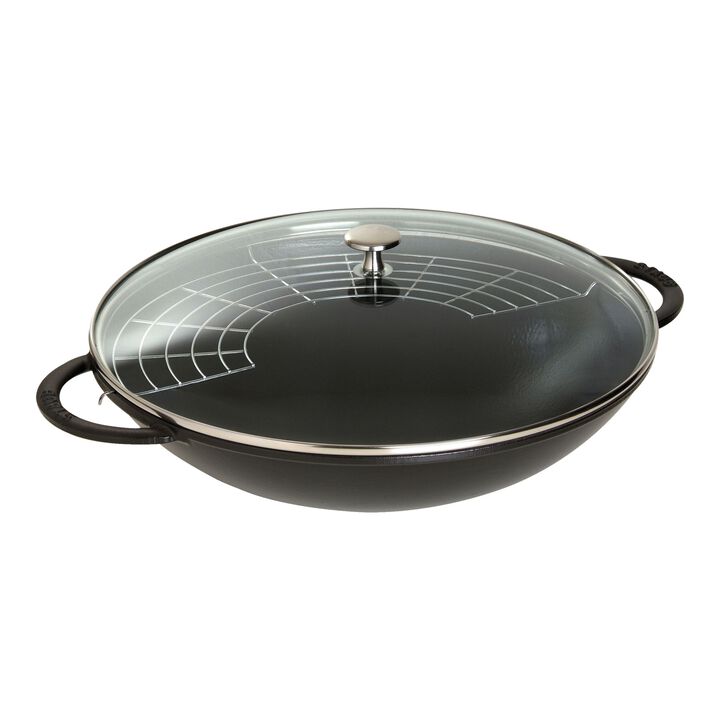
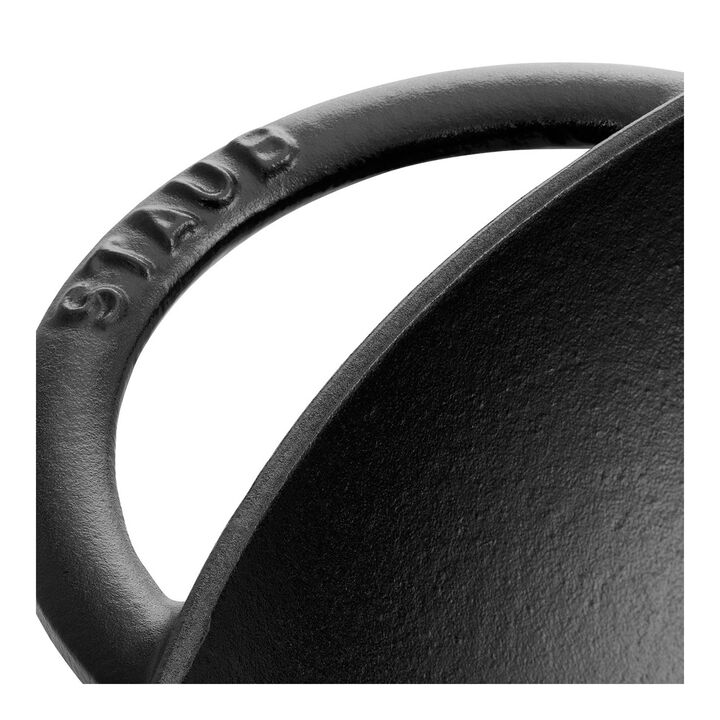

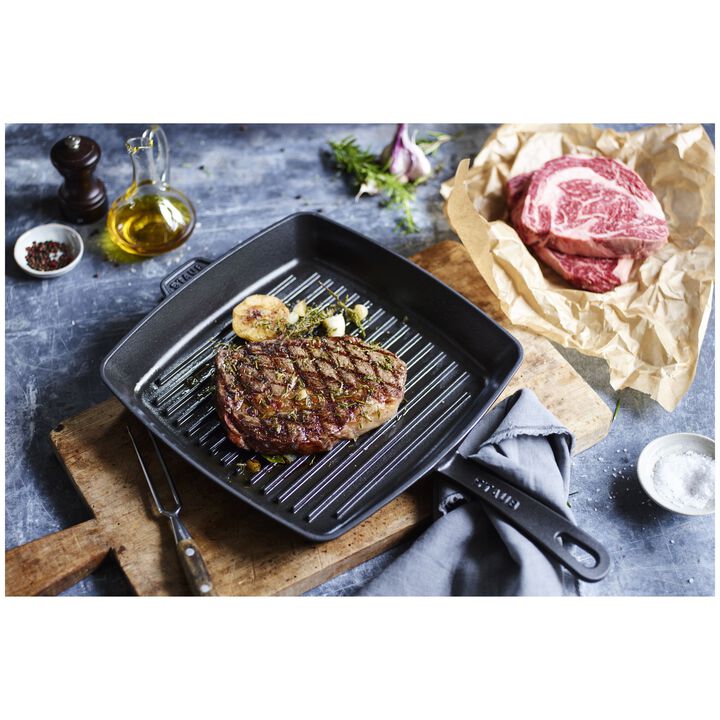

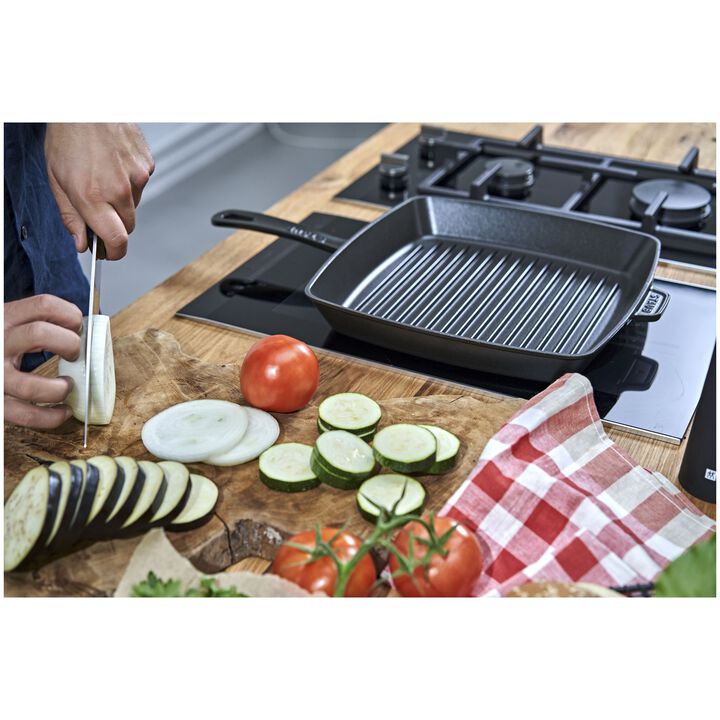
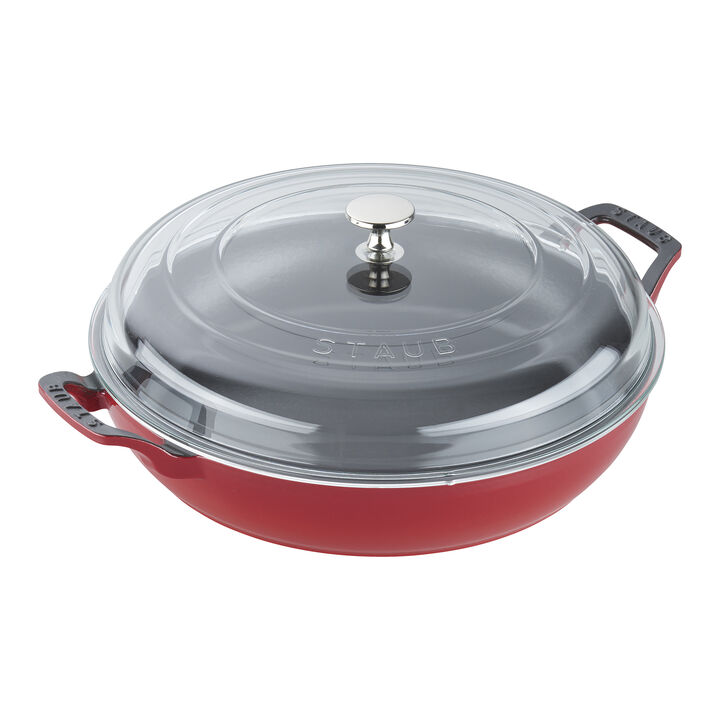
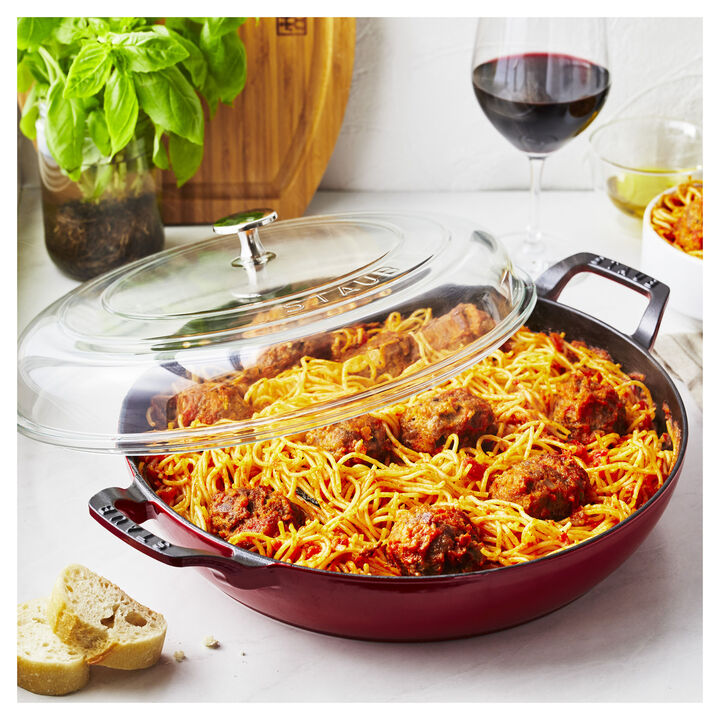
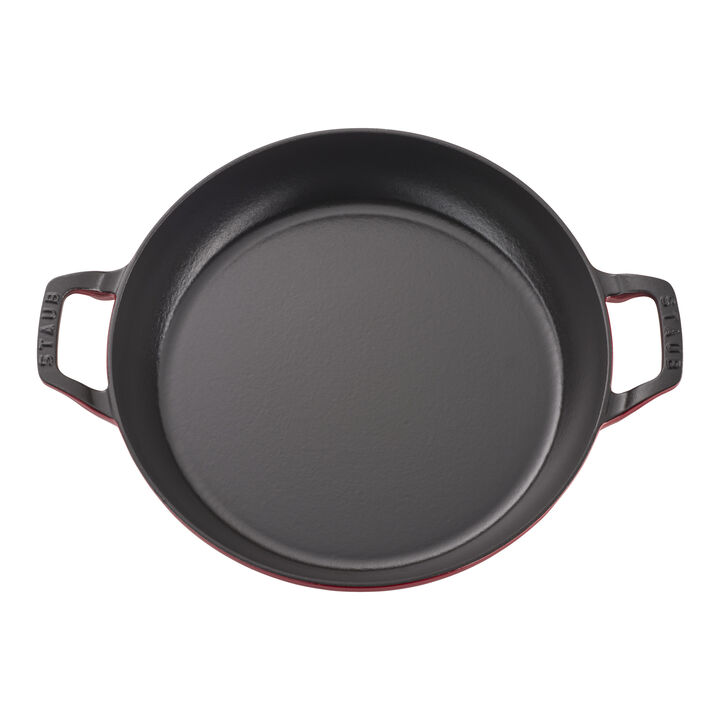
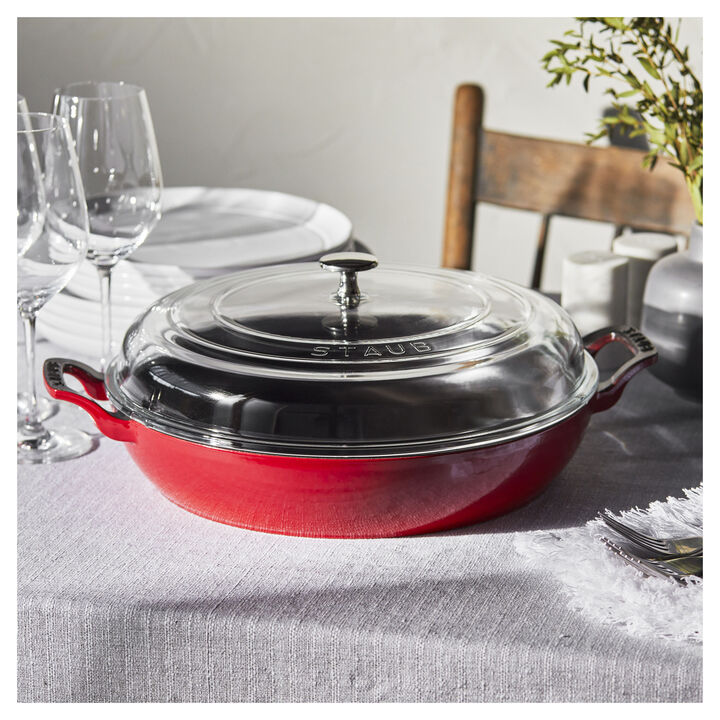
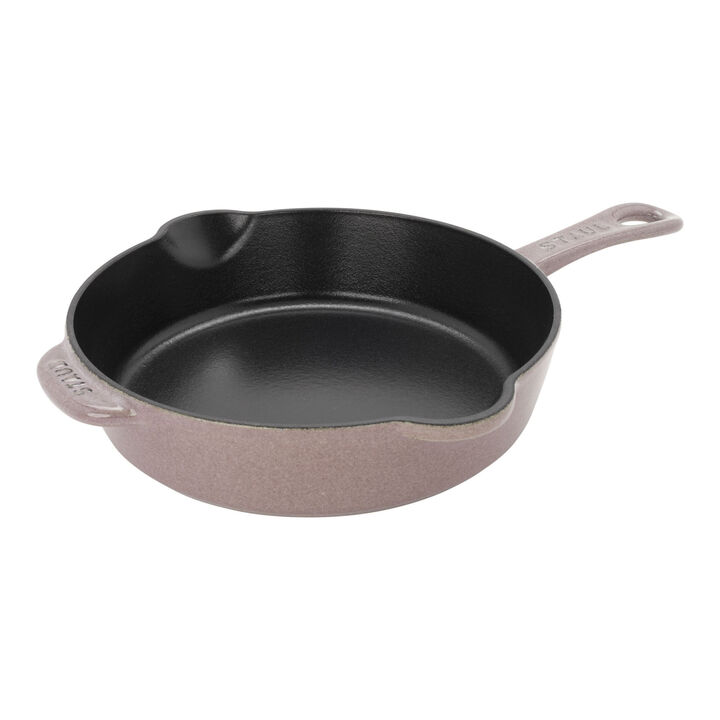
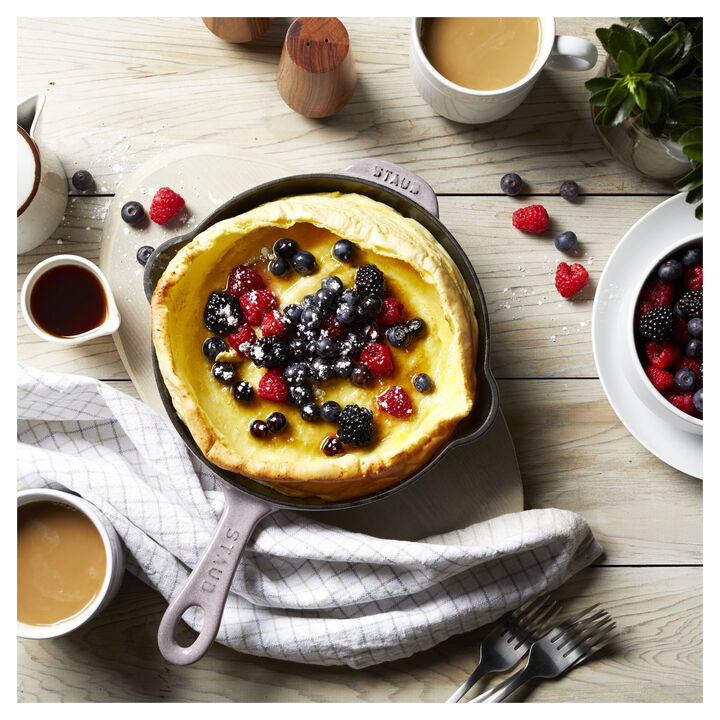
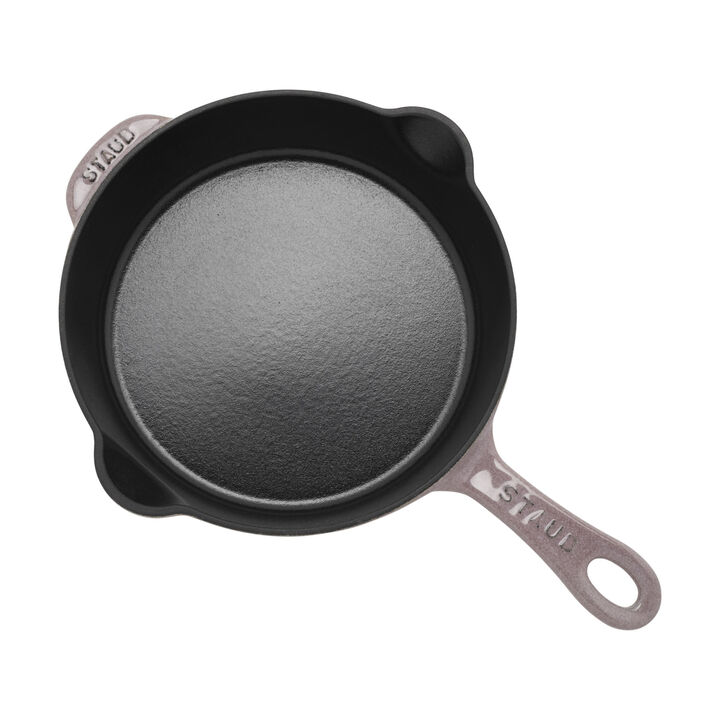
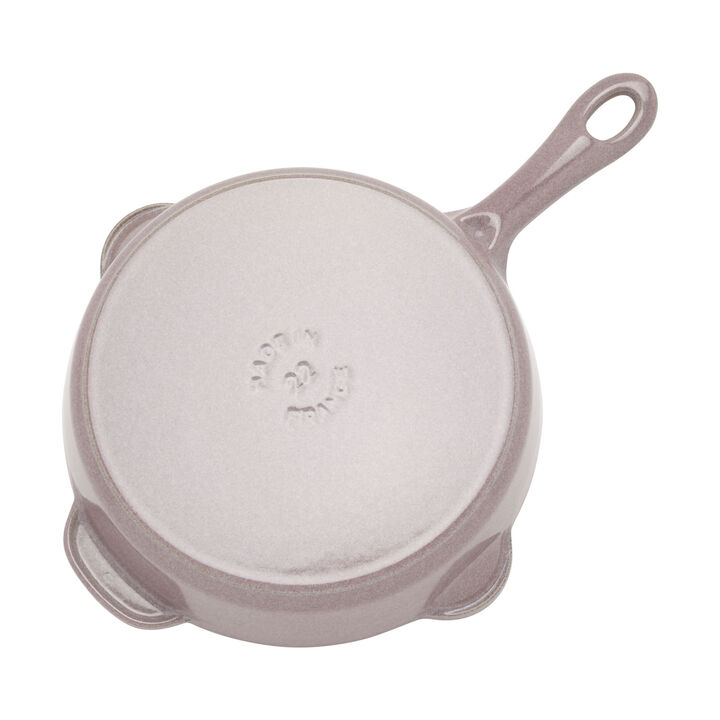
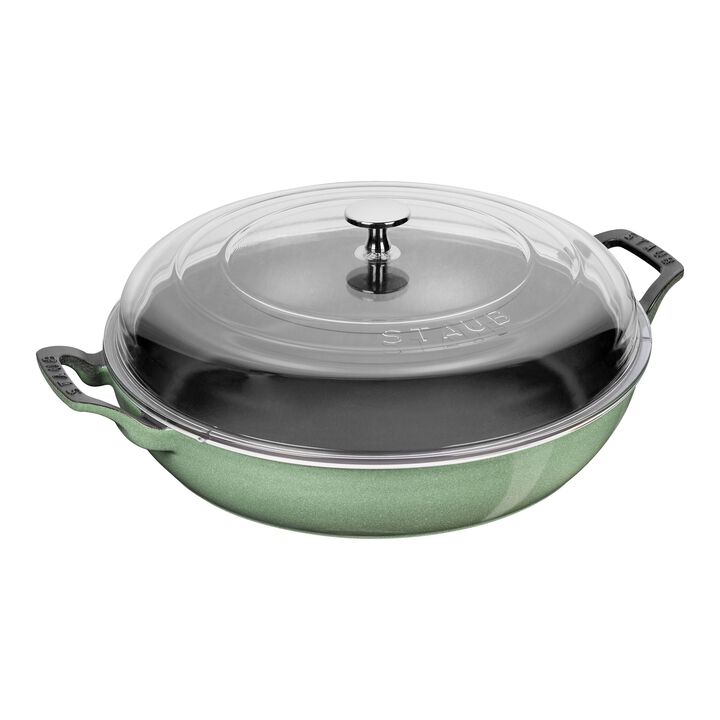
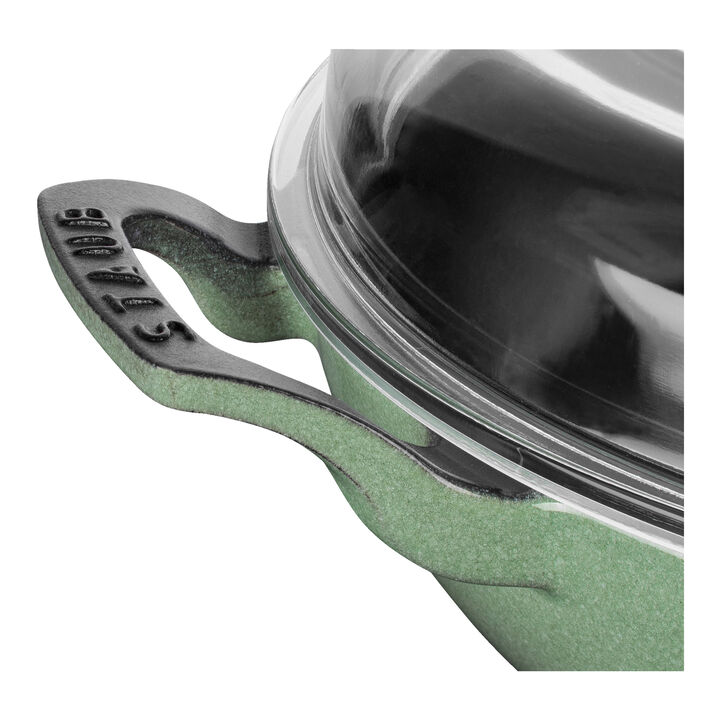
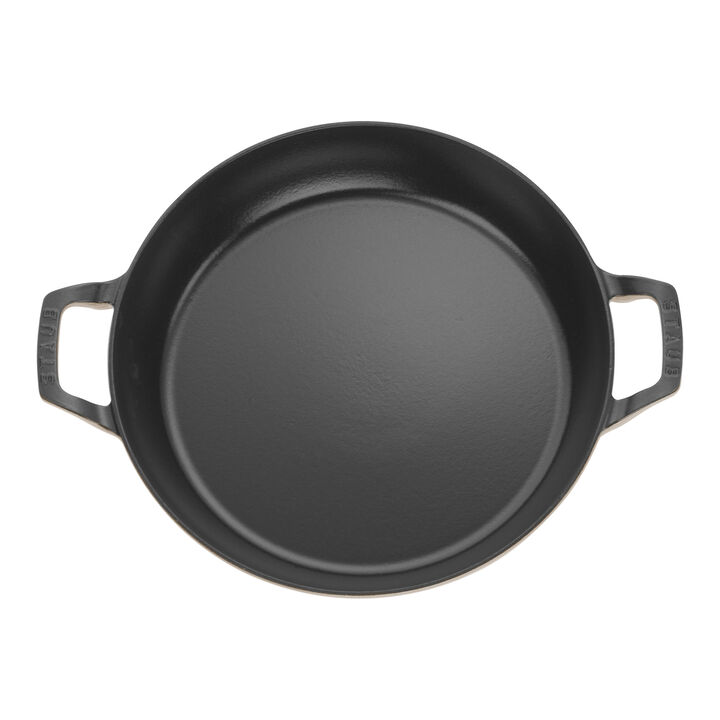
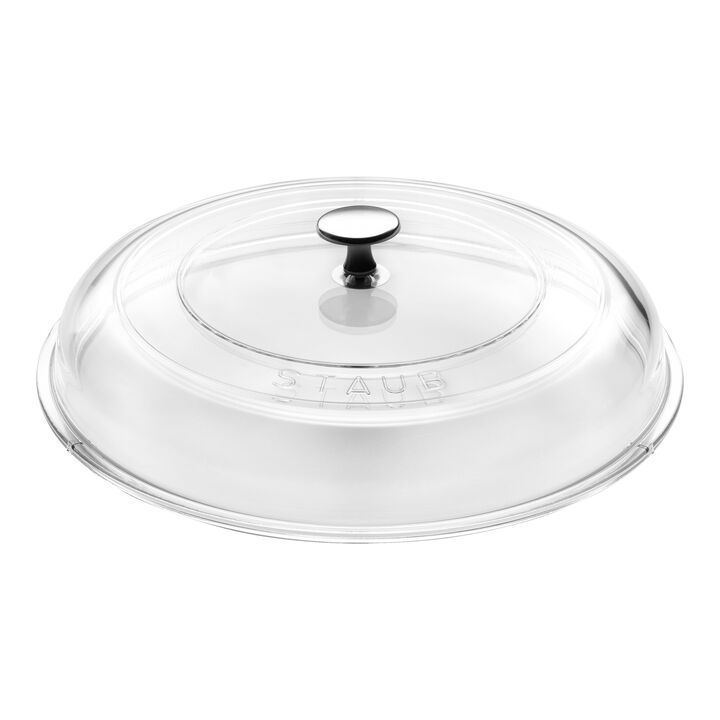

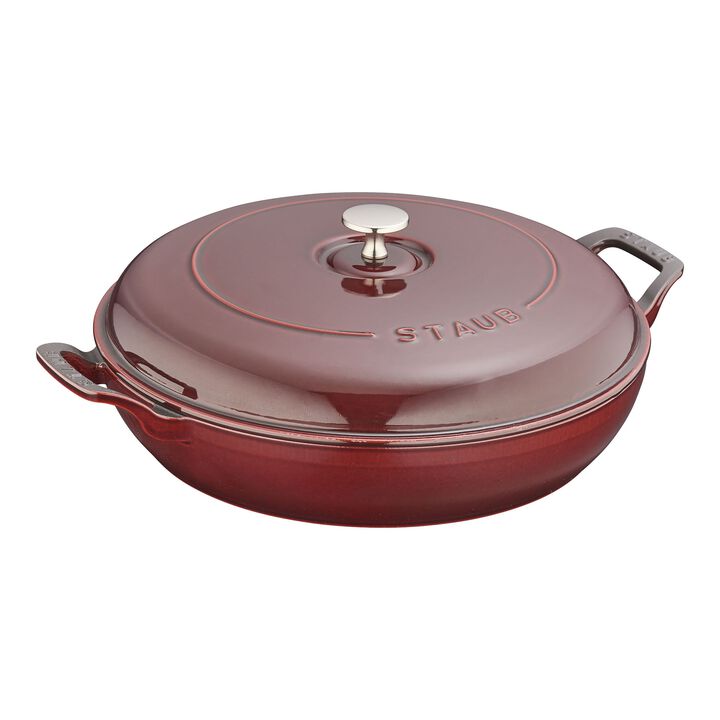
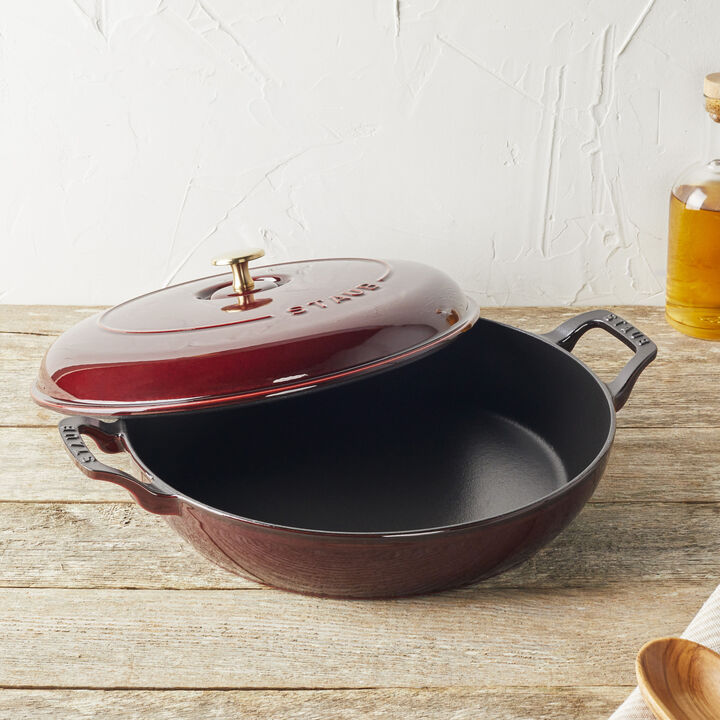
Cast Iron Pans
Cast Iron Pans – Durable, Timeless, and Ideal for Searing
Cast iron cookware has long been trusted by both professional chefs and home cooks across the globe. Thanks to its excellent heat retention, lasting durability, and versatility, a cast iron frying pan remains an essential piece in any kitchen. When it comes to quality we offer outstanding cast iron products built to perform.
How Cast Iron Cookware Is Made
Each cast iron pan goes through a detailed and time-honored process:
- Pouring: Liquid cast iron is cast into a sand mould
- Cooling: The iron is allowed to cool and solidify
- Finishing: The surface is either enamelled or left raw, depending on the design
- Inspection: Every piece is individually and carefully checked for quality and consistency
This artisanal process ensures that each pan is unique, with excellent thermal performance and a long lifespan.
First Use & Care – What You Should Know
Before using your cast iron pan, consider the following:
- Uncoated cast iron must be seasoned before use
- Enameled cast iron (like STAUB) is ready to cook with right away
Care Tips:
- Clean with warm water only; avoid soap on uncoated pans
- Dry thoroughly with a soft cloth or air dry
- Avoid using the dishwasher
Benefits and Drawbacks of Cast Iron Pans
Benefits:
- Outstanding heat retention and even heat distribution
- Long-lasting and highly durable
- Compatible with all cooktops, including induction
- Excellent for high-heat searing and oven-based recipes
Drawbacks:
- Heavier than standard pans
- Requires specific care and maintenance
- Uncoated versions need regular seasoning
What Makes a High-Quality Cast Iron Pan?
When choosing a cast iron pan, look for the following:
- Thick walls and base for better heat control
- Smooth and consistent surface free of imperfections
- Secure, heat-resistant handles
- For enamelled pans: high-quality, chip-resistant enamel coating
STAUB products are manufactured in France to the highest standards of craftsmanship.
Enamelled vs. Uncoated Cast Iron – A Detailed Comparison
| Care Requirements | Easy to clean with mild soap and water | Requires gentle cleaning and periodic oiling |
| Ready to Use? | Yes, no seasoning required | No, must be seasoned prior to first use |
| Browning & Searing | Excellent caramelization and browning | Classic searing when properly seasoned |
| Non-Stick Effect | Develops natural non-stick surface over time | Very effective non-stick after seasoning |
| Acid Resistance | Safe for acidic ingredients like tomatoes and wine | Prone to damage from acids unless very well-seasoned |
Best (and Worst) Foods to Cook in Cast Iron
Ideal for:
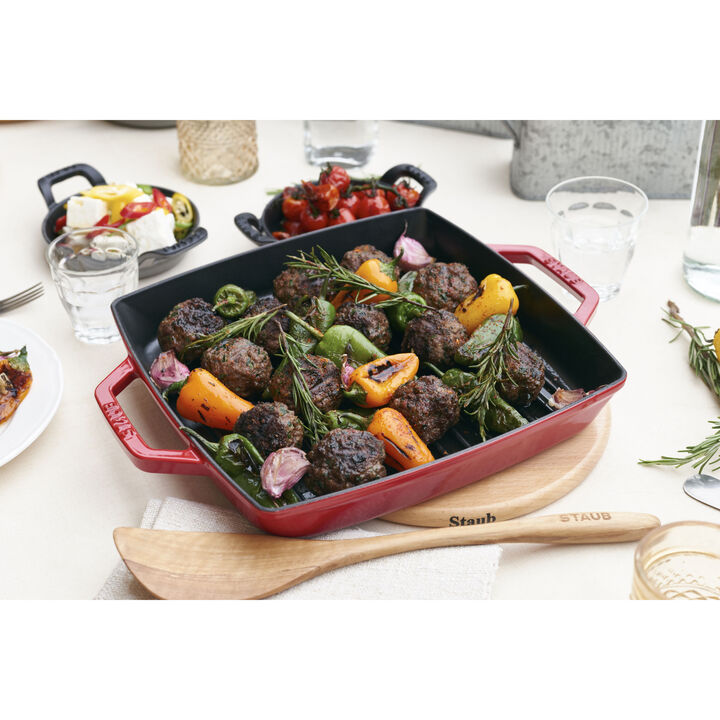
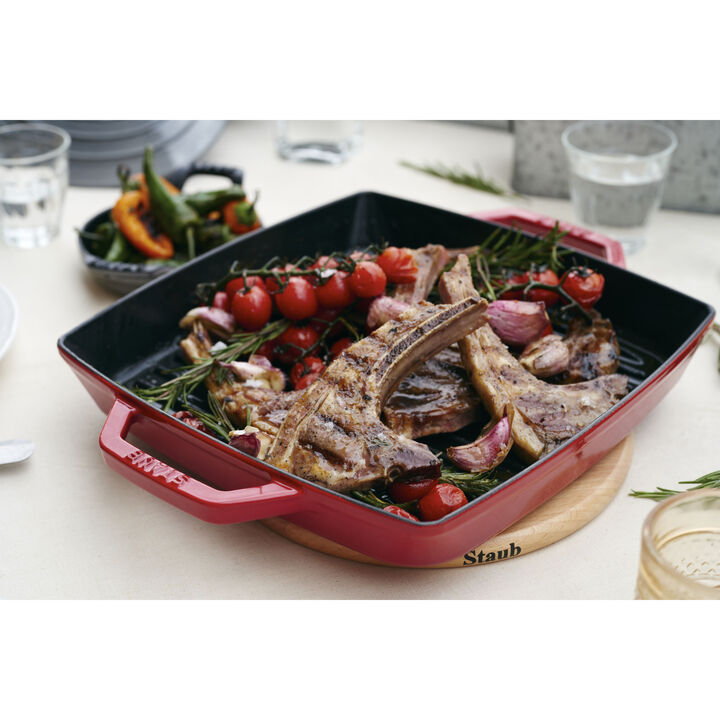
- Meat dishes such as steaks, sausages, or pork chops
- Roasted potatoes, hash browns, and fried vegetables
- Braises, stews, and slow-cooked meals
- Oven-to-table casseroles and gratins
Not recommended in uncoated cast iron frying pans:
- Delicate fish, which may stick or fall apart
- Eggs cooked without fat, particularly in unseasoned pans
Tip: Use enamelled cast iron pans (such as STAUB) when cooking with acidic ingredients.
Final Thoughts – Why a Cast Iron Pan Is Worth the Investment
A cast iron pan is more than just a piece of cookware, it is a long-term investment in performance, flavour, and durability. With STAUB, you’ll be cooking with confidence and style for years to come.


