



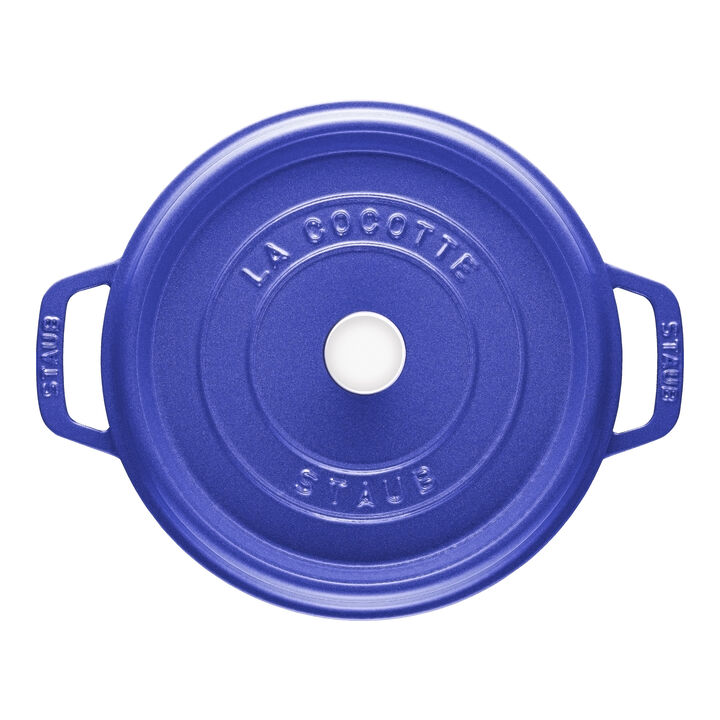
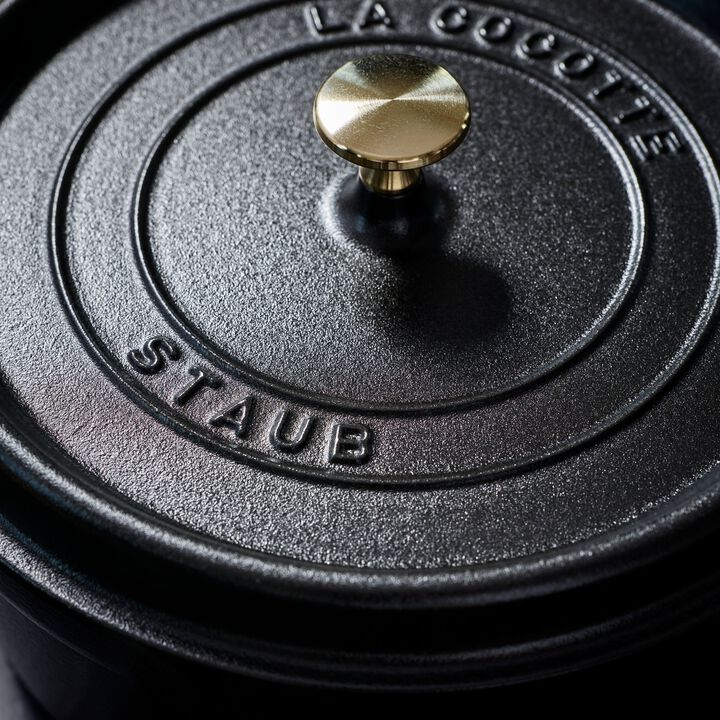
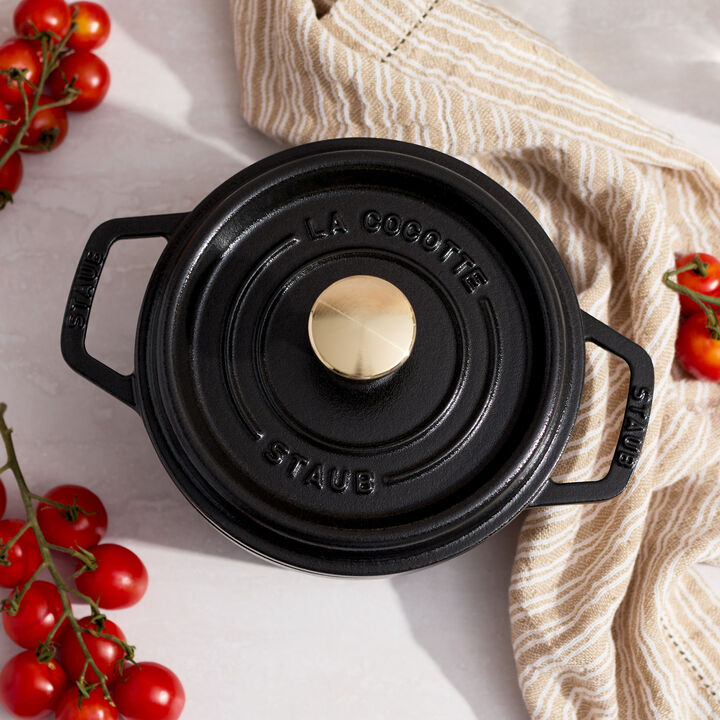
The droplet structure in the lid evenly distributes moisture, making your food even more tender, juicier, and more flavorful.

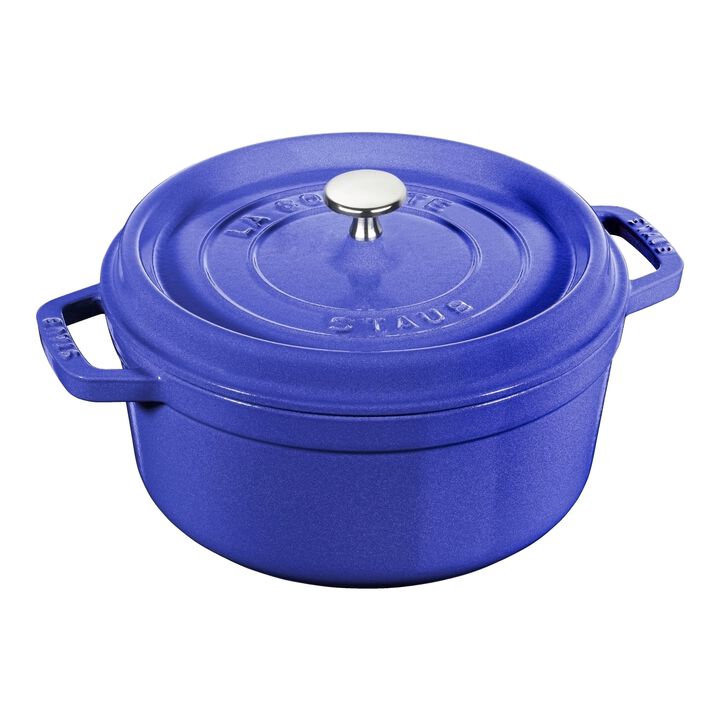
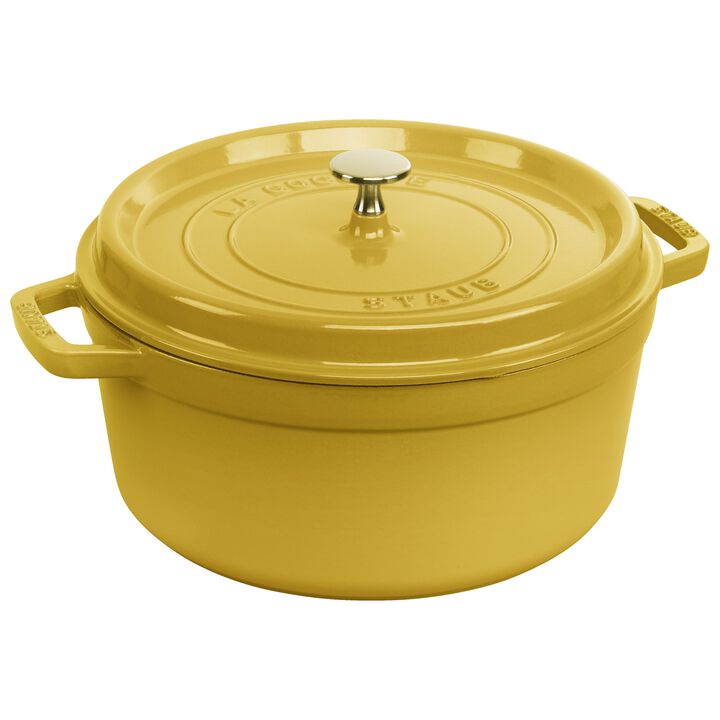
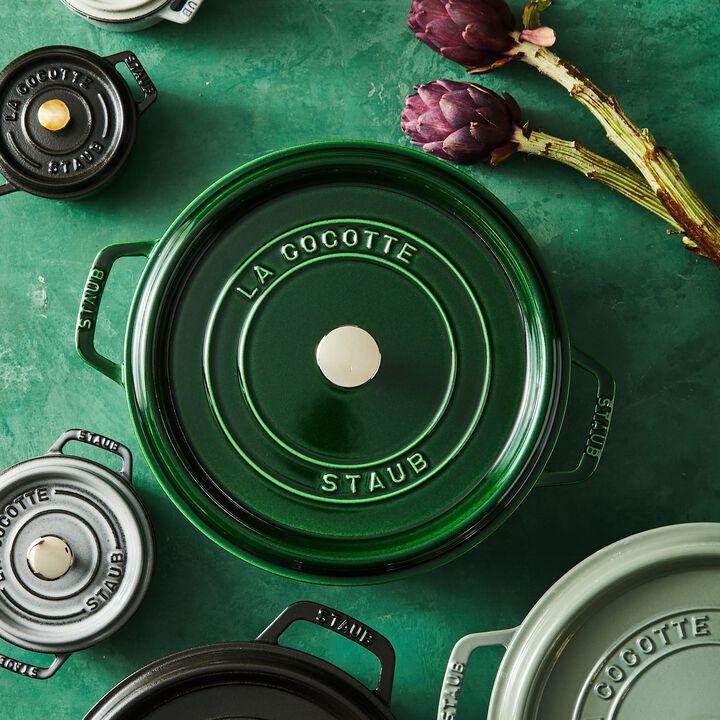
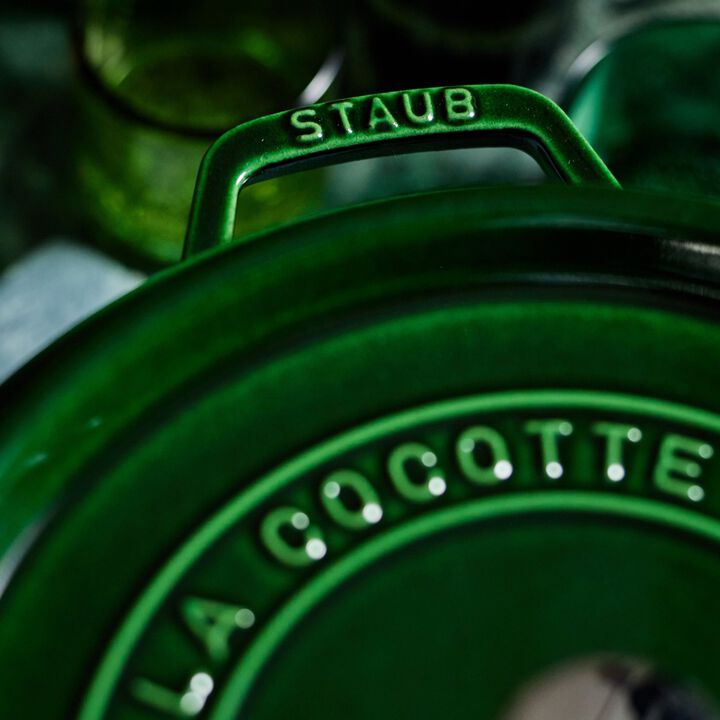
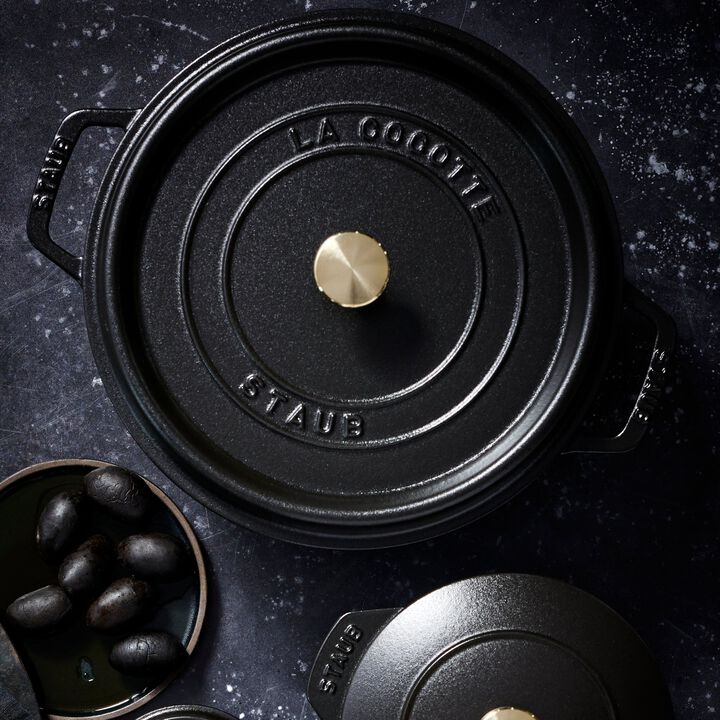
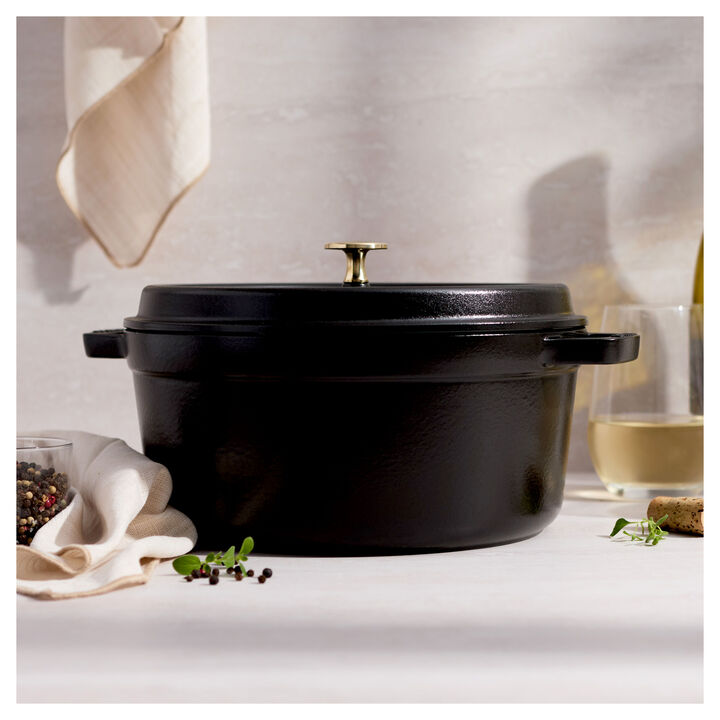
The STAUB cocotte is an absolute all-rounder. Baking, roasting, or cold dishes – the cocotte, available in many colors and sizes, is the perfect companion.

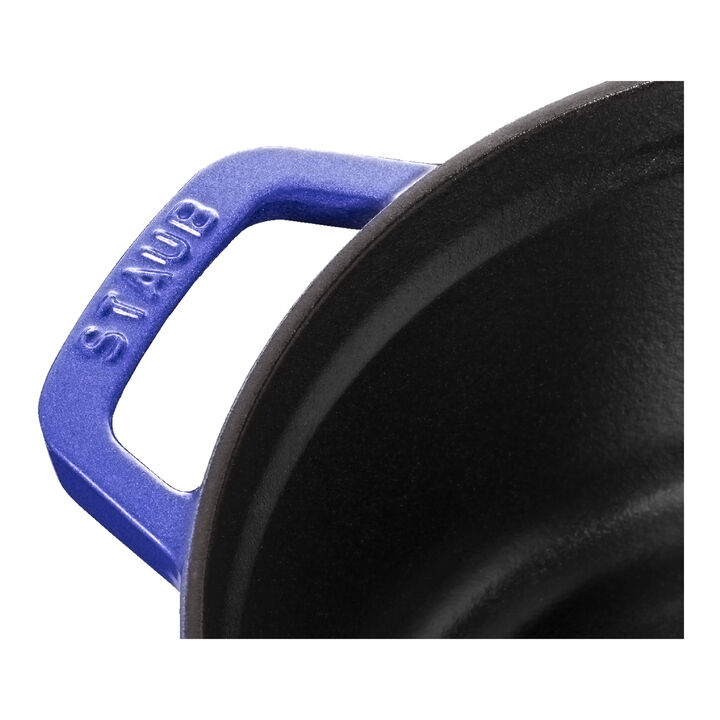
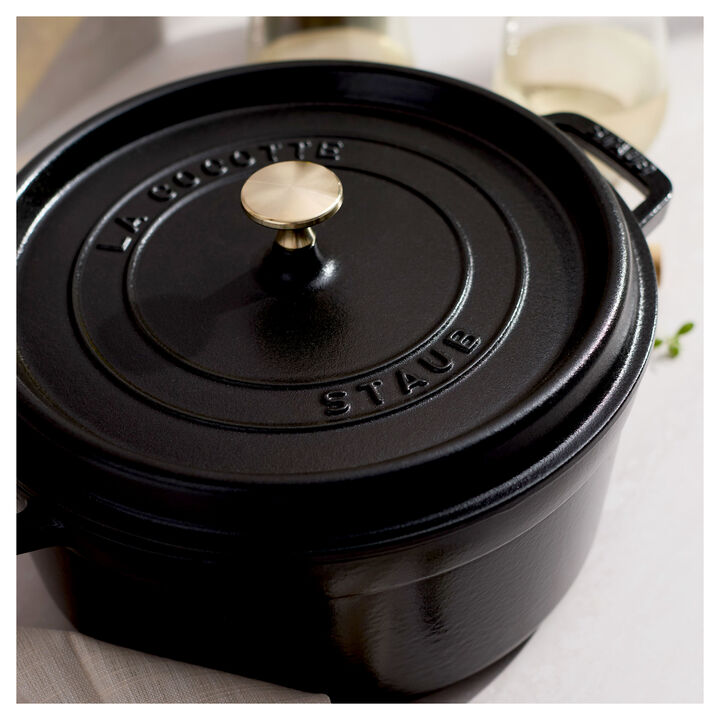
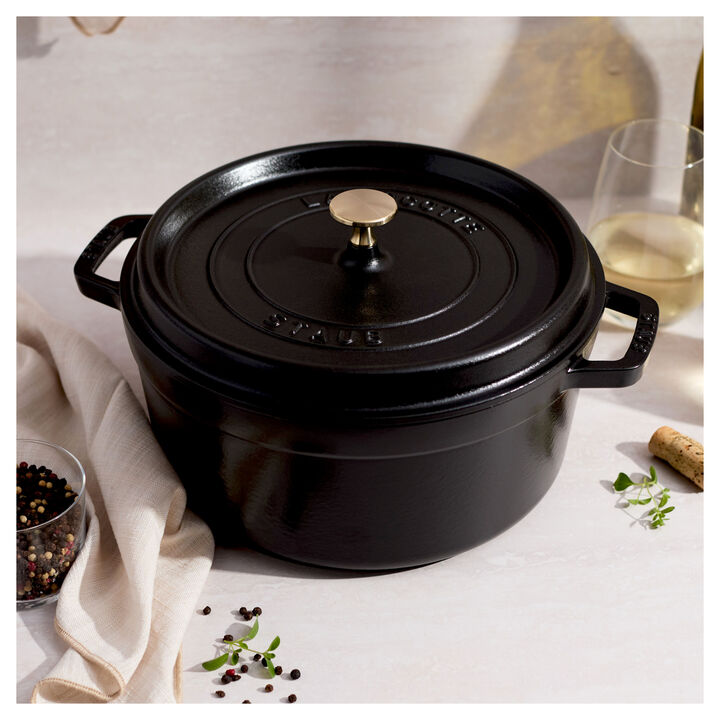
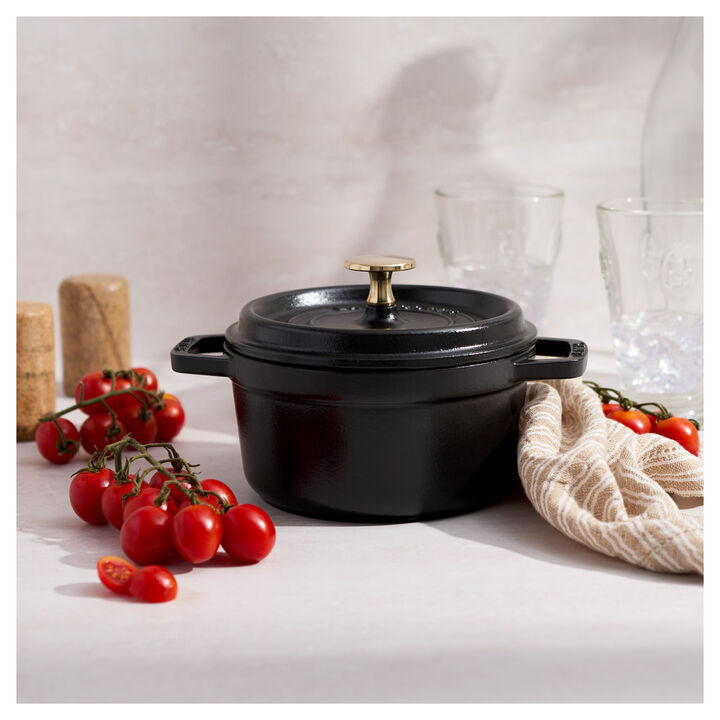
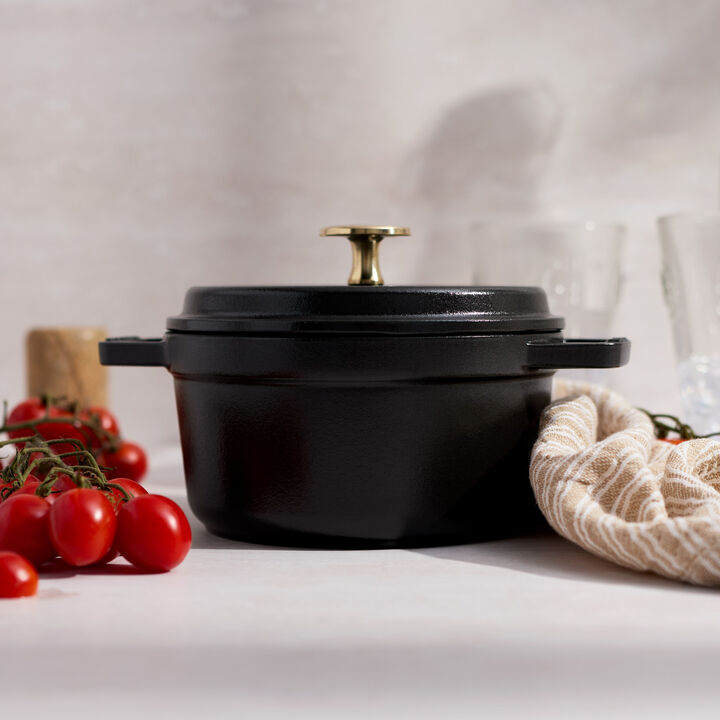
Our cocottes are coated with matte black enamel, which ensures plenty of delicious roasted flavours and tender, juicy dishes.
FILTER BY COLOUR



















EVERYTHING YOU NEED TO KNOW ABOUT THE COCOTTE


Dutch ovens
The French word cocotte means "chicken" and refers to the original purpose of the pots, namely to stew a chicken. However, these versatile roasters are not limited to one dish but are also excellent for stews and baking bread. Dutch ovens feature heavy, tight-fitting lids that trap steam and moisture and can seamlessly transition from stovetop to oven while being ideal for slow-cooking, braising, baking and searing. Their high sides also make them excellent for deep-frying.
The French traditional manufacturer STAUB, a member of the ZWILLING Group since 2008, is known for its products all over the world and is appreciated by hobby and professional chefs alike.
Elaborate production process for the Cocotte with a lot of manual work
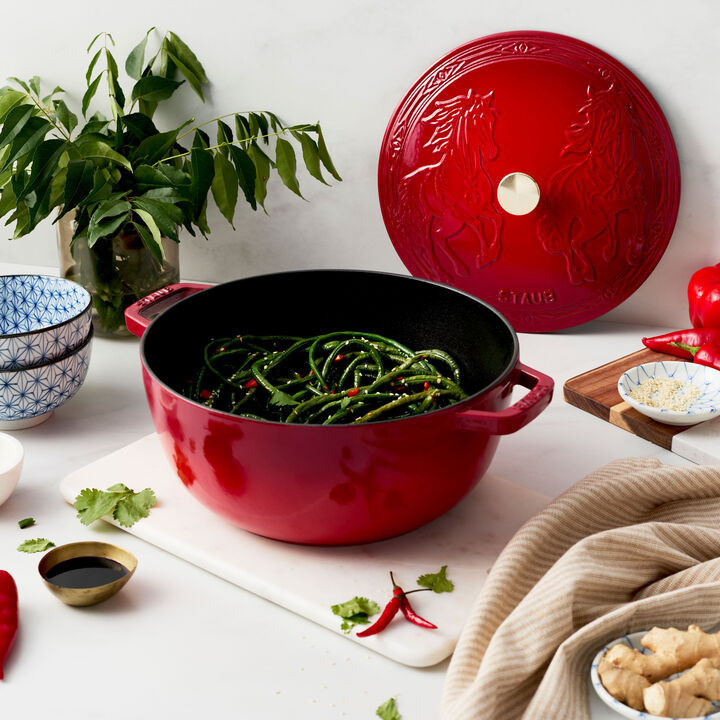
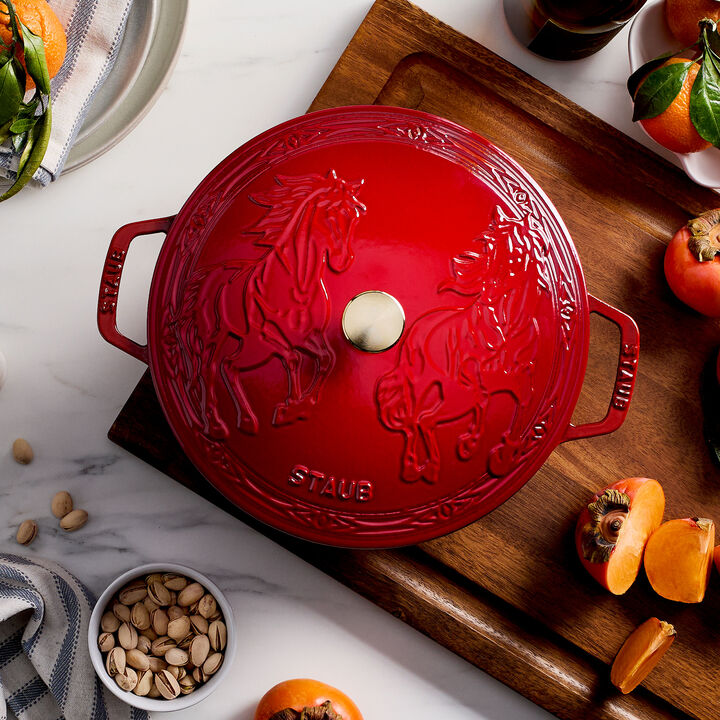
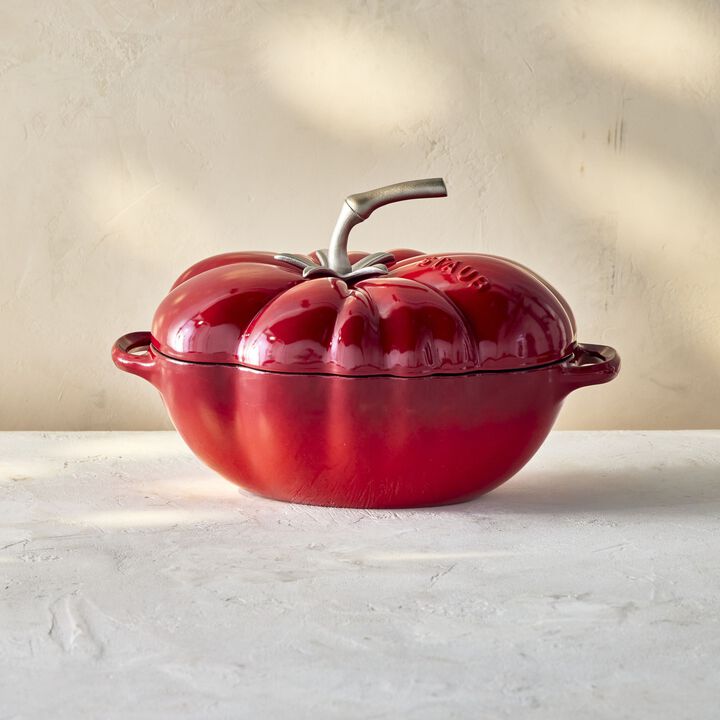
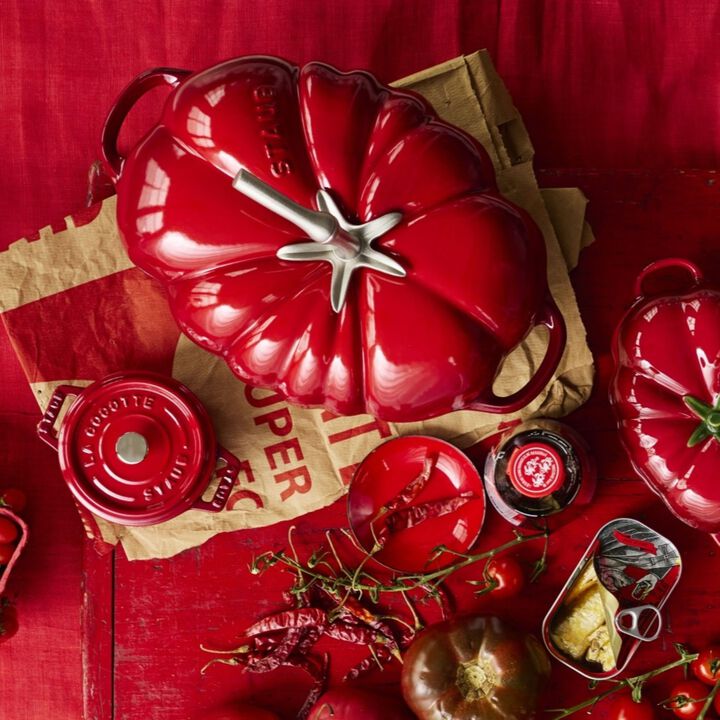
STAUB dutch ovens are made of either refractory ceramic or cast iron with enamel on the inside. The cocottes have a particularly attractive and decorative design, such as the tomato cocotte.
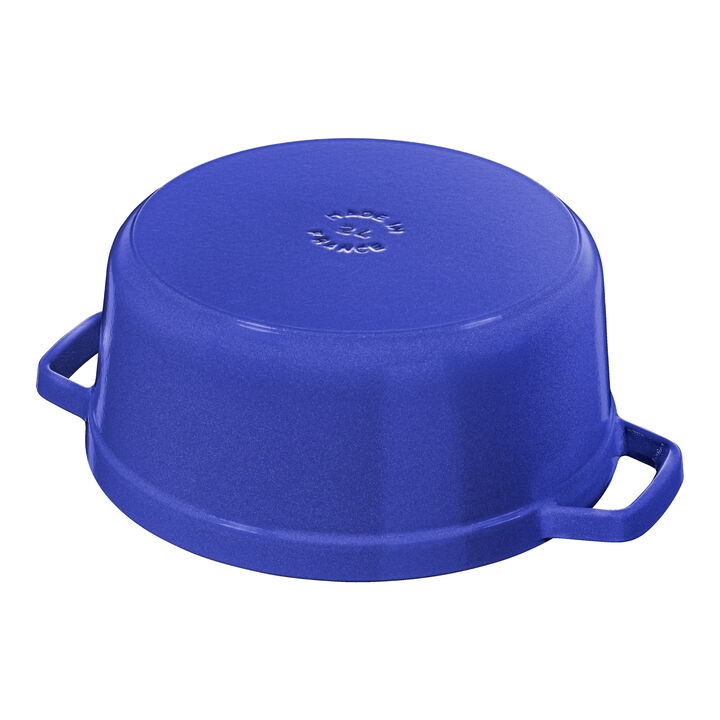
Ceramic roasters are produced by casting, die-casting, or rotation, depending on the desired shape. For a cast-iron casserole, individual, hand-made sand molds are used in case of dust. Before delivery, a thorough manual finishing and quality control is carried out by selected employees with a lot of experience.
The Dutch Oven – a universally applicable casserole
A cast-iron roaster is suitable for all types of stoves - ceramic, gas, electric, or induction - as well as for use in the oven. If you want to prepare meat, it is best to use a cast-iron dutch oven because it gives better results when browning. STAUB dutch ovens have knobs on the inside of the lid where the condensation water collects and falls back onto the food drop by drop. This keeps meat juicy even during longer preparation times, and bread gets a thick, crispy crust.
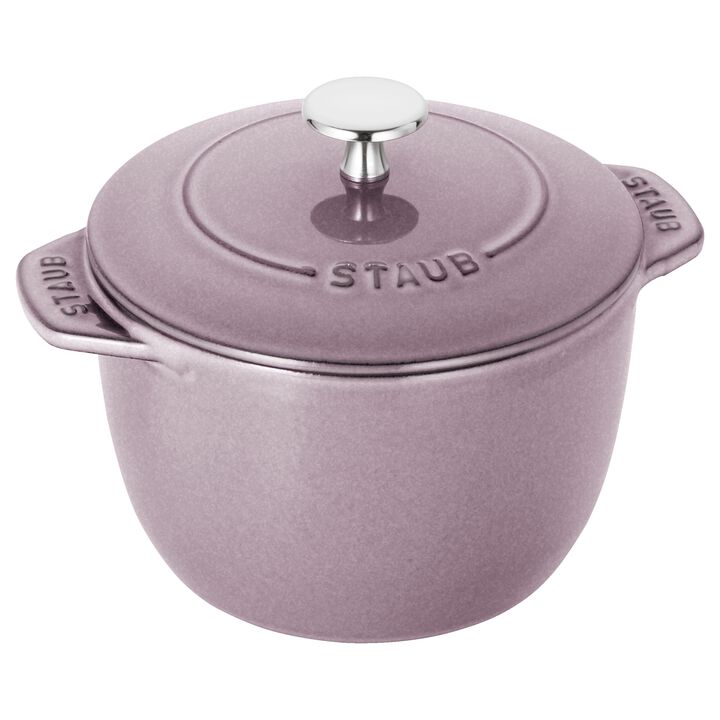
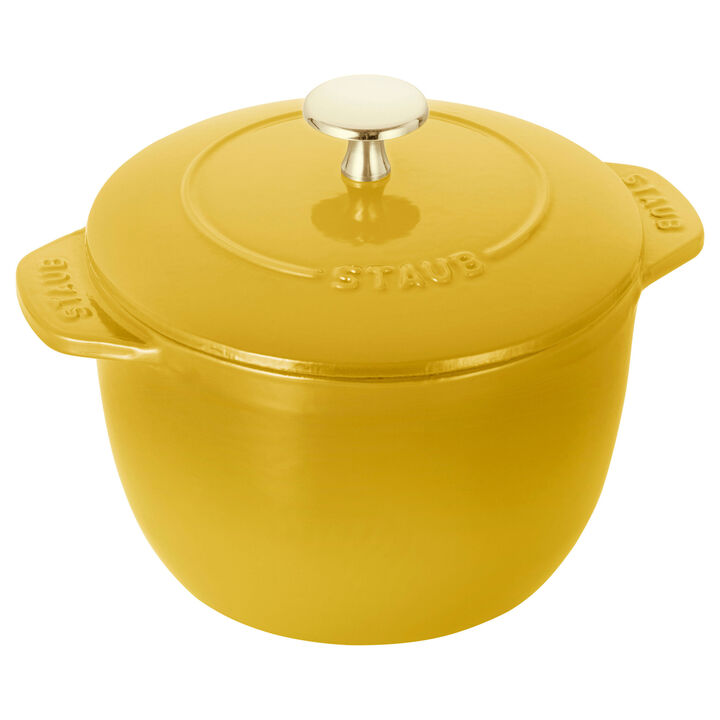
The basic shapes of a cocotte are round or oval. In restaurants, a Mini Cocotte is often used to prepare individual portions and is then also used for serving at the table. Larger sizes are available for whole roasts, poultry, and stews. If you like to eat a lot of fish, you should buy an extra cast iron fish fryer so that the taste is not affected by other uses.
What is the best way to care for, maintain, and clean a dutch oven?
Proper care and maintenance of a Dutch oven are essential to ensure its durability and cooking performance, whether it's made of raw cast iron, enameled cast iron, or ceramic. For raw cast iron Dutch ovens, always clean with a mild dish soap sparingly, rinse, and dry thoroughly to prevent rust. Avoid putting raw cast iron in the dishwasher and never expose a hot Dutch oven to freezing cold water to avoid thermal shock and cracking. Periodic seasoning with oil helps maintain the natural non-stick cooking surface of uncoated cast iron, and enameled surfaces are often a better choice for acidic foods.
Enameled cast iron Dutch ovens do not require seasoning but should be hand-washed with a soft sponge, mild soap, and warm soapy water to preserve the enamel coating. We recommend hand washing to prolong the finish, even when a model is labeled dishwasher safe. Stay clear of abrasive cleaners and metal utensils like metal spoons or knives that can chip the enamel. Always dry completely and store with the lid slightly ajar to allow air circulation and prevent moisture buildup. Avoid sudden temperature changes to prevent thermal shock, such as placing a hot Dutch oven directly into cold water.
Ceramic Dutch ovens are lighter but more fragile, so handle them with care to avoid chipping or cracking. Like enameled cast iron, they should be hand-washed and dried thoroughly.
For all types, using wooden or silicone utensils is recommended to protect the cooking surface and enamel coating from chipping. While some enameled Dutch ovens are dishwasher safe, hand washing is recommended to prolong the life of the enamel. Following these care tips will help your Dutch oven last for many years and maintain its excellent cooking surface and appearance.
Related Categories: Oval Dutch Ovens | Round Dutch Ovens


